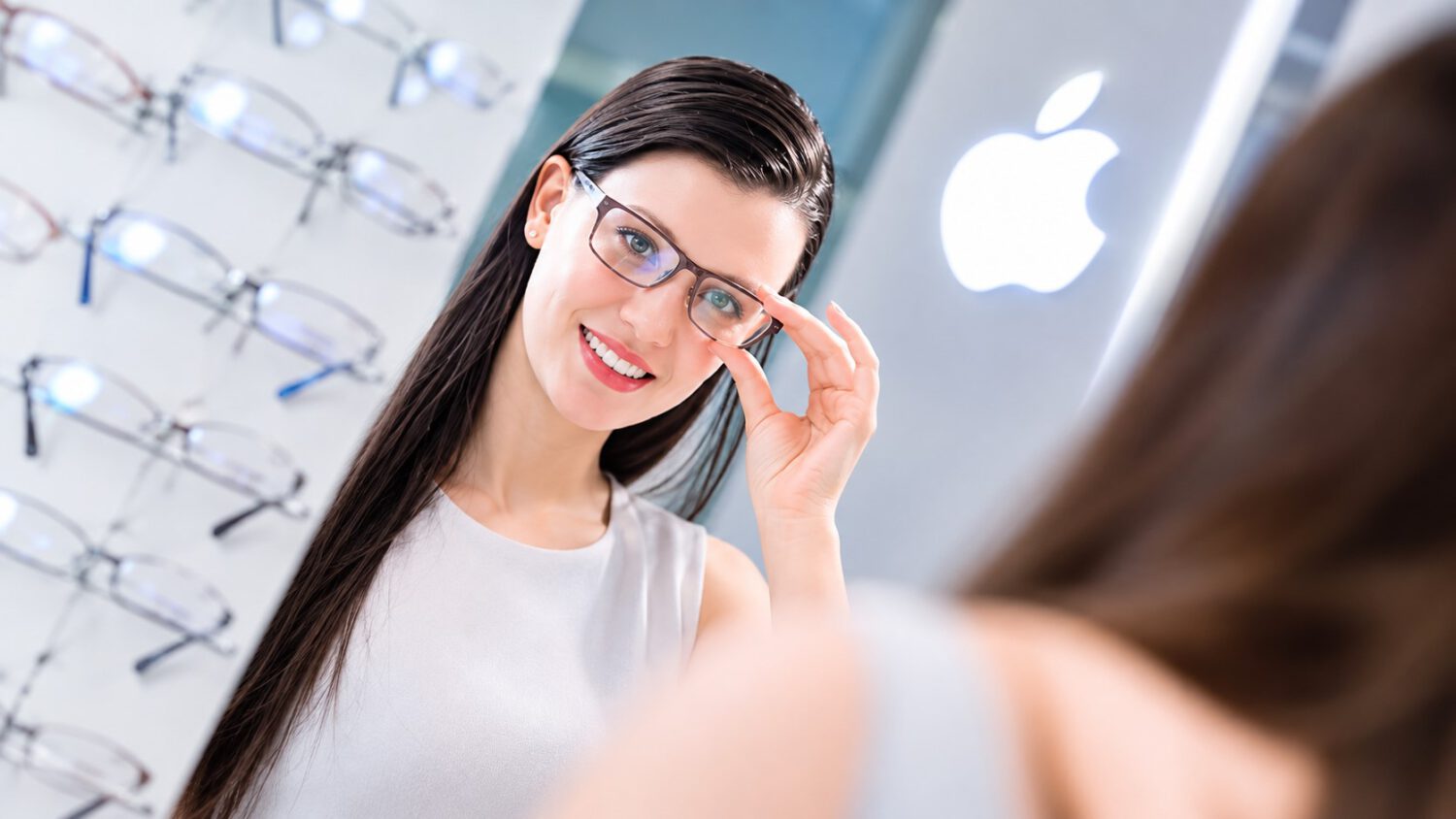
Forget the holographic overlays. Apple’s reported first smart glasses are closer to Meta’s Ray-Bans than to Vision Pro, with no augmented-reality display of any kind.
The glasses, internally code-named N50, are reportedly targeted for an announcement at WWDC in June 2027, with shipments before year-end, according to Gurman. Apple has not publicly confirmed the product, its price, or its launch window.
Cameras, Siri, and a Hands-Free iPhone in Your Frames
Siri, cameras, microphones, and speakers form the entire reported interface.
The interface is Siri-driven, supported by onboard cameras, microphones, and speakers. Reported functions include calls, messages, notifications, music playback, smart-home controls, and directions.
The front-facing camera lets Siri analyze the wearer’s surroundings and answer questions about them. Proposed examples include identifying buildings, translating signs, and suggesting meals based on ingredients visible in a refrigerator.
The Real Bet: Your Existing Apps, No Installation Required
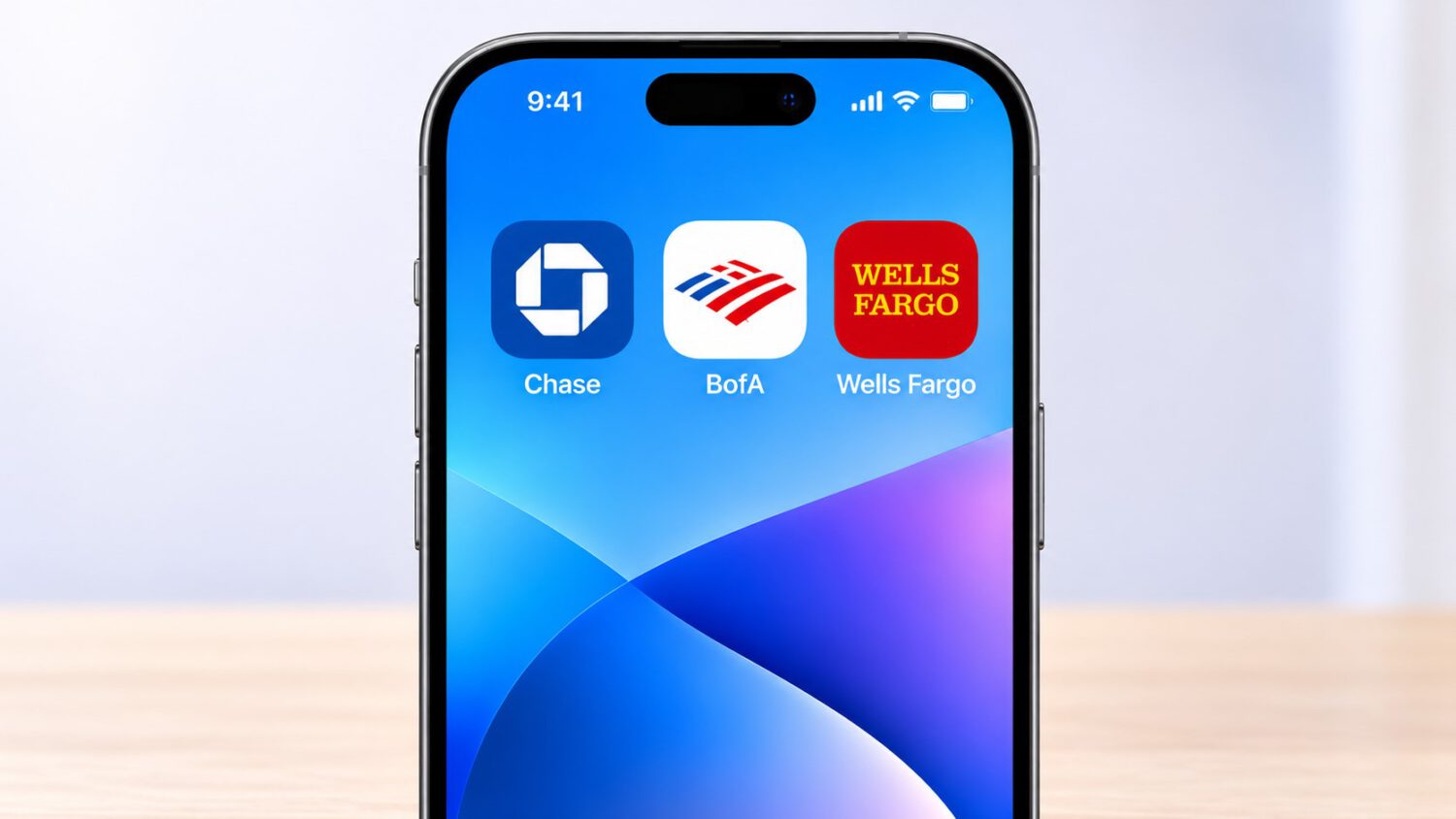
The sharpest reported differentiator is Siri’s ability to act inside iPhone apps without any new installation.
Reported use cases include booking rides, ordering food, and purchasing event tickets through voice commands. Developers would expose selected app capabilities to Siri rather than building separate glasses software.
Apple introduced finer Siri app controls in the iOS 27.3 beta, with its own apps prioritized first and third-party support targeted for 2027.
What the Hardware Actually Looks Like
Prototypes suggest a slim, camera-equipped frame with privacy signaling built in from the start.
Prototypes are reportedly slightly thinner than Meta’s second-generation Ray-Ban smart glasses, with camera openings integrated into the frames rather than protruding housings. A front-facing indicator light signals when the camera is active, an early sign that visible recording cues are a priority.
Internal units reportedly run a reduced version of visionOS 28 on a processor derived from older Apple Watch chips. Test units charge through a small magnetic connector on the left temple arm, though whether that design survives to production remains unconfirmed.
iPhone Required: The Dependency Built Into the Design
The glasses are designed as an iPhone accessory, not a standalone device.
The glasses require a recent iPhone and will not support Android. Third-party software runs on the paired phone, with the frames providing the interface.
Wi-Fi may preserve some functions, such as audio playback, when the iPhone is not immediately nearby. Even so, the glasses are not designed to operate independently.
Software Delays Are the Real Launch Risk
Hardware is reportedly largely finalized; the primary risk is whether Siri can execute reliably.
The primary launch risk, according to reporting by MacObserver, is software and AI execution rather than hardware design. Reported delays in that area could push the schedule past 2027.
Siri’s usefulness will depend on its ability to handle multi-step tasks accurately. Low latency and strong privacy controls are both required for the product to deliver on its reported premise.
A Crowded Finish Line in Apple’s Own Lineup
Meta’s Ray-Bans are the external competitor, but Apple’s own camera-equipped AirPods could complicate the picture.
Direct competition comes from Meta’s Ray-Ban smart glasses. Apple’s reported advantage is transaction depth through apps users already trust, without requiring a new platform.
Camera-equipped AirPods are also reportedly targeted for late 2027, raising questions about overlapping functionality with the glasses. The glasses may hold advantages in battery life and all-day wearability, though no specifications have been confirmed.
Price, battery life, prescription-lens support, camera specifications, and the full list of supported iPhone models all remain unknown.