Nearly two-thirds of electronics Canadians toss are fully functional, according to a University of Waterloo study that should make you question your last phone upgrade. Published in the Journal of Cleaner Production this March, the research surveyed 800 households across nine provinces and found a staggering disconnect between device condition and disposal decisions.
The Upgrade Addiction Problem
Most replacements aren’t driven by device failure, but by consumer choice and marketing pressure.
Only 36% of discarded electronics actually failed. The rest got replaced for upgrades (22%) or minor issues (20%) that could have been fixed. Your smartphone, averaging 4.5 years of potential life, gets replaced every three years—not because it died, but because the latest model dropped or your carrier offered a deal.
Meanwhile, 72% of purchases are brand-new devices, with only 5% choosing second-hand alternatives. That perfectly functional iPhone gathering dust in your drawer? It’s part of a massive waste stream driven more by psychology than necessity.
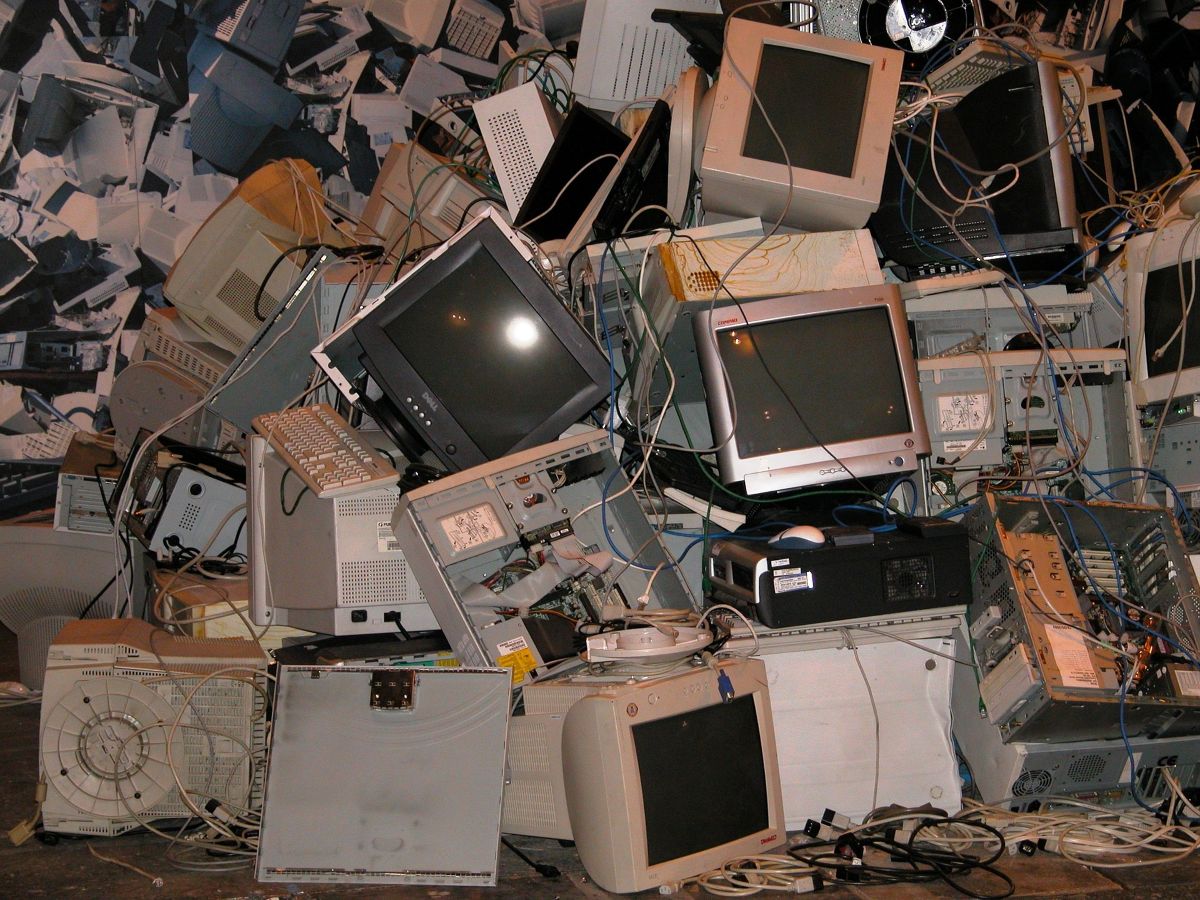
Mountains of Functional Waste
Canada faces 2.3 million tonnes of electronic waste from just seven device categories by 2030.
The numbers are brutal. These seven categories—phones, laptops, desktops, TVs, refrigerators, microwaves, and laundry appliances—will generate waste equivalent to 18 CN Towers over the next six years.
Canada’s e-waste has tripled in two decades, hitting 25.3 kilograms per person in 2020. Yet recycling rates crawl below 20%, meaning most of those working devices end up in landfills.
Expert Reality Check
Researchers say extending device lifespans could dramatically reduce environmental impact.
“If we increased the lifetime… less extraction of mineral resources,” explains Dr. Komal Habib, the study’s lead researcher. Her colleague Dr. Elham Mohammadi advocates for “practical steps, such as supporting repair” to build “a more sustainable future.”
The solution isn’t rocket science—it’s changing how you think about that perfectly good laptop that’s just a bit slow.
Policy Shifts on the Horizon
Provincial programs are expanding, but real change requires consumer behavior shifts.
Provincial Extended Producer Responsibility programs are tightening in 2026, with Alberta imposing $500,000 fines and British Columbia expanding covered electronics. Ontario’s Bill 91 pushes right-to-repair by mandating parts availability and repair manuals.
Still, policy can only go so far when Instagram’s latest tech influencer makes your two-year-old phone feel ancient. The math is simple: your “outdated” electronics probably work better than you think.