You can preorder the AirPods Max 2 on March 25, but half its headline features will remain locked until iOS 26.4 arrives. Apple’s $549 over-ear headphones depend on software updates to enable Live Translation, Adaptive Audio, and Digital Crown camera controls—accidentally revealing the company’s precise release choreography. It’s like buying a Tesla that can’t self-park until the next software patch.
The H2 Chip Demands More Than Hardware
Advanced computational audio requires ecosystem-wide coordination.
The H2 chip powering the Max 2 delivers 1.5x better noise cancellation and studio-quality recording, but its smartest tricks need iOS 26.4, iPadOS 26.4, or macOS Tahoe 26.4 to function. Conversation Awareness automatically ducks your music when someone talks nearby. Voice Isolation cleans up your microphone input for clearer calls.
Live Translation handles real-time conversations across languages. These aren’t simple firmware updates—they require deep integration across Apple’s entire software stack.
April Launch Window Reveals Software Timeline
Beta schedules and hardware availability rarely align by accident.
Apple’s March 16 announcement timing wasn’t random. The company held back public iOS 26.4 betas until after the Max 2 reveal, with beta 4 currently in developer hands. Industry sources indicate iOS 26.4 will drop by early April—possibly late March—ensuring the software launches alongside the headphones’ general availability.
This coordination prevents the embarrassment of selling premium hardware with disabled features.
Purchase Timing Actually Matters Now
Early adopters might wait weeks for full functionality.
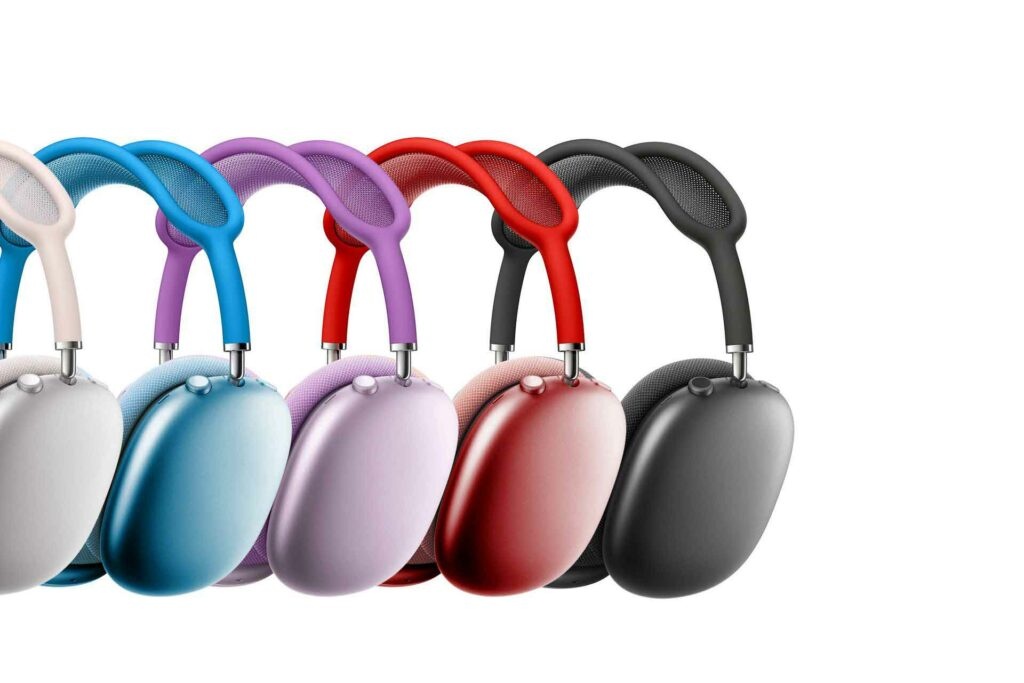
The Max 2 maintains the original’s $549 price while adding content creator features that turn your headphones into professional recording equipment. Five color options return:
- Midnight
- Starlight
- Orange
- Purple
- Blue
But if you’re buying for Live Translation or Digital Crown camera controls, confirm your devices support the latest software first. Apple’s ecosystem integration remains its strongest competitive advantage—when everything works together.
This hardware-software dependency dance reveals Apple’s meticulous release orchestration. The company learned from past launches where killer features arrived months after hardware, leaving early adopters feeling like beta testers with expensive paperweights.