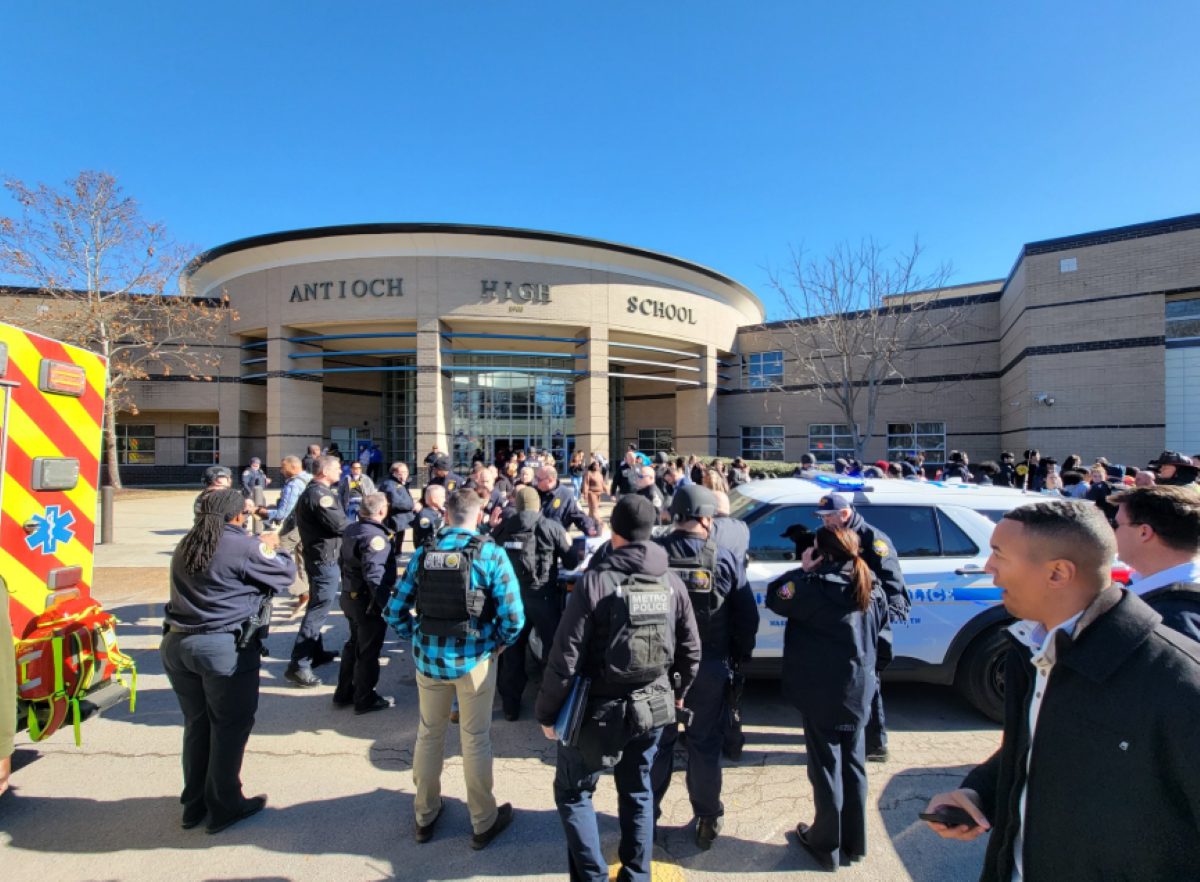
You’d think a million-dollar AI system designed to detect guns “before a shot is fired” would actually spot a shooter’s weapon. Yet Omnilert’s computer vision technology, installed across Metro Nashville schools after a hefty 2023 contract, missed the handgun during January’s Antioch High School shooting entirely. Now a wounded student is suing both Omnilert and System Integrations, claiming the companies oversold capabilities that crumbled under real-world pressure.
Marketing Promises vs. Harsh Reality
The lawsuit reveals a stark disconnect between Omnilert’s bold marketing claims and actual performance when lives were at stake.
Court documents allege Omnilert marketed its system as delivering “unparalleled reliability“ and the ability to save lives by catching firearms before violence erupts. The company’s website promised detection capabilities that would alert security teams the moment a weapon appeared on camera.
After Antioch, however, those same promotional materials reportedly changed. The lawsuit claims phrases like “saves lives” and “unparalleled reliability” disappeared, replaced with careful disclaimers about false alerts and visibility limitations that somehow didn’t make it into the original sales pitch to Nashville schools.
The Visibility Defense
Company executives blame camera angles rather than AI failures, but that explanation raises uncomfortable questions about system design.
Omnilert CEO Dave Fraser told NBC News the weapon simply wasn’t visible from the camera’s perspective, framing this as a positioning issue rather than detection failure. An MNPS spokesperson echoed that defense, insisting the system “does work” but won’t function when weapons can’t be seen.
Fair enough—except this sounds like admitting your AI security system only works under perfect conditions. You might as well install a scarecrow and claim it prevents crime when criminals aren’t looking.
Pattern of AI Security Overselling
The Antioch failure fits a troubling trend of surveillance companies making promises their technology can’t keep.
This isn’t just about one malfunctioning system. The FTC recently targeted Evolv for allegedly deceptive marketing of weapon scanners that functioned more like basic metal detectors than sophisticated AI tools. Attorney Chris Smith, representing the injured student, argues AI gun detection simply isn’t “ready for prime time.”
Meanwhile, education security expert David Riedman suggests schools might better spend those millions on counselors and intervention programs—solutions that don’t depend on perfect camera angles to save lives.
School districts nationwide now face a sobering question: How many expensive AI promises are actually delivering the protection they advertise? When marketing materials reportedly disappear after tragedies, you’ve got your answer.