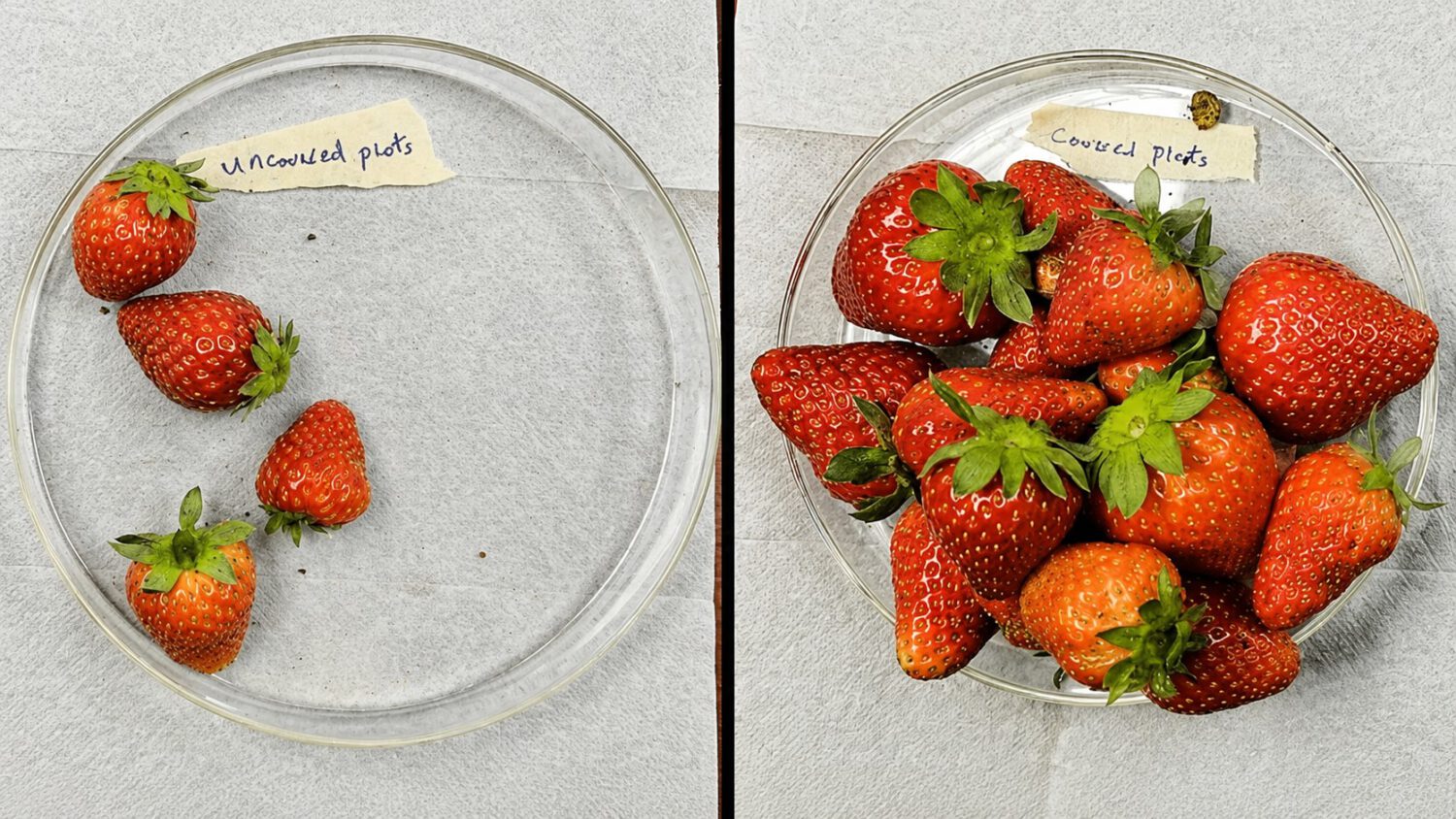
Covered strawberry plants produced up to 3.56 times more harvestable fruit than uncovered plants in controlled tunnel field tests. That figure comes from a study published in the journal Agriculture on Sept. 24, 2026, by researchers at North Carolina State University. Both fruit count and fruit weight were significantly higher under the textile cover. The result is notable; it is also specific to tunnel conditions, not commercial farms.
From Military Gear to Strawberry Fields
Plant Armor began as a concept for more comfortable, insect-resistant military garments before NC State researchers redirected it toward crops.
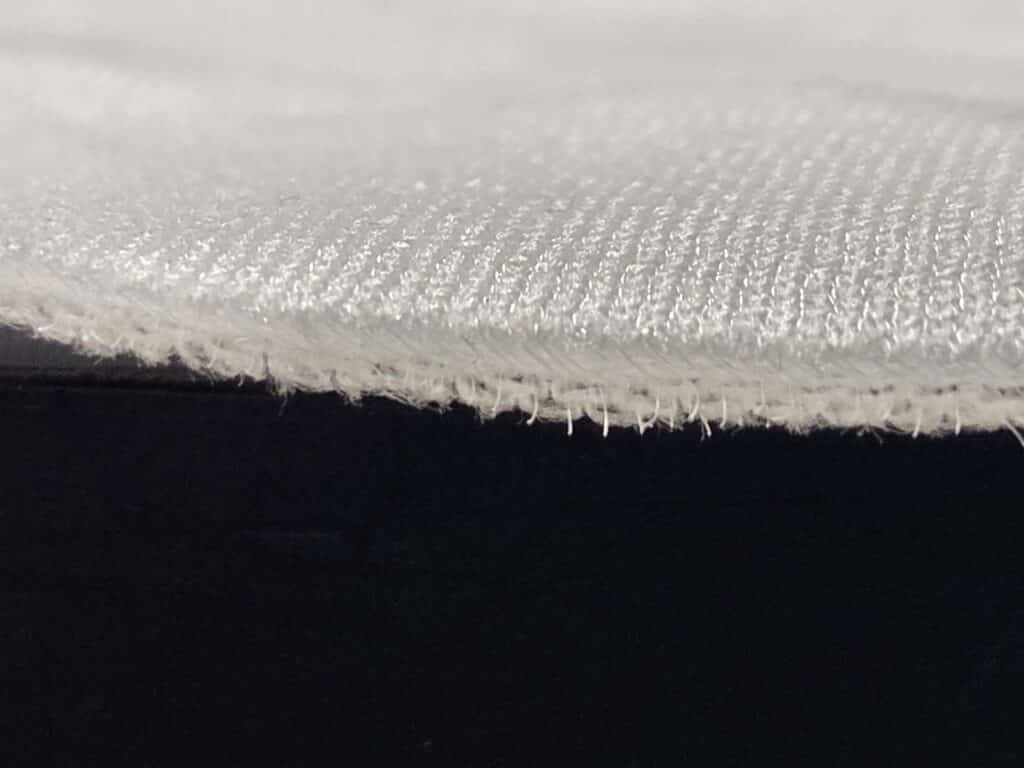
The fabric is a knitted, three-dimensional porous textile developed across three NC State colleges: Natural Resources, Textiles, and Agriculture and Life Sciences. Its layered structure is designed to block insects while remaining open to sunlight, rainfall, and airflow. That combination of properties is what makes the agricultural application worth watching.
What the Fabric Actually Does to a Plant
The cover consistently raised temperatures beneath it, which researchers associate with faster progress toward fruiting.
Warmer conditions under the textile appear to speed the heat units plants need before fruiting begins. Leaf and stem growth was unchanged between covered and uncovered plants, suggesting the cover may have redirected energy toward fruit rather than vegetative tissue, though researchers note that inference goes beyond what was directly measured. The fabric also appeared to allow adequate light through despite looking opaque, and covered plots showed no significant difference in relative humidity compared to uncovered ones.
Aphids Kept Out, At Least in the Lab
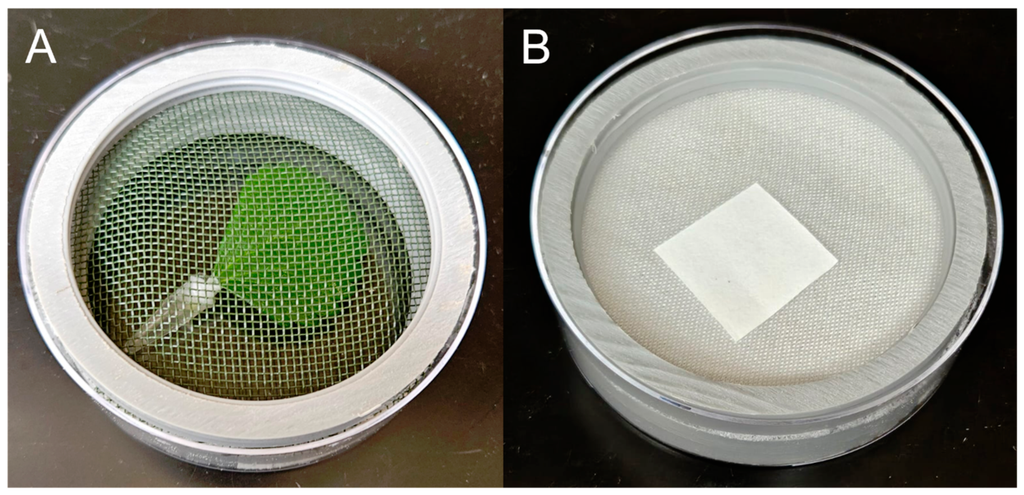
Laboratory bioassays showed absolute aphid exclusion under the three-dimensional porous structure.
That result encourages growers who rely on insecticides to manage aphid pressure. The scope is narrow: controlled lab conditions, one pest category. Field-scale pest control performance across the range of insects that damage strawberry crops has not yet been established, and the potential to reduce pesticide applications still needs to be demonstrated at commercial scale.
The Limits of Tunnel Trials
These tests happened in tunnels, not on working farms, and the researchers are direct about what still needs to be proven.
Results may shift depending on strawberry cultivar, local climate, pest populations, and how the cover is installed and managed. The study did not quantify any reduction in irrigation use, despite water savings appearing in the broader discussion around the technology. On-farm testing across different geographic locations and crop types is the stated next step.
Patent Held, License Issued, Commercial Questions Pending
NC State holds U.S. Patent No. 11,582,968 B2 on the Plant Armor Gen 2 fabric and has licensed it for commercial development.
The patent issued Feb. 21, 2023. Funding came from the North Carolina Agricultural Foundation and the USDA’s National Institute of Food and Agriculture through a Hatch Research Capacity Fund award. Whether the yield gains survive outside tunnel conditions, and whether the fabric’s cost, durability, and labor demands make commercial sense, are the open questions growers will need answered before adoption becomes realistic.
What Comes Next
The researchers have identified on-farm trials across multiple locations and crop types as the work still ahead.
Those trials will help determine whether the 3.56-fold figure holds in real growing conditions with real pest pressures and real farm logistics. Positive results would shorten the path from military textile lab to mainstream crop protection. Tunnel data alone cannot answer that question.