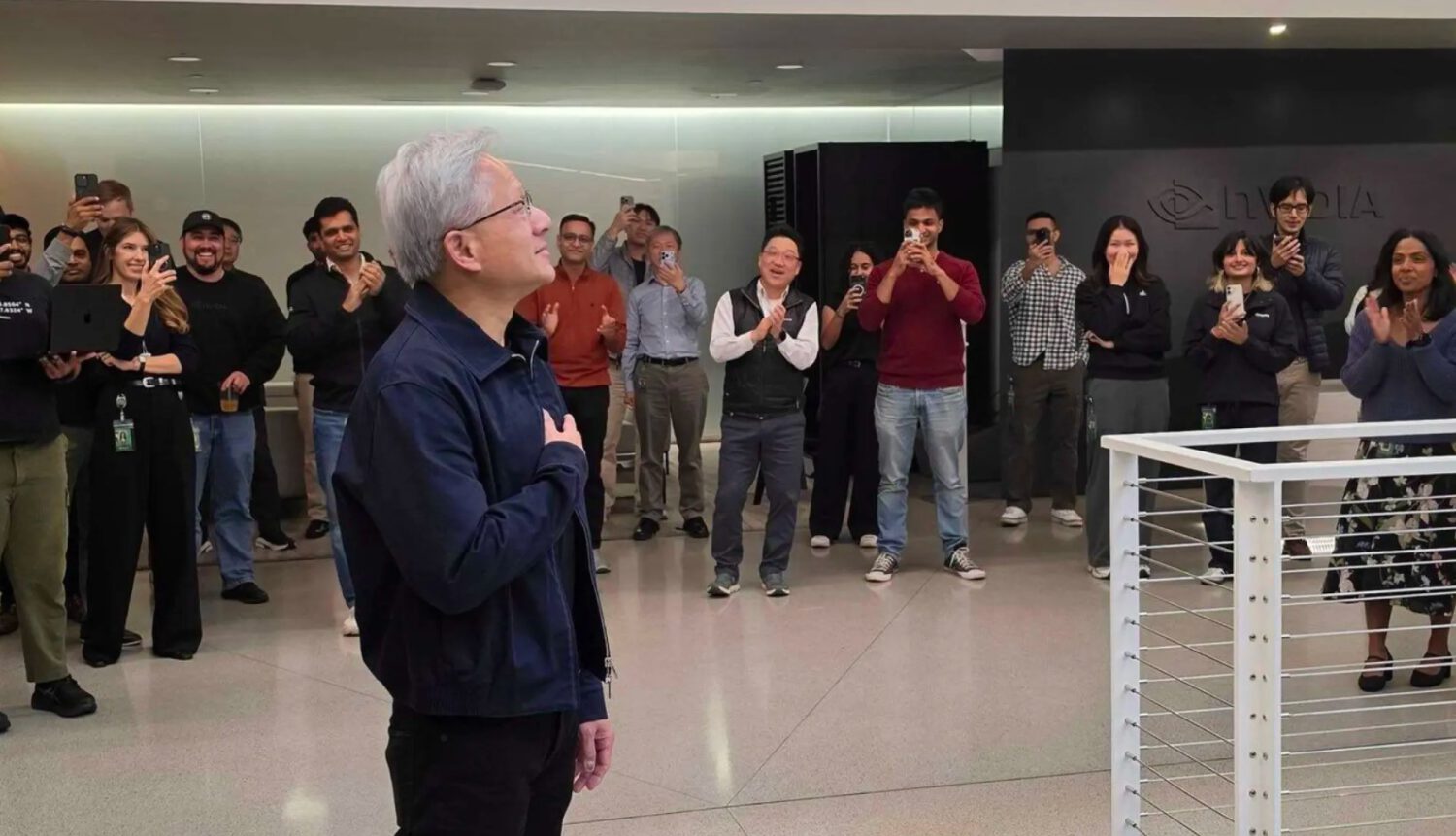
Less than two weeks after his resignation rattled Nvidia and sent its shares sliding, Jensen Huang stood before company employees and made the case that the company does not need a formal succession plan. Huang argued that Nvidia already has multiple capable leaders running different parts of the business. That account comes from people present at the meeting who spoke anonymously to CNBC; Nvidia has not independently confirmed the remarks.
His reasoning, as reported, was that a named successor would impose unnecessary hierarchy on a structure that already works. That framing positions succession planning less as a resilience mechanism and more as an organizational problem waiting to happen.
Governance Experts See It Differently
The argument runs counter to concerns that analysts and governance observers raised publicly after Huang’s resignation.
Reuters reported that experts questioned whether Nvidia’s board had prepared any credible leadership transition for a company whose strategy and identity are closely tied to its co-founder. Those concerns point to a distinction Huang’s reported remarks did not address. A company can avoid naming a public heir apparent while still maintaining a confidential, documented process for replacing a CEO who resigns or loses the board’s confidence.
“I Hurt All of You”
Alongside the governance argument, Huang struck a remorseful tone with employees.
He told staff, “I hurt all of you,” according to a person present who spoke anonymously to CNBC. Nvidia has not independently confirmed that quote or other details from the meeting. Huang reportedly described the gathering as the second-hardest of his life, after a conversation with his wife, and told staff he is undergoing therapy.
The Board’s Unanimous Call
Nvidia’s board voted unanimously on Nov. 23 to reinstate Huang as president, chief executive officer, and board member.
Nvidia filed an official statement with the SEC. It reads: “The Board of Directors voted unanimously to reinstate Mr. Huang following a series of discussions and meetings with Mr. Huang, after which the Board was satisfied with respect to Mr. Huang’s candor and ability to lead NVIDIA.” The board also stated that it received input from senior U.S. government officials and concluded that Huang’s reinstatement posed no national-security risk. President Donald Trump publicly said he spoke with the board and supported Huang’s return.
Kress Holds Her Position
CFO Colette Kress, who served as interim CEO during Huang’s absence, is expected to remain in her role.
According to CNBC’s reporting, Huang thanked Colette Kress at the employee meeting for leading the company while he was away. Kress’s continued tenure as chief financial officer was confirmed in Nvidia’s SEC filing.
Markets Reacted, Then Reconsidered
Nvidia shares surged more than 30% on the day of the reinstatement announcement but declined the following day without fully recovering the losses tied to the original resignation.
The rally did not erase the damage recorded after Huang stepped down. That gap points to the unresolved question for investors: whether Nvidia can demonstrate that its oversight structures and leadership continuity extend meaningfully beyond its co-founder. The board’s unanimous vote answered one question while leaving that larger one open.