In March 2026, U.S. prosecutors charged three individuals associated with Super Micro Computer with allegedly conspiring to route advanced AI servers to Chinese end users in violation of export controls. The defendants are Yih-Shyan “Wally” Liaw, Super Micro’s co-founder and senior vice president; Ruei-Tsan “Steven” Chang, a sales manager; and contractor Ting-Wei “Willy” Sun. According to court filings, the alleged scheme involved roughly $2.5 billion in servers ordered between 2024 and 2025. At least $510 million in equipment was allegedly diverted to China after assembly.
Prosecutors allege the conspirators used Southeast Asian intermediaries, false paperwork, and concealment methods to move the hardware past export restrictions. Liaw and Sun were arrested; Chang remained a fugitive at the time of reporting. All three have been charged, not convicted.
What Super Micro Builds, and Why Nvidia’s Chips Matter Here
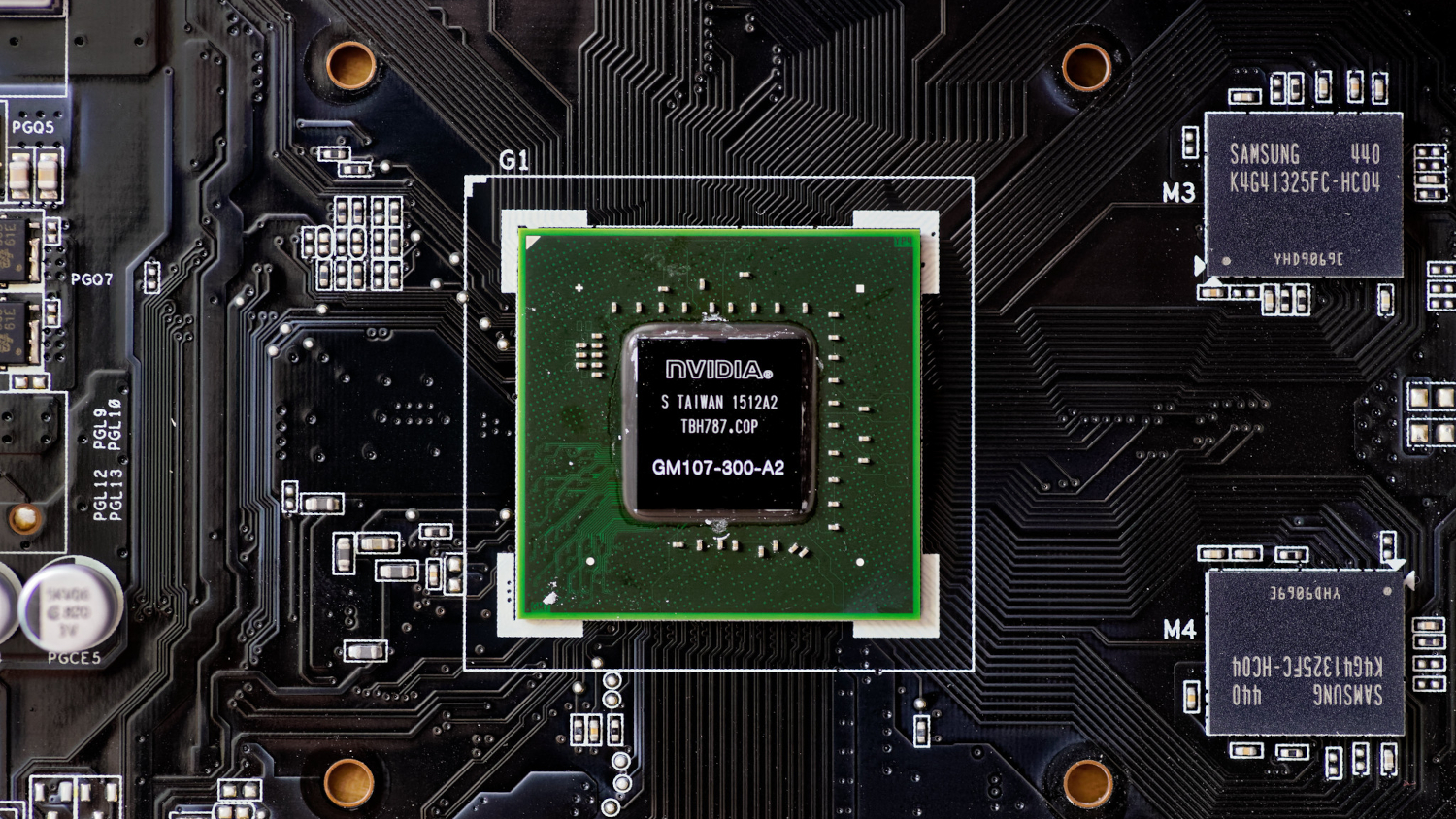
Super Micro’s servers incorporate Nvidia GPUs, the same hardware at the center of U.S. export enforcement.
Super Micro designs and manufactures servers that house Nvidia graphics-processing units, chips widely used in commercial AI systems. That relationship places Super Micro inside the supply chain that U.S. authorities are scrutinizing as they enforce restrictions on advanced AI hardware exports to China. Super Micro said it was cooperating with the investigation and was not named as a defendant in the federal indictment.
A Shareholder Lawsuit Names a Former Executive
Civil plaintiffs allege Cenly Chen could not have been unaware of the allegedly illicit sales.
Cenly Chen, formerly Super Micro’s chief growth officer, has not been criminally charged and does not appear as a defendant in the federal indictment. A shareholder complaint, however, alleges that she managed the company’s acquisition of Nvidia GPUs and controlled how those GPUs were allocated to customers. Plaintiffs in that civil lawsuit alleged there was “no way Cenly Chen lacked knowledge of [SMCI’s] illicit sales,” according to reporting by short-seller Muddy Waters. That allegation is a claim in civil litigation; it is not a finding of fact or liability.
Super Micro Disputes the Characterization
The company says Chen did not manage the Nvidia relationship or decide GPU distribution.
Super Micro pushed back directly on the shareholder complaint’s description of Chen’s role. The company stated that Chen did not manage its relationship with Nvidia and did not determine how Nvidia GPUs were distributed among customers. That denial should be weighed alongside the shareholder allegations; neither the complaint’s assertions nor the company’s rebuttal have been tested in court.
A Short Seller Raises a Question About an Nvidia Connection
Muddy Waters identified photographs linking a woman to a senior Nvidia executive, but the identification remains unverified.
Muddy Waters, a short-selling firm with a stated financial interest in Nvidia’s share price declining, published a report that included photographs of a woman identified in some image tags as “Cenly Puri.” Those photographs showed the woman alongside Ajay “Jay” Puri, formerly Nvidia’s executive vice president of worldwide field operations. Muddy Waters reported that Puri and Chen are married and asked whether the photographed woman is the same person as the former Super Micro executive named in the shareholder lawsuit.
That identification has not been independently established. Muddy Waters’ claims should be read with its financial interest in mind; the firm benefits if Nvidia’s stock falls. Attribution to that source does not confirm the underlying facts.
What the Evidence Does and Does Not Show
Neither Chen nor Puri has been named in the federal criminal case.
Chen has not been indicted or accused of criminal conduct by any government authority in the available reporting. Puri has not been named as a defendant or accused of criminal conduct in the available material. The indictment similarly does not name Nvidia as a defendant.
The central factual question raised by Muddy Waters remains unresolved in the available reporting. That question is whether the woman photographed with Puri is the same Cenly Chen named in the Super Micro litigation. Contested identity claims and unproven civil allegations are not substitutes for established evidence.
Super Micro Addresses the Investigation
The company says it has taken action regarding the charged individuals and is cooperating with authorities.
Super Micro confirmed that the three criminally charged individuals were associated with the company and said it had taken employment or board-related action concerning them. The company described itself as cooperating with the ongoing investigation. Super Micro has not been named as a criminal defendant.
Wider Scrutiny of Nvidia’s Partner Network
The case adds pressure on Nvidia as U.S. authorities tighten AI hardware export enforcement.
The indictment and the subsequent civil and short-seller attention arrive as U.S. authorities are actively enforcing restrictions on exporting advanced AI hardware to China. Nvidia’s GPUs sit at the center of that enforcement environment. The company’s relationships with server partners and customers are drawing increased scrutiny as a result, though the available reporting does not establish that Nvidia or any of its executives participated in the alleged smuggling scheme.