Bloomberg News, cited by Reuters, reports that SpaceX and Tesla Robotaxi could announce a merger as early as December 2026, though discussions could slip into early 2027. Neither company commented on the report.
Whatever comes in December would not necessarily mean a closed deal. Any announcement could represent agreed terms or simply confirmation that negotiations have moved forward; those remain scenarios, not established facts.
How the Talks Became Official
Musk called the idea sound in October 2026 but acknowledged he cannot sit at the negotiating table.
Musk said in October 2026 that a merger was “a good idea” and confirmed that independent special committees at both companies were examining a potential combination. He acknowledged his conflicts of interest and said he had been excluded from the committee discussions as a result.
That exclusion has limits. SpaceX has separately disclosed that Musk’s approval would ultimately be required as its controlling shareholder.
What Would Need to Happen
Multiple layers of approval stand between any announcement and a completed transaction.
A formal transaction would require approval from both special committees, both full boards, and Musk as SpaceX’s controlling shareholder. Musk has also said both sets of shareholders would need to support a merger.
Musk has warned publicly that the merger could ultimately fail to happen. No transaction terms have been agreed.
The Strategic Case Musk Is Making
Musk sees the two companies as naturally complementary across several technology domains.
Musk has cited AI software, chip design, robotics, satellite connectivity, and space infrastructure as the rationale for combining the two companies. A merger would consolidate his electric vehicle, autonomous systems, humanoid robotics, energy, and commercial launch businesses under one corporate structure.
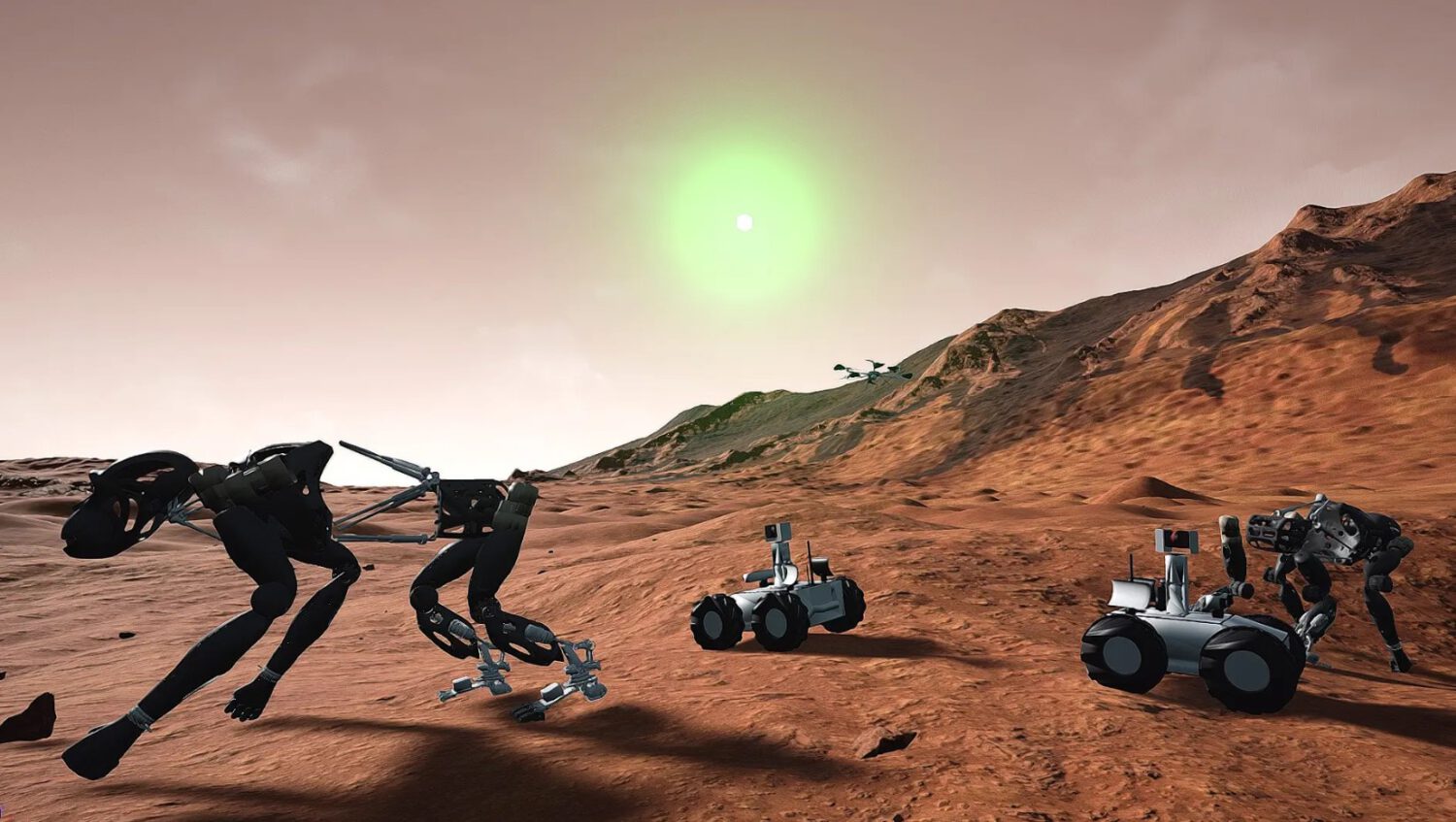
Tesla and SpaceX are already pursuing Terafab, a planned chip-manufacturing project designed to support Tesla’s autonomous vehicles and Optimus robots alongside SpaceX’s AI and data-center operations.
The $3.5 Trillion Number
Analysts have put a rough combined valuation on the two companies, but no transaction price has been set.
Analysts have estimated the combined company could be valued at roughly $3.5 trillion. That figure reflects current standalone valuations and is not an agreed transaction price.
What the Deal Could Mean for Musk’s Control
Estimates suggest Musk’s voting power in a combined company could rise substantially, but the final structure is undetermined.
Musk currently owns nearly one-fifth of Tesla and just under half of SpaceX, according to Reuters. SpaceX operates under a high-vote share structure. Under that framework, analysts estimate a SpaceX acquisition of Tesla could give Musk approximately 56% voting power in the combined entity.
Those figures depend entirely on the final transaction structure, share exchange ratio, and voting rights design. They should be read as directional estimates, not settled outcomes.
The Conflict at the Center
Musk is simultaneously excluded from committee talks and required to approve any final deal.
Musk is excluded from special committee deliberations because he is a conflicted party on both sides of the potential transaction. At the same time, SpaceX has disclosed that his approval as controlling shareholder is required for any deal to proceed.
For Tesla shareholders, the related-party nature of the transaction places particular weight on the independence of committee review and the credibility of any valuation analysis.
Regulatory Terrain
Defense contracts, China exposure, and antitrust questions each represent potential approval complications.
A deal would face scrutiny on multiple fronts. SpaceX holds U.S. defense contracts, and Tesla carries significant exposure to China. National security reviews, foreign investment considerations, and antitrust analysis could each extend or complicate the approval timeline.
Talks are confirmed and no terms have been agreed. The December window is one scenario among several, not a commitment from either company.