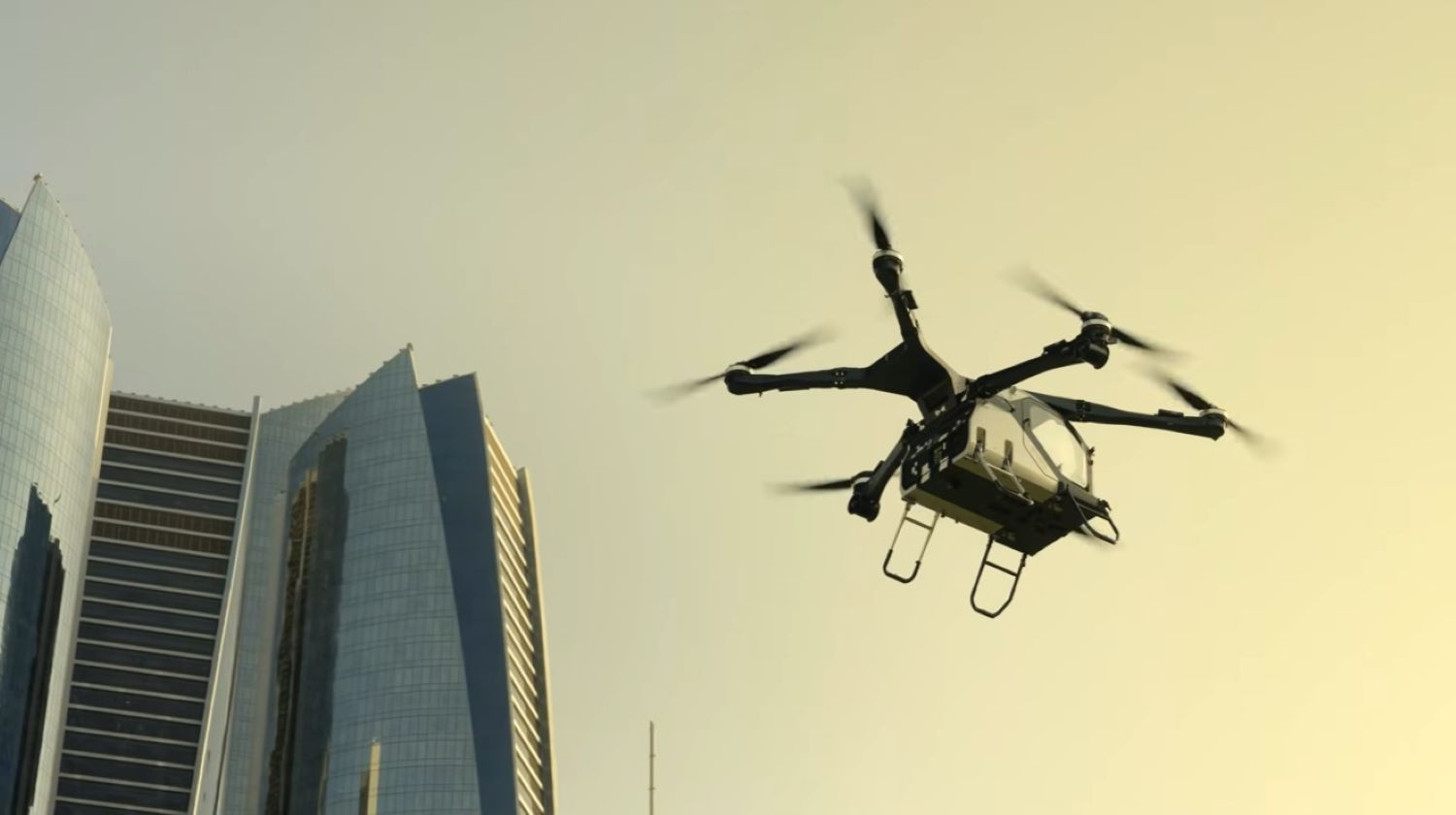
XPeng CEO Deli Zhao announced at Web Summit Lisbon that the company’s two-seat aircraft could reach recreational users and emergency services in China by the second half of 2027. Before the mental image of commuters lifting off from gridlocked highways takes hold, some clarification is due.
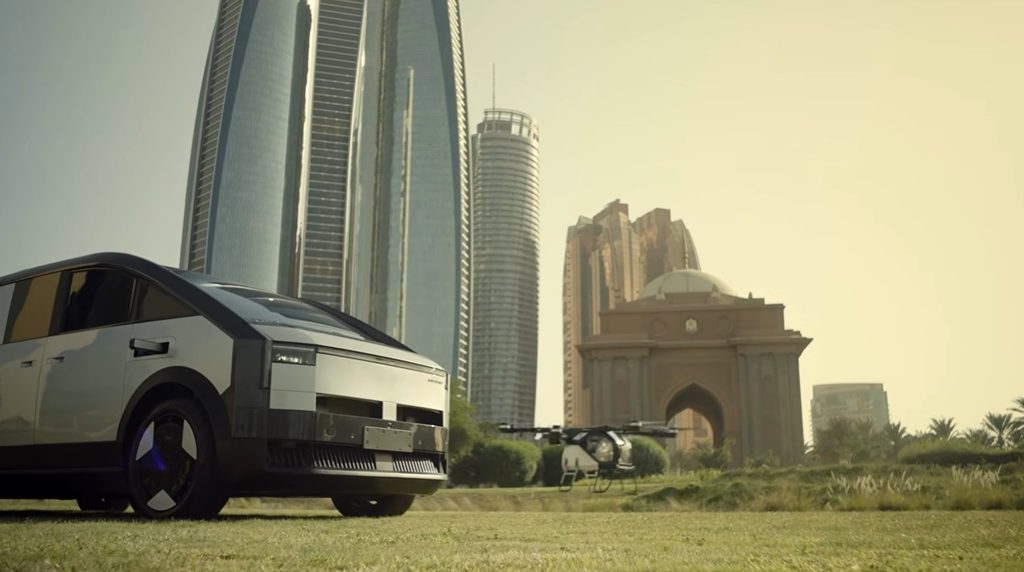
The vehicle is a battery-powered, helicopter-style craft with drone-like propellers, carried inside a six-wheel van. It does not drive; it unfolds from that van, takes off, and returns when the flight ends.
The Package, the Price, the Specs
At $300,000 for the full package, this product is aimed at a narrow slice of early adopters.
The aircraft and carrier van together cost approximately $300,000. That price reflects what Zhao described as “the world where everyone can be a captain is about to arrive,” according to reporting by todrivefor.com.
Control is autonomous to a programmed destination, with available reporting from Essential Business also noting obstacle detection. Zhao told the Web Summit audience he could teach someone to operate it in about five minutes. Formal licensing and insurance requirements for consumers have not been established, according to available reporting.
Where It Can Actually Fly
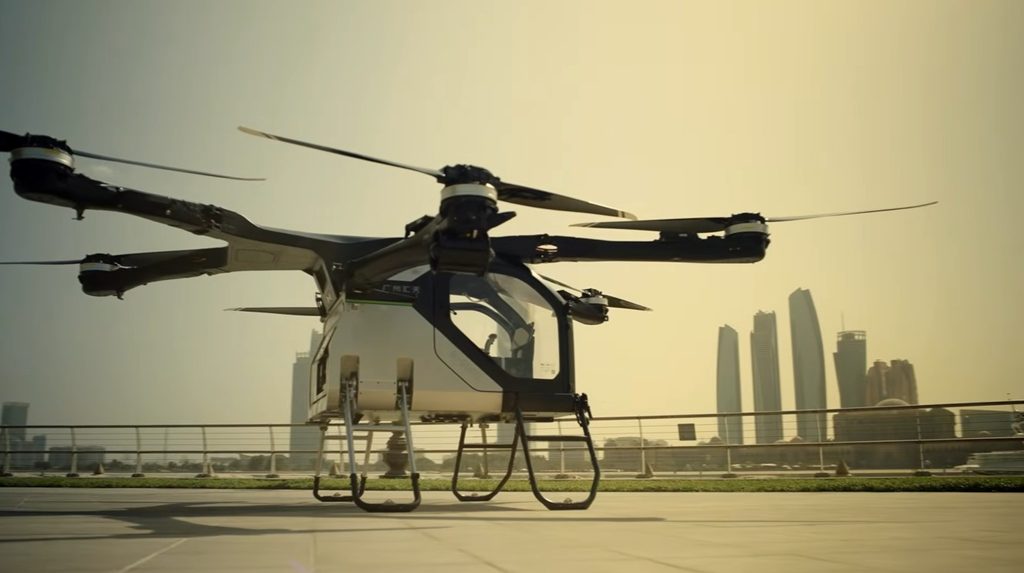
Initial approvals cover designated parks and emergency access routes, not city skies.
Initial operations are limited to designated park areas in China and emergency missions accessing locations that are difficult to reach by road. Chinese civil aviation authorities have granted limited-use approval; the precise certification status requires a primary regulatory source to confirm fully.
Urban commuting is not on the near-term agenda. Reporting consistently points to rural and controlled areas as the only viable early operating environments.
The Intended Buyer Is Not a Commuter
XPeng is pitching adventure enthusiasts and emergency services, not daily urban travelers.
XPeng is targeting outdoor and adventure enthusiasts: divers, surfers, off-road riders and recreational pilots. Emergency services represent a separate, specialist use case.
The 2027 target represents controlled, geographically restricted operations for a limited market, not broad public air travel.
China’s Low-Altitude Economy and a Dig at Musk
XPeng’s aircraft sits inside a broader Chinese government push toward commercial low-altitude flight.
XPeng’s development aligns with Beijing’s broader interest in what officials describe as a “low-altitude economy,” encompassing drones, cargo operations and emerging passenger services, with rural and controlled areas as early proving grounds. No primary government policy document was available in the reporting reviewed for this article.
Zhao also took a pointed shot at the competition. Asked about Elon Musk’s flying Tesla demonstration, he described it as “really hopping or jumping and not really flying,” according to the Sacramento Bee.
Real Hardware, Significant Caveats
A decade of development brings XPeng closer to commercial operations, but meaningful obstacles remain.
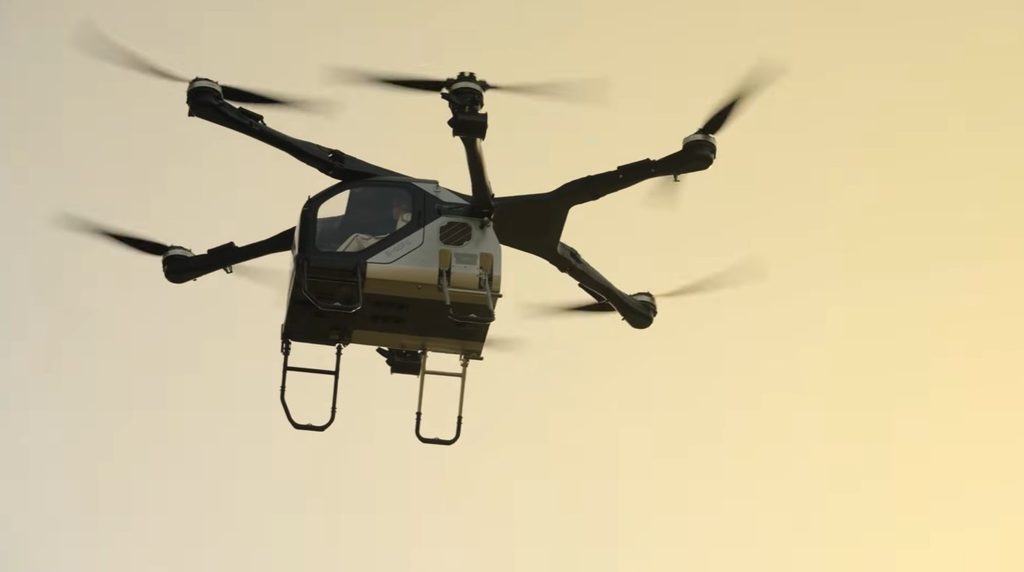
The company has spent approximately a decade on development, including flight tests at its Guangzhou base, according to Finwire. XPeng vice president and chief financial officer Michael Du said at Web Summit Lisbon that the program is “no longer science fiction or just a single demo aircraft,” according to Euronews, though that quotation should be treated as reported pending direct source review.
The commercial obstacles are real. A $300,000 price, restricted flight zones and unresolved licensing questions narrow the near-term market. What XPeng plans to offer in 2027 is an aircraft approved for limited operations in specific conditions, not the flying car of science fiction. That distinction matters.