WIRED, which first reported the story, interviewed two anonymous members who described compartmentalized operations organized into separate “silos.” The group’s name is a deliberate reference to the Zapatistas, the Mexican revolutionary movement.
Its capybara imagery was chosen as a counter-symbol to the Shiba Inu dog associated with Musk’s DOGE project, according to WIRED.
The Scope of the Claims
The Capytistas say they have raised more than $1.2 million and compiled thousands of records, though none of those figures have been independently verified.
The group says contributions include donations from wealthy supporters it describes as “class traitors.” It also claims to have compiled more than 3,500 records tied to individuals with a combined net worth of approximately $1.4 trillion.
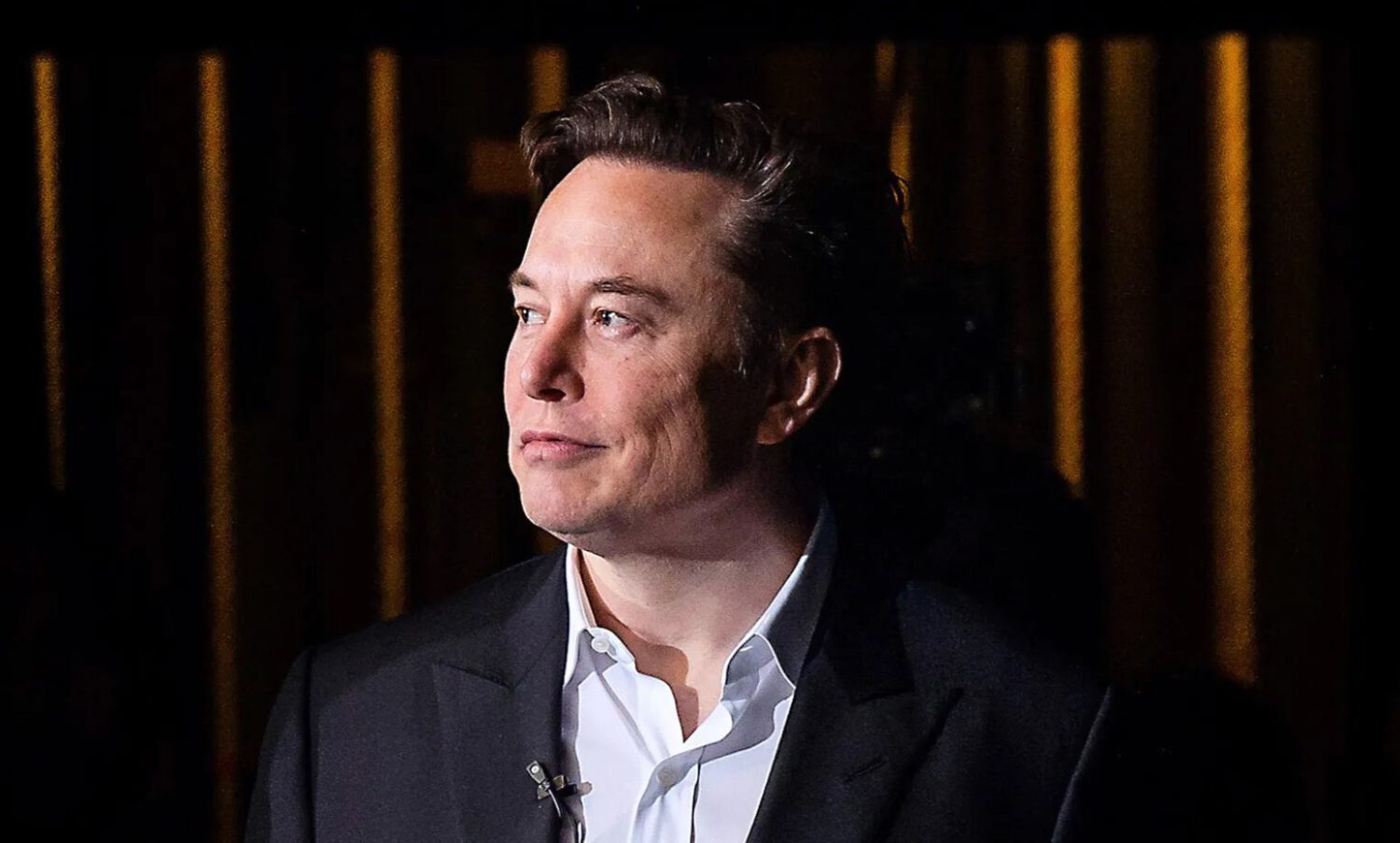
The first reported release focuses on Musk, his brother Kimbal Musk, and Tesla board members and executives. It also names major institutional investors including Vanguard and BlackRock, along with nearly 40 suppliers.
The group says Musk’s high public profile makes him an effective entry point for drawing attention to less visible actors in corporate and political networks.
Doxing as a Political Tactic
The Capytistas frame the publication of personal information as “radical accountability,” but that argument remains contested and unsupported by independent evidence.
The group argues that powerful people should experience the same data exposure their businesses impose on others. That is the group’s stated position; whether it constitutes a valid justification is a separate question.
The Capytistas also claim that public exposure could serve as an “off-ramp” from more serious violence. No evidence in available reporting supports the claim that doxing reduces the likelihood of physical attacks.
WIRED noted that similar personal-information campaigns have been deployed across the political spectrum. Examples cited include DOGEQuest, which allegedly published data on Tesla owners and DOGE staff, and Canary Mission, which compiles dossiers on pro-Palestinian students and academics. The goals and targets of those projects differ substantially.
The Backdrop: Tesla Protests and Criminal Incidents
Protests swept Tesla dealerships across multiple countries in 2025, driven by opposition to Musk’s role in federal government cost-cutting, and were followed by a separate wave of criminal incidents.
A joint FBI-DHS intelligence bulletin documented incidents involving arson, gunfire, and vandalism targeting Tesla vehicles and property in at least nine states. NBC News and CNBC reporting established that known attacks appeared to involve lone offenders, not organized protest groups, and those incidents are distinct from peaceful demonstrations organized under the Tesla Takedown banner.
The FBI subsequently announced a task force to investigate Tesla-related attacks. WIRED also reported an alleged incendiary-device attack at a gate outside OpenAI CEO Sam Altman’s home; no injuries were reported.
What Remains Unverified
The Capytistas’ membership, funding sources, and dossier contents have not been independently confirmed, and the primary reporting rests on anonymous interviews and materials supplied by the group itself.
Available reporting establishes that WIRED reviewed materials provided by anonymous members; it does not validate every underlying claim in those materials. Tesla’s press office did not respond to WIRED’s request for comment.
This article does not publish, describe, or summarize any addresses or property identifiers connected to the campaign. Those details are not necessary to report the story, and their publication could create risks for targeted individuals, household members, and people nearby.