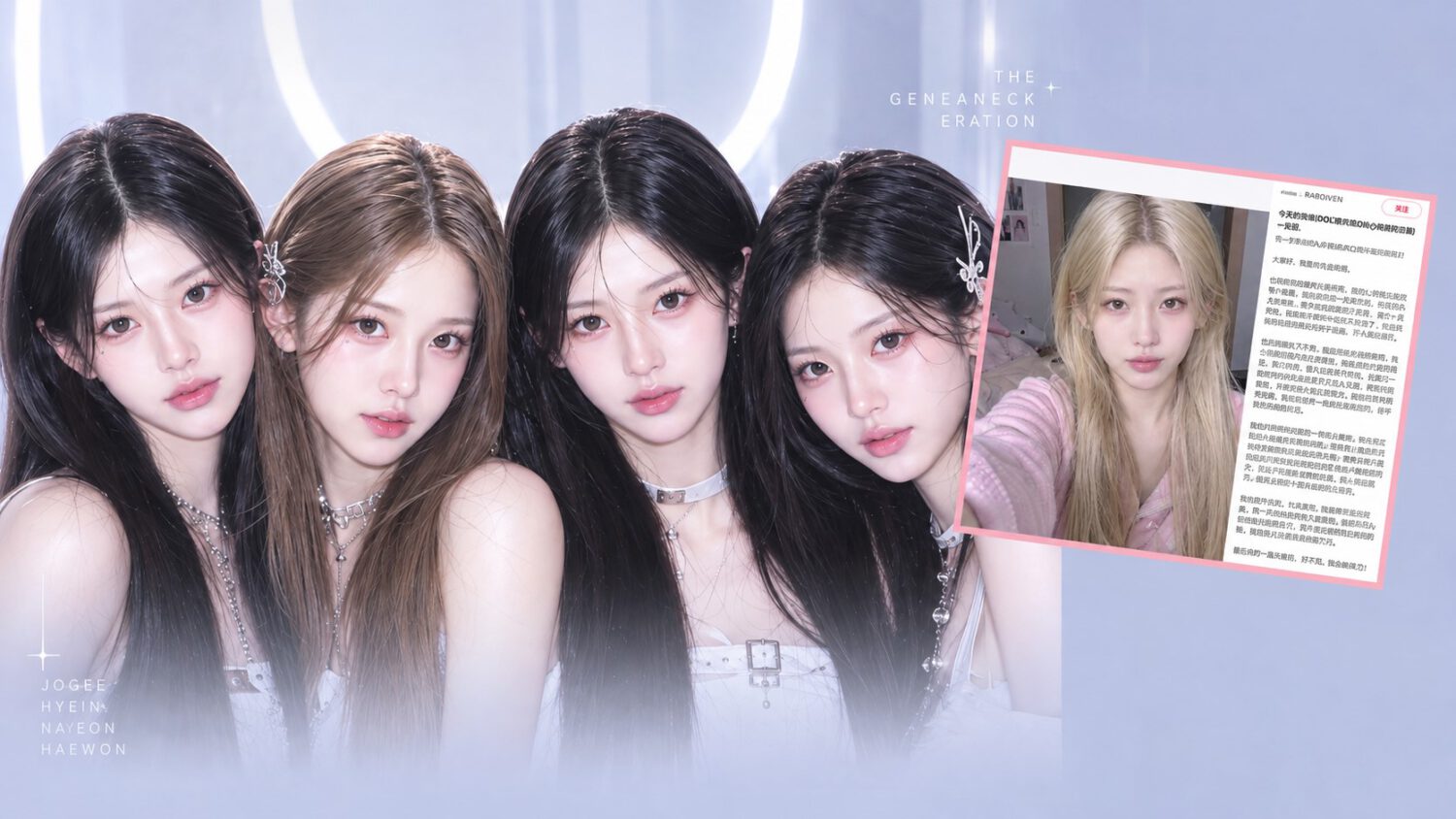
A fictional pop star announced she was pregnant. Some fans believed her. She was never real to begin with. That is the situation the creators of Babyqueen, a Chinese AI-generated girl group styled after K-pop acts, found themselves apologizing for in October 2026. The episode illustrates how realistic presentation can lead some audiences to treat a virtual character as human.
The Announcement That Wasn’t Real
A fabricated pregnancy announcement exposed the gap between AI performance and audience expectation.
Babyqueen launched around September 2026 as a hobby project built by a small group of Chinese K-pop fans, according to Korea Herald and The Star. The group had five AI-generated members, each with a name and a biography.
One of those members, Mity, posted an announcement on Chinese social media stating she was pregnant and would leave the group to rest and care for herself. The statement used management-style language about suspending activities, formatted in the style of a conventional idol notice.
Some followers took the announcement at face value, according to Korea Herald. Mity was not a human performer; she was a generative AI character.
The creators later admitted the storyline was invented, as reported by Metro and Sixth Tone. Managing multiple virtual personas had become too demanding, and the fictional pregnancy was used to remove one member from the active lineup, reducing the roster from five to four.
A comeback teaser for the remaining members appeared shortly after Mity’s announcement, according to International Business Times. The timing became a focus of online criticism.
The Problem With Performing Parenthood
Critics objected not just to the deception, but to the specific subject chosen to carry it out.
Critics raised two objections, according to reporting by The Star. The first was that the presentation misled audiences. The second was the specific choice of pregnancy as an exit device, using a real-world personal experience as a plot device to resolve a production problem. The creators acknowledged the explanation was inappropriate.
Very little separates a virtual character from a human one in audience perception, as this case illustrates. A digital persona given a consistent name, a backstory, and agency-style communications may lead audiences to fill in the rest.
Parasocial attachment to fictional characters is already familiar territory. Entire fandoms organize around anime figures, video game protagonists, and virtual influencers like Lil Miquela. Babyqueen pushed that familiarity into territory involving pregnancy and maternity, subjects that carry genuine emotional and social weight.
Every Virtual Idol Now Has an Explanation Problem
The Babyqueen incident raises questions about disclosure and responsibility that the virtual entertainment industry has not yet answered.
The creators said managing multiple AI characters had become burdensome, and reducing the roster addressed that pressure. As a follower, you have no way to know which posts are plot and which are policy until the creators decide to tell you.
Fictional explanations involving health or family may create ethical and reputational risks that outlast any short-term convenience. Babyqueen’s situation raises questions about when a fictional biography becomes misleading, a problem the virtual entertainment industry has not resolved.
Projects in this space will face growing pressure to label AI performers clearly. They must also separate plot developments from real-world announcements and disclose who controls the character’s account. Platforms and advertisers may eventually need formal standards for how synthetic personalities handle sensitive subjects.
The real question raised by Babyqueen is not whether an AI character can get pregnant. It is whether you know the story is fiction before you start caring about the character.