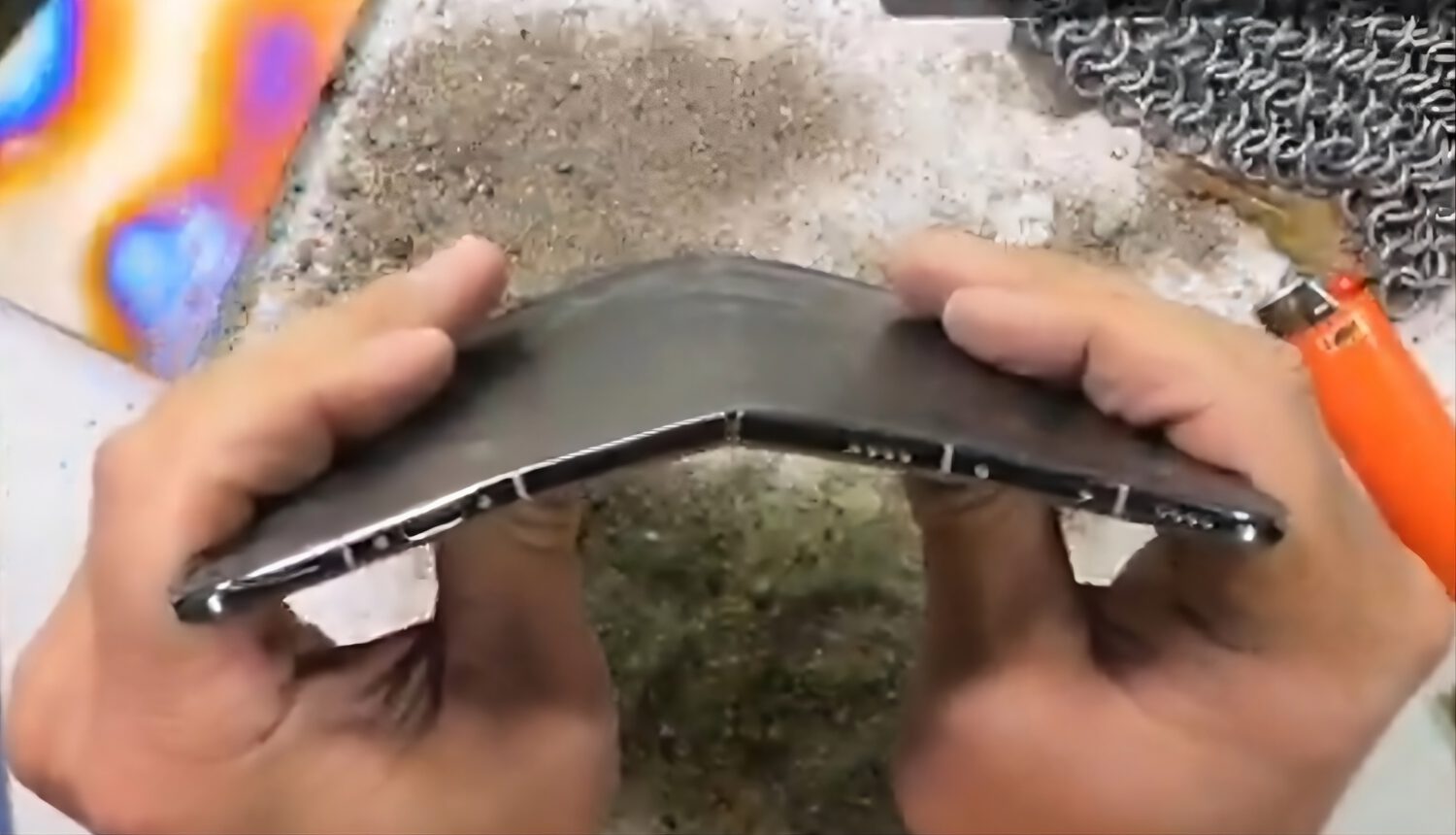
Spend $1,999 on Apple’s first foldable and you deserve to know exactly what you are buying. Zach Nelson of JerryRigEverything ran the iPhone Duo through his durability gauntlet, and the results are worth reading before you tap “Add to Bag.” If you’re already thinking ahead, browsing iPhone accessories worth keeping is a smart next step.
The inner display scratches at Mohs hardness level 2, a level soft enough that a fingernail can scratch the panel. That number is the headline, and everything else in the test flows from it.
What the Test Actually Found
The iPhone Duo held up reasonably well on the outside, but its foldable components revealed the vulnerabilities that matter most to buyers.
Nelson subjected the iPhone Duo to scratch, dust, and bend tests. The specific failure points, according to Dexerto and NotebookCheck:
- The outer display, protected by Ceramic Shield 2, held up around level 7, consistent with most premium smartphones
- The flexible inner display scratched at level 2, meaning a fingernail can leave a mark
- Dust and debris appeared to work into the hinge during testing, reportedly preventing the phone from closing fully
- Bending produced a permanent green line across the inner panel; a second bend left the screen unresponsive
- The frame and hinge did not snap apart
Nelson concluded the device did not survive the test. The reported replacement cost for the inner display sits at approximately $1,000, according to Dexerto, though that figure comes from the test video rather than an official Apple repair quotation.
Context matters here. AppleInsider noted that the bending sequence required substantial force, and the phone was not snapped in half. No single destructive test proves a phone will fail during ordinary use in a pocket or bag.
What the test does demonstrate is that specific failure modes exist under stress. Those modes are worth understanding before you commit to this price point.
The IP68 rating also deserves a footnote. That certification covers water and dust resistance under controlled laboratory conditions; it does not mean the hinge is immune to concentrated debris from a beach bag or a dusty commute.
The Real Problem Apple Needs to Answer
The core issue is not that a destructive test broke an expensive phone; it is the gap between premium pricing, marketing claims, and real-world repair costs.
Many foldables use a more vulnerable flexible inner surface, a constraint documented broadly across the foldable category by reviewers. That is a known trade-off of the form factor, not an Apple-specific failure.
What Apple does control is the distance between its pricing, its marketing claims, and what ownership actually costs when something goes wrong. Buying a $1,999 phone that faces a reported $1,000 repair bill recalls an expensive omakase dinner where the tab for a spilled drink nearly matches the meal. It is technically a separate line item, but impossible to ignore when you run the numbers.
Apple has the engineering resources and retail infrastructure to do better here. Clearer durability disclosures and more accessible repair paths for flexible displays are the logical next step, and the $1,999 price tag leaves no room to argue otherwise.
What You Should Do With This Information
The findings point to specific, manageable precautions rather than a reason to avoid the device entirely.
Treat the inner display as the fragile, flexible panel it is, and handle it accordingly. Keep the hinge away from sand, grit, and anything fine enough to work into a small gap.
Factor the roughly $1,000 reported repair cost into your total ownership calculation alongside the purchase price. The foldable category owes buyers honest numbers alongside IP ratings and spec sheets. That standard applies to every manufacturer in this space, and first-generation buyers absorbing premium pricing deserve that transparency from day one.