Keytruda is already an established adjuvant treatment option for high-risk melanoma after surgery; adding a personalized mRNA vaccine just made it measurably better. Phase 3 results announced October 22, 2026, show the combination reduced the relative risk of recurrence or death by 42% compared with Keytruda plus placebo.
The findings come from the INTerpath-001 trial, which enrolled 1,137 patients with completely resected stage IIB through IV melanoma. Moderna and Merck were scheduled to present the full data at the European Society for Medical Oncology meeting in Madrid.
A 42% Risk Reduction, With Important Caveats
The numbers are statistically strong, but overall-survival data are not yet mature.
After a median follow-up of 24.6 months, the trial reported a hazard ratio of 0.58 (95% confidence interval 0.45 to 0.75, p less than 0.001). Patients receiving the combination faced a 42% lower relative risk of recurrence or death over that follow-up period. The combination also reduced the relative risk of distant metastasis or death by 38%, with a hazard ratio of 0.62 and a p-value of 0.002, according to Merck and Moderna.
Two-year recurrence-free survival reached 82.2% for patients on the combination, compared with 70.0% for those receiving Keytruda plus placebo. Distant-metastasis-free survival at two years was 88.5% versus 80.2%, respectively.
One critical limitation applies: the companies stated that overall-survival data remain immature, though they observed a favorable trend. A reduction in recurrence risk and a proven survival advantage are not the same thing, and the trial has not yet established the latter.
A Vaccine Built From Your Own Tumor
Intismeran is designed around each patient’s tumor mutations and works alongside Keytruda to direct T cells at residual cancer.
This is a therapeutic vaccine, not a preventive one. It is designed for patients who have already undergone surgery, not for healthy people seeking to avoid melanoma.
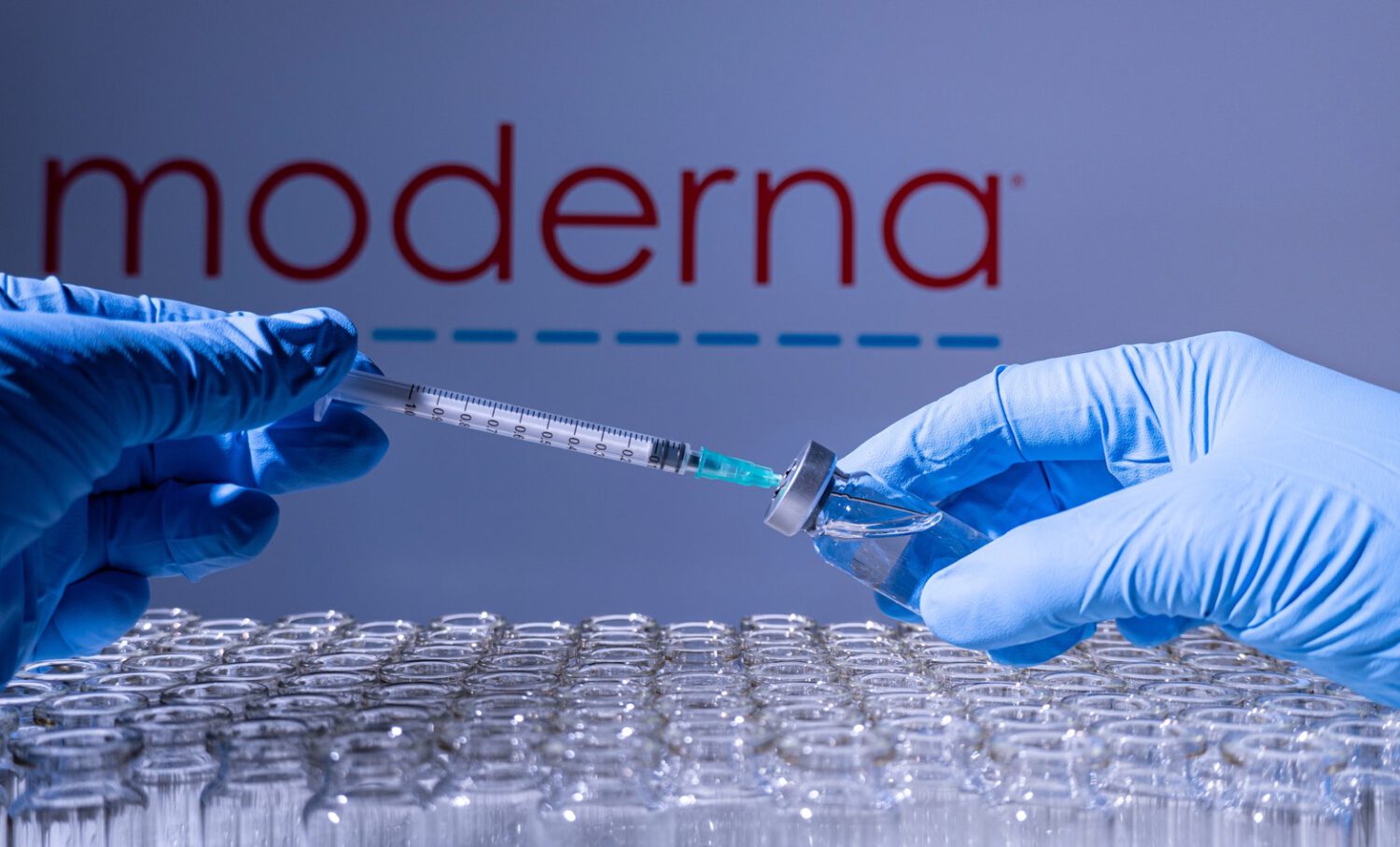
The investigational vaccine, intismeran autogene (also called V940 or mRNA-4157), is designed using the specific mutations identified through sequencing each patient’s removed tumor. Nine doses are administered beginning approximately 13 weeks after surgery, according to trial materials cited by Reuters. Keytruda works alongside it by blocking the PD-1 pathway, a molecular brake that can limit T cells from attacking cancer cells, and together the treatments are intended to direct the immune system toward any residual cancer that surgery may have left behind.
A Potential 2027 Launch, If Regulators Agree
Manufacturing complexity may matter as much as the clinical result for patients hoping to access the therapy.
Moderna and Merck said they are preparing to seek U.S. regulatory approval, with a potential launch targeted for 2027 pending that review. The treatment remains investigational until regulators act.
Every dose is custom-built to a single patient’s tumor profile. Tumor sequencing, manufacturing speed, quality control, and cost will all determine whether this therapy can reach patients at scale, and the trial data do not resolve those logistical questions.
Stocks Fell. The Science Didn’t.
Investors booked gains on detailed data; the trial result itself remained unchanged.
Moderna shares dropped sharply after the detailed findings became public, following a substantial earlier rally tied to the initial trial-success announcement. Reuters described the reaction as a sell-the-news move; Merck shares also declined.
The stock movement likely reflects investor expectations around approval timing, pricing, and manufacturing scale rather than a new reading of the clinical data, though market reactions can reflect multiple factors simultaneously.
If regulators approve intismeran, the approach could encourage broader development of sequencing-guided, individualized immunotherapy beyond melanoma. That outcome depends on regulatory filings, review, and a manufacturing model that does not yet have a public price tag.