At 8:15 p.m., Greg Pirio heard the generators start. By dawn, the lung pain he described had pushed him out of his Sterling home and sent him 15 miles down the road to his daughter’s house in Vienna.
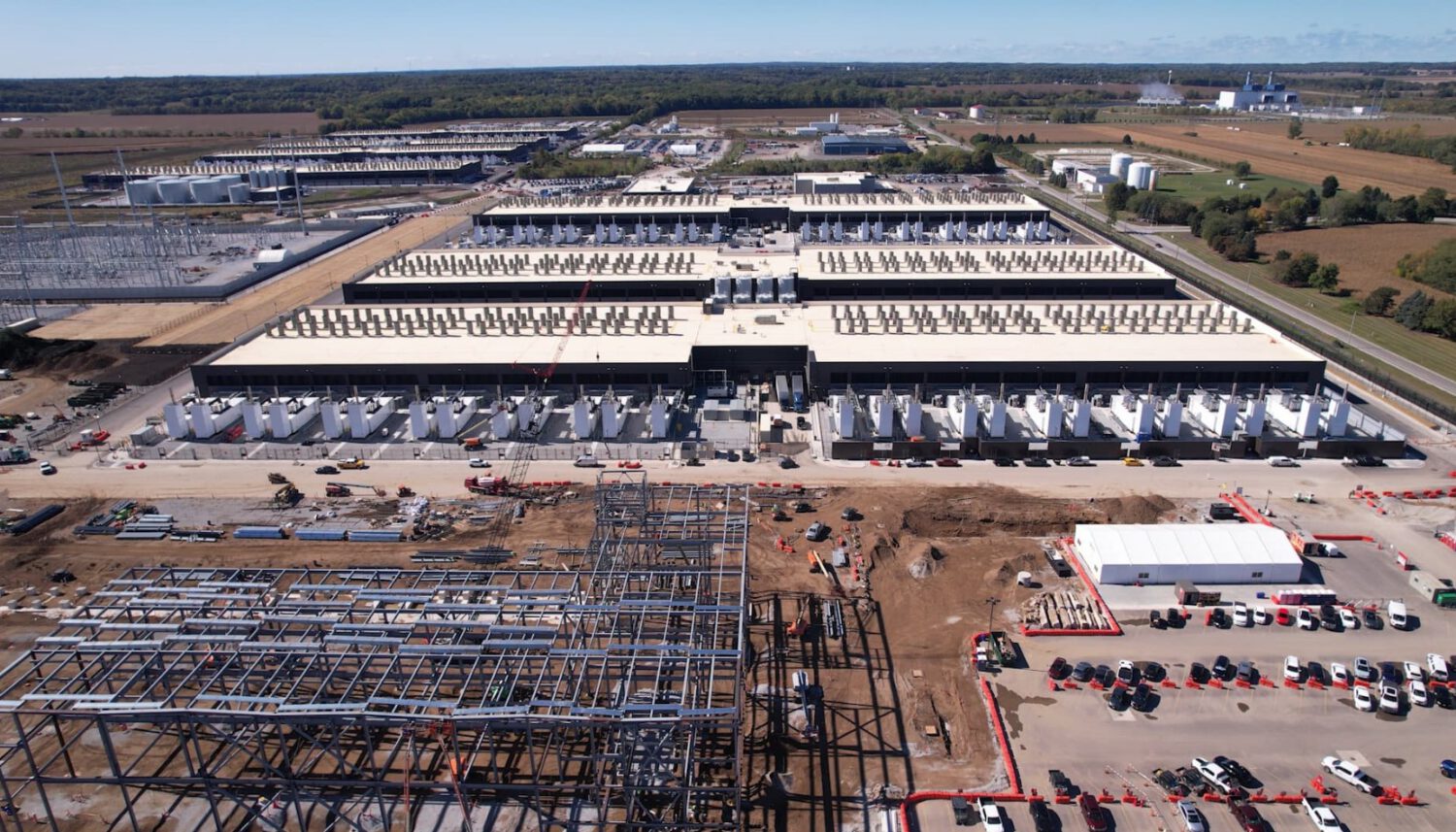
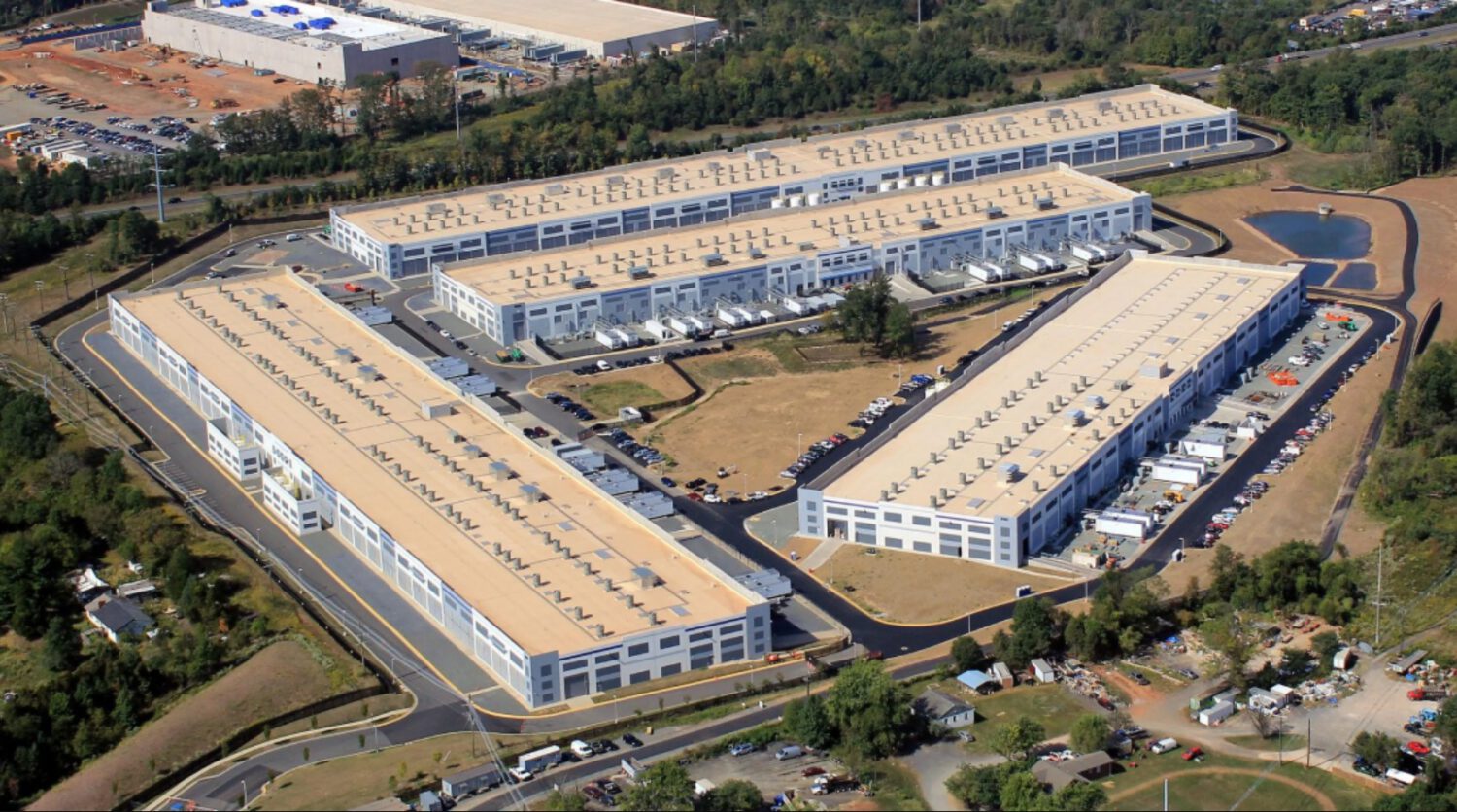
The source was Vantage Data Centers’ VA2 campus in Sterling, where dozens of diesel backup generators ran for nearly 24 hours after a failure knocked out the facility’s onsite natural-gas turbines. The timing compounded the problem: a Code Red air-quality alert was already in effect, driven partly by Canadian wildfire smoke drifting across the region.
Virginia DEQ Director Michael Rolband told local officials his agency had no authority to stop the generators under current regulations. Vantage’s air permit allows generator use during emergencies, and the turbine failure qualified. DEQ said inspectors would review the facility afterward and take appropriate action if they identified a permit violation.
A Facility Unlike Its Neighbors
VA2 operates entirely on onsite power, which made last July’s turbine failure a much bigger problem than a typical data-center outage.
VA2 is not connected to the electric grid. Eight onsite natural-gas turbines supply primary power, with the diesel generators serving as backup. Vantage confirmed the turbine plant failed, triggering the extended generator run, and said the onsite plant is temporary, with grid connection planned once the utility can support the facility’s load.
Pirio recorded the noise overnight and said he measured 60 decibels at his property line, above Loudoun County’s reported nighttime limit of 55 decibels. That figure is his own measurement, not an independently verified regulatory finding.
Permits Built for a Smaller Problem
The permit structure governing Virginia’s data centers was built for facilities far smaller than what now lines Data Center Alley.
According to WUSA9’s review of state records, 189 of Virginia’s 197 data-center air permits are classified as “minor.” Under Virginia rules, a minor permit can allow up to 100 tons per year of a single pollutant from diesel or gas combustion. That classification requires neither public notice nor a public hearing. Ninety-one of those minor permits sit in Loudoun County alone.
The health-impact picture is contested. A February report prepared for the Piedmont Environmental Council modeled $53 million to $99 million in annual health damages at VA2’s maximum permitted emission levels. It also projected 3.4 to 6.5 premature deaths per year under that same worst-case scenario. These are modeled estimates, not confirmed annual outcomes.
DEQ formally criticized that report, saying it overstated real-world impacts and relied on an air-dispersion model the EPA has not approved for evaluating individual facilities. DEQ’s own analysis found the facility’s reported 2025 emissions were roughly half of its permitted limits.
A December 2024 report from Virginia’s Joint Legislative Audit and Review Commission found that data-center backup generators typically ran 10 to 30 minutes per month for routine testing. Actual 2023 sector emissions came in at roughly 7% of permitted levels, according to that report. That historical baseline does not capture the effects of extended emergency operation like the event at VA2.
DEQ’s air-monitoring study of Data Center Alley recorded hourly pollution spikes, while average readings stayed within federal health standards.
Political Response
Local officials are now searching for regulatory authority that current county ordinances may not actually give them.
Sterling District Supervisor Koran Saines proposed directing county staff to identify ways to regulate backup generators already operating in Loudoun County, acknowledging that current ordinances limit local authority. Vantage said it remained compliant with local noise ordinances and cited planned improvements, including turbine-exhaust-louver upgrades, additional sound panels, and thicker sound blankets.
The available sources establish emergency exemptions as a standard permit feature, but they do not confirm those provisions were specifically designed for rare, short-duration events. Whether the gap between what permits allow and what neighbors experience is growing remains an open regulatory question. As of the article’s reporting date, DEQ’s post-incident review had not yet produced findings. Residents seeking recourse may find that data centers operating under state-level emergency exemptions leave local governments with limited tools to intervene.