The IEA is tracking 93 purpose-built AI facilities whose projected combined capacity rivals Great Britain’s peak electricity demand, and the grid infrastructure to support them is not keeping pace.
Ninety-three large AI facilities are under construction or expansion worldwide. According to reporting on the International Energy Agency’s World Energy Outlook 2026, their projected combined capacity at completion is approximately 50 gigawatts. That figure is comparable to Great Britain’s peak electricity demand, distributed across multiple grids and continents.
The comparison illustrates scale, not a single grid event. The 50 GW represents projected facility capacity once construction is complete, not continuous power draw from one network.
The 93 AI Factories
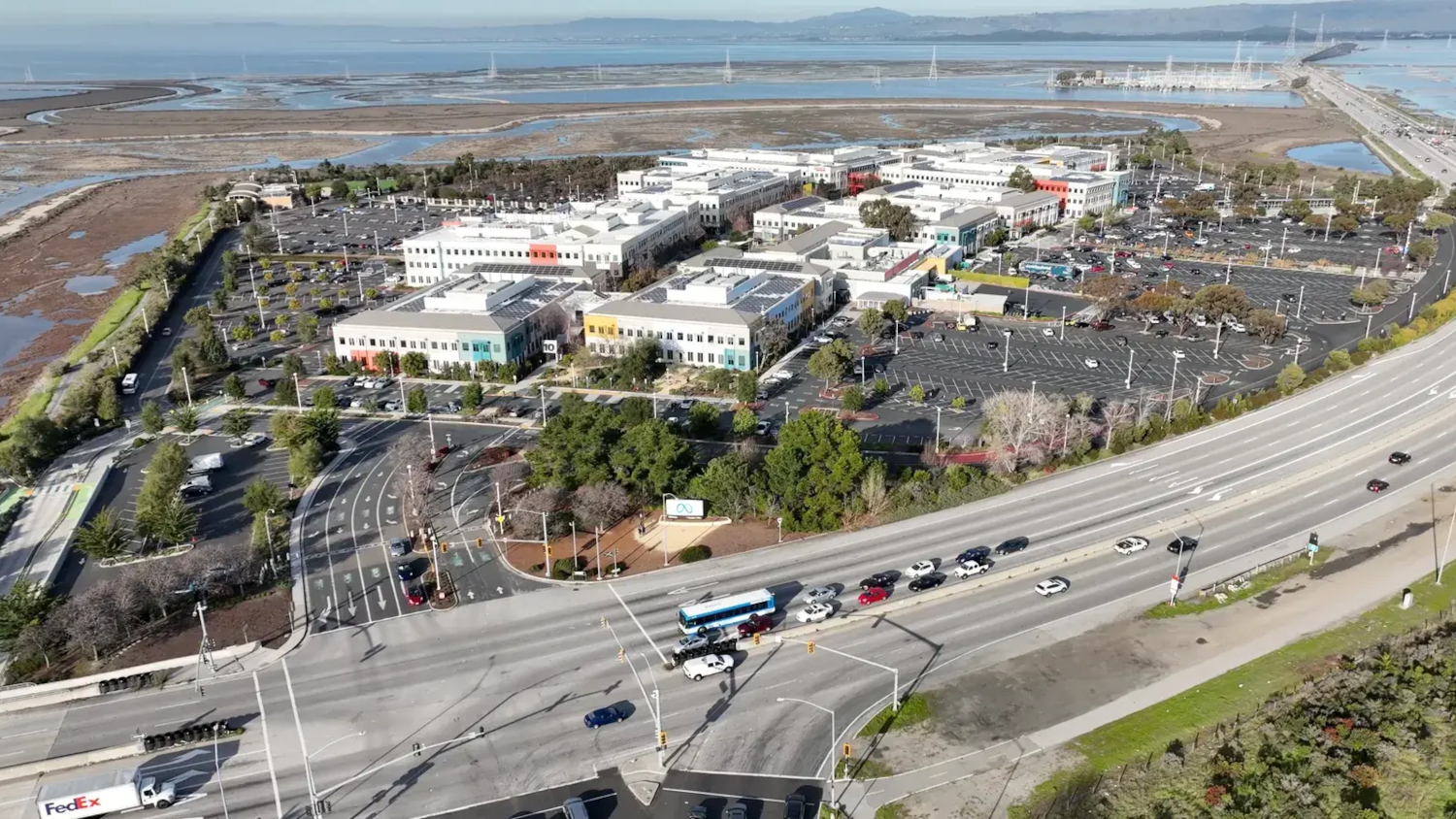
Satellite tracking of AI “factories” reveals a build-out that accelerated faster than most grid planners anticipated.
The IEA is monitoring these sites using satellite imagery. Inferred capacity across the 93 purpose-built AI facilities grew from below 2 gigawatts to roughly 17 gigawatts in two years, and full completion could push that figure to approximately 50 GW.
These are purpose-built structures designed specifically for AI workloads rather than general cloud or enterprise computing. That distinction matters for grid planners: AI servers produce concentrated, persistent electrical loads that often require dedicated infrastructure rather than relying on spare regional capacity.
The Broader Build-Out
Global data-center investment projections dwarf anything the industry has previously attempted, and the electricity numbers follow accordingly.
Global data centers currently represent about 120 gigawatts of aggregate capacity. Another 120 GW is projected to come online by 2030, with roughly 75% of that dedicated to AI-oriented facilities, according to the IEA’s reported figures.
Annual electricity consumption from data centers is projected to roughly double over the same period, reaching approximately 1,000 terawatt-hours by 2030. AI workloads account for about three-quarters of that increase.
Capital investment in data-center infrastructure is projected to reach approximately $4 trillion globally by 2030, up from roughly $565 billion in 2025. That figure is a forward projection, not confirmed or committed expenditure.
Roughly 80% of existing global data-center capacity is concentrated in China, the European Union, and the United States. The most immediate grid pressure is therefore regional rather than evenly distributed across global electricity systems.
The Grid Problem
The mismatch between construction timelines and grid interconnection timelines is where announced projects become delayed ones.
Transmission infrastructure typically takes several times longer to build than the data centers it must serve, according to reporting on the IEA outlook. A developer can reach operational readiness on a new AI data centers campus well before the necessary substation upgrades or transmission lines are approved, permitted, and built.
In some major markets, the collective power requirements of planned projects could exceed what those grids currently supply at peak demand. Possible consequences include interconnection delays, project curtailment, higher connection costs, and dependence on new generation that may itself face permitting constraints.
The core constraint is not whether enough electricity exists somewhere in the world. It is whether power can reach the right location, at the required reliability level, on the schedule that data-center developers are working toward.
The investment momentum behind AI infrastructure is substantial, as the projected spending figures make clear. The grid capacity required to match it is not yet built, and actual completion rates could shift based on permitting outcomes, financing conditions, interconnection queues, or changes in AI economics.