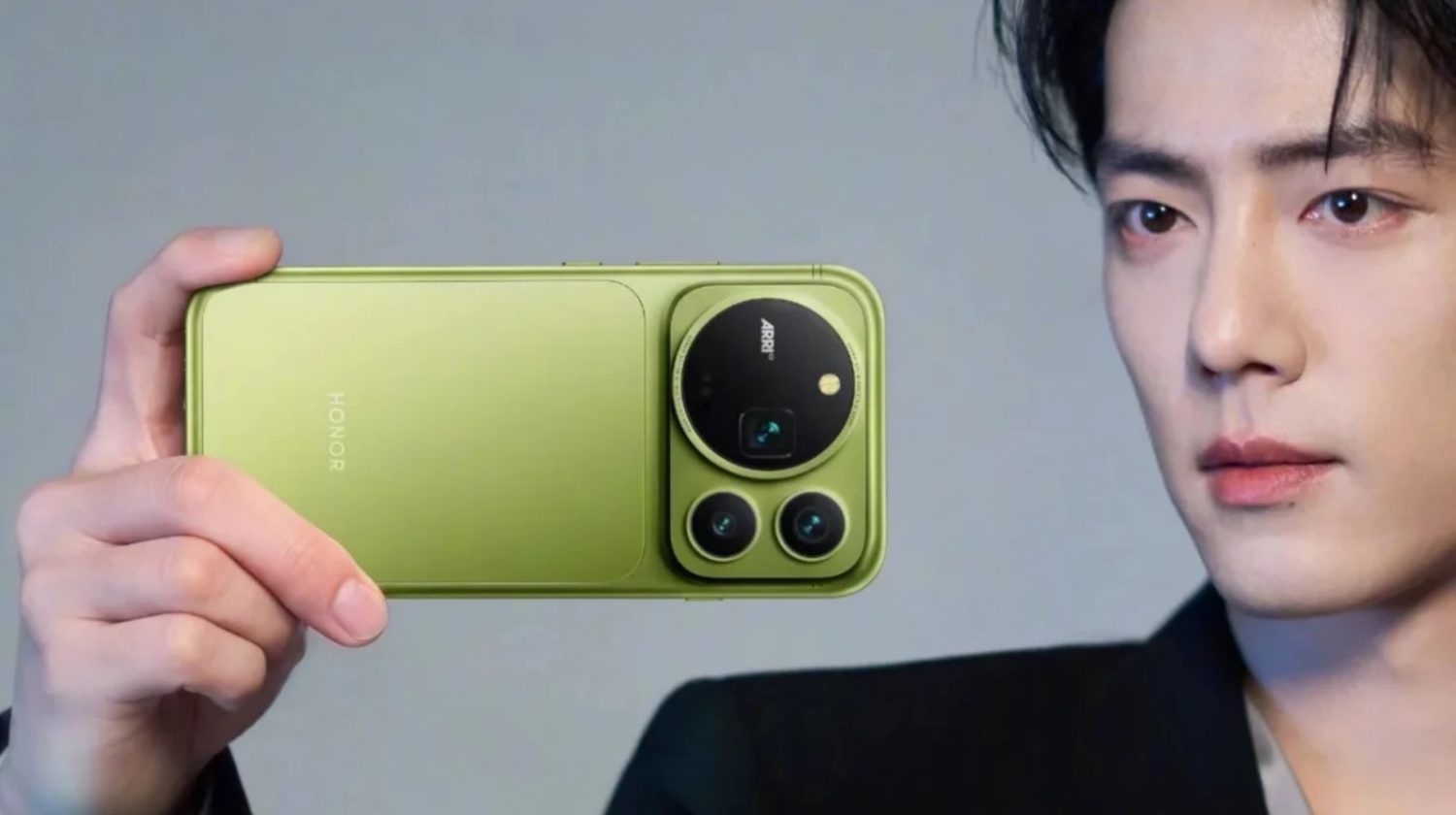
When ARRI, whose cameras appear on sets ranging from prestige television to major motion pictures, lends its image science to a smartphone, that is worth paying attention to. Honor’s Magic 9 Pro Max does not simply borrow the ARRI name for marketing; according to Honor’s announcement, the partnership contributed genuine camera expertise and image science to the system. The iPhone 18 Pro Max is the device every Android flagship gets measured against, and on paper, Honor has built something that challenges it seriously with some of the best cameras seen in a smartphone. The catch: no independent camera testing exists yet, and most readers cannot actually buy this phone.
What the ARRI Partnership Actually Means
The camera system goes well beyond a co-branding exercise, though the real-world proof still belongs to the lab.
The rear camera system is built around two 200MP sensors. The main camera uses a 1/1.28-inch sensor, f/1.57 aperture, optical image stabilization, and a 3-degree gimbal-level stabilization system rated at CIPA 8.0.
The telephoto also delivers 200MP with a 1/1.4-inch sensor, f/2.6 aperture, OIS, and 3.5x optical zoom. A 50MP ultrawide rounds out the trio. The ultrawide does not support every feature inside Honor’s ARRI Cinema Mode, so the headline cinema capabilities are not universal across all three lenses.
ARRI Cinema Mode records at up to 4K and 60 frames per second, with 10-bit color, ARRI LogC3, and ARRI Wide Gamut 3. LogC3 and Wide Gamut 3 preserve significantly more image information for professional color grading than standard consumer video formats. You will need compatible editing software and post-production time to use them properly, but the files are there if you want them.
Fourteen ARRI Look presets are included, with access to a broader ARRI Look Library reportedly available for additional grading options. To be clear about what presets and log formats cannot do: they do not replicate the dynamic range, optics, or overall image quality of a professional cinema camera.
Honor says the four-microphone directional system can capture audio from up to 20 meters away while rejecting off-axis sound. That claim requires independent testing before it should be treated as a confirmed replacement for a dedicated microphone.
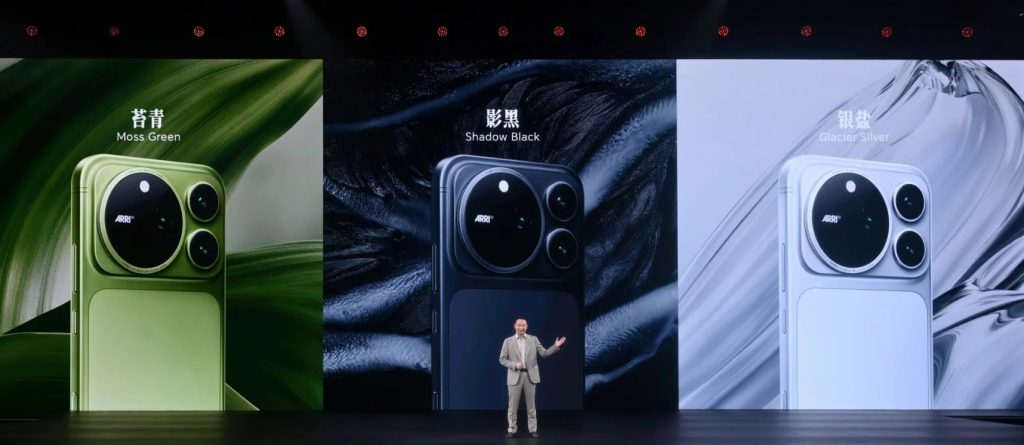
How It Stacks Up Against the iPhone 18 Pro Max
Honor holds a clear advantage in cinematic tools on paper, but whether that advantage survives real-world testing remains an open question.
Apple’s iPhone 18 Pro Max uses three 48MP Fusion cameras. The lineup includes a main camera with variable aperture and second-generation sensor-shift OIS, an ultrawide, and a 4x tetraprism telephoto with OIS and autofocus.
Resolution alone does not determine image quality. Apple’s strengths include computational photography developed over many years, autofocus consistency, a mature video ecosystem, and broad integration with editing and publishing applications.
Honor’s documented advantage is cinematic control: dual high-resolution sensors, log recording, professional color-science tools, and directional audio in one device. Whether that translates to better real-world photos or footage compared to the iPhone 18 Pro Max belongs to the lab, not the spec sheet.
Independent testing will need to address the practical questions: autofocus consistency in low light, skin-tone accuracy, and stabilization performance during movement. Also unresolved are log footage noise at higher ISOs, file compatibility with common editing applications, and whether the battery can sustain a long recording session without thermal throttling.
Availability and the Bottom Line
Honor has built an ambitious specification sheet, but geography and an unproven track record are real friction points for most buyers.
The Magic 9 Pro Max launched in China on September 28, 2026, starting at RMB 6,499, roughly $970 at direct conversion. Configurations run from 12GB RAM and 256GB storage up to 16GB RAM and 1TB. The phone runs MagicOS 11, based on Android 17, on a Snapdragon 8 Elite Extreme Gen 6, with an 8,800mAh silicon-carbon battery.
International availability is not fully confirmed, per reporting from The Verge. For buyers outside China, potential friction points include warranty coverage, network compatibility, software service access, and resale complications; each of those deserves verification before purchase.
Honor has assembled one of the most cinema-focused smartphone specification sheets available right now. Whether the footage holds up is a question for independent testing, not a press release.