For a heavily covered tech event, the iPhone 4 Antennagate press conference left a conspicuous gap in the public record. That gap narrowed recently when a roughly 47-minute video of the Q&A portion of Apple’s July 16, 2010, iPhone 4 press conference surfaced on YouTube, more than 16 years after the event took place.
The source of the upload remains unknown. John Gruber of Daring Fireball, who attended the original event and flagged the recording, wrote that he does not know where the video came from or why it appeared now. Apple’s confidential handling of internal matters has drawn scrutiny in other contexts as well.
What the Camera Captured
The Q&A adds direct visual evidence to an event that had been reconstructed largely through written live blogs and photographs.
The footage shows Steve Jobs, then-COO Tim Cook, and hardware executive Bob Mansfield taking questions from reporters, according to coverage from MacRumors and Daring Fireball. At roughly the 18:45 mark, Gruber asks all three executives whether they use cases on their own iPhone 4s; all three hold up uncased phones in response.
Jobs delivers an extended explanation of why Apple waited before holding the press conference, citing the need to collect additional data first. Near the end of the recording, he shifts to Apple’s broader strategy of owning and controlling core technologies in its products, connecting that approach to the expanding role of software in consumer electronics.
What Antennagate Actually Was
A specific grip, a dropped signal, and a reputational crisis that put Apple’s leadership on a stage it did not seek.
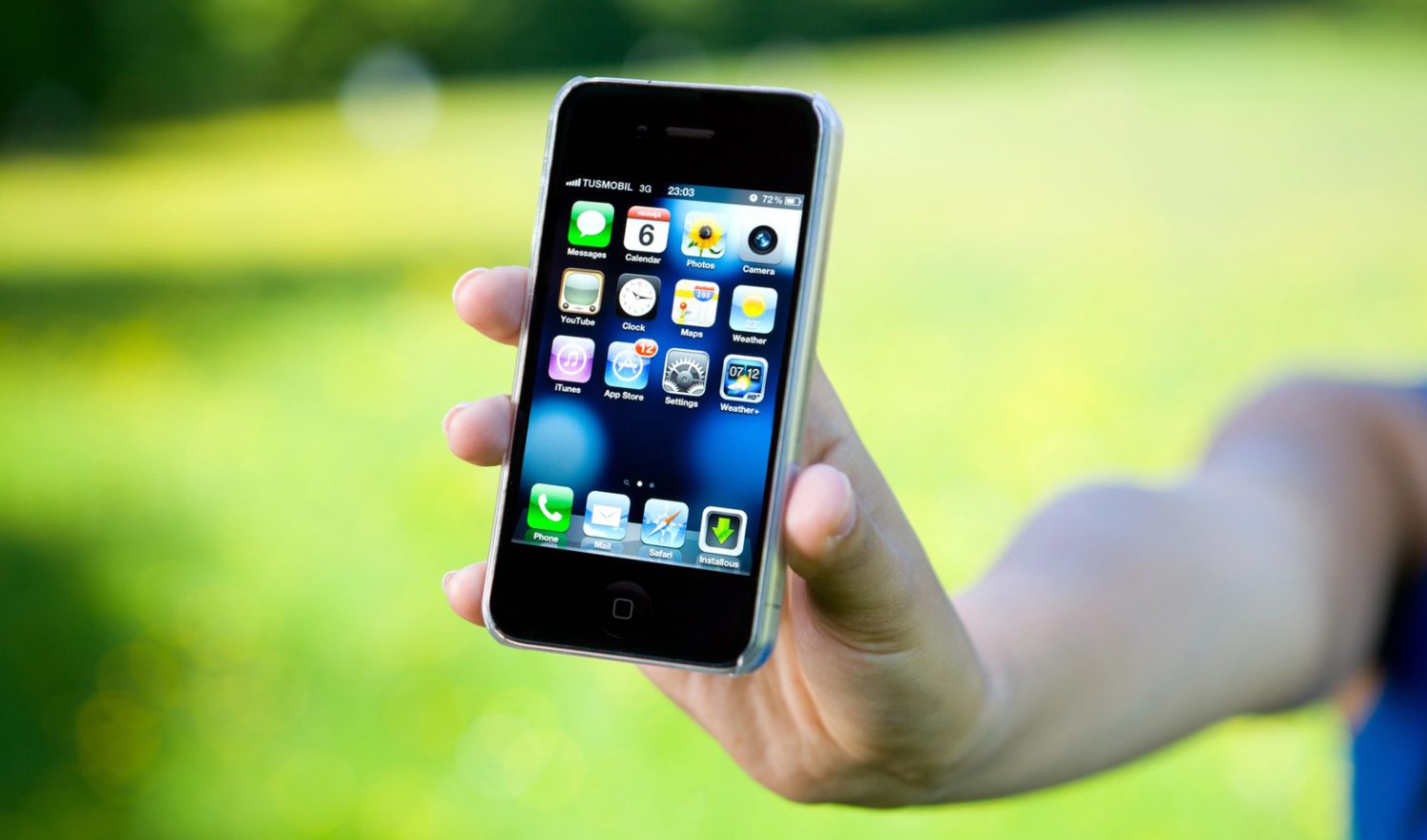
Holding the iPhone 4 over a particular section of its external antenna with bare skin could produce a noticeable drop in cellular signal strength. Apple’s official response, confirmed in the company’s July 2010 newsroom letter, included free cases for eligible customers, refunds for eligible case purchases already made, and a 30-day return window with no restocking fee.
Apple maintained the issue affected a relatively small share of users and could be mitigated with a case. Critics argued the problem reflected a meaningful flaw in the phone’s external antenna design, and that characterization remained part of how the episode was reported, according to contemporaneous coverage from Engadget.
A Primary Visual Source Now Available to the Public
The prepared presentation was always documented; the unscripted Q&A, where executives answered pointed questions on camera, was not previously available as video.
The 2010 event drew extensive coverage through live blogs, written news reports, and photographs, but the Q&A had no widely available video record. The most direct portion of Apple’s public response survived mainly as paraphrased accounts.
The recording now gives researchers, journalists, and anyone studying corporate crisis communication a primary visual source that was not previously known to be publicly accessible. For historians of Apple Keeps evolving its product and policy decisions, it is a rare record of how the company’s senior leadership addressed a hardware controversy in real time, in their own voices, and under direct questioning.
That context extends beyond nostalgia for a 16-year-old phone. How a company addresses a public hardware failure in its own words and under direct questioning often shapes how that episode is assessed long after the product has been discontinued.