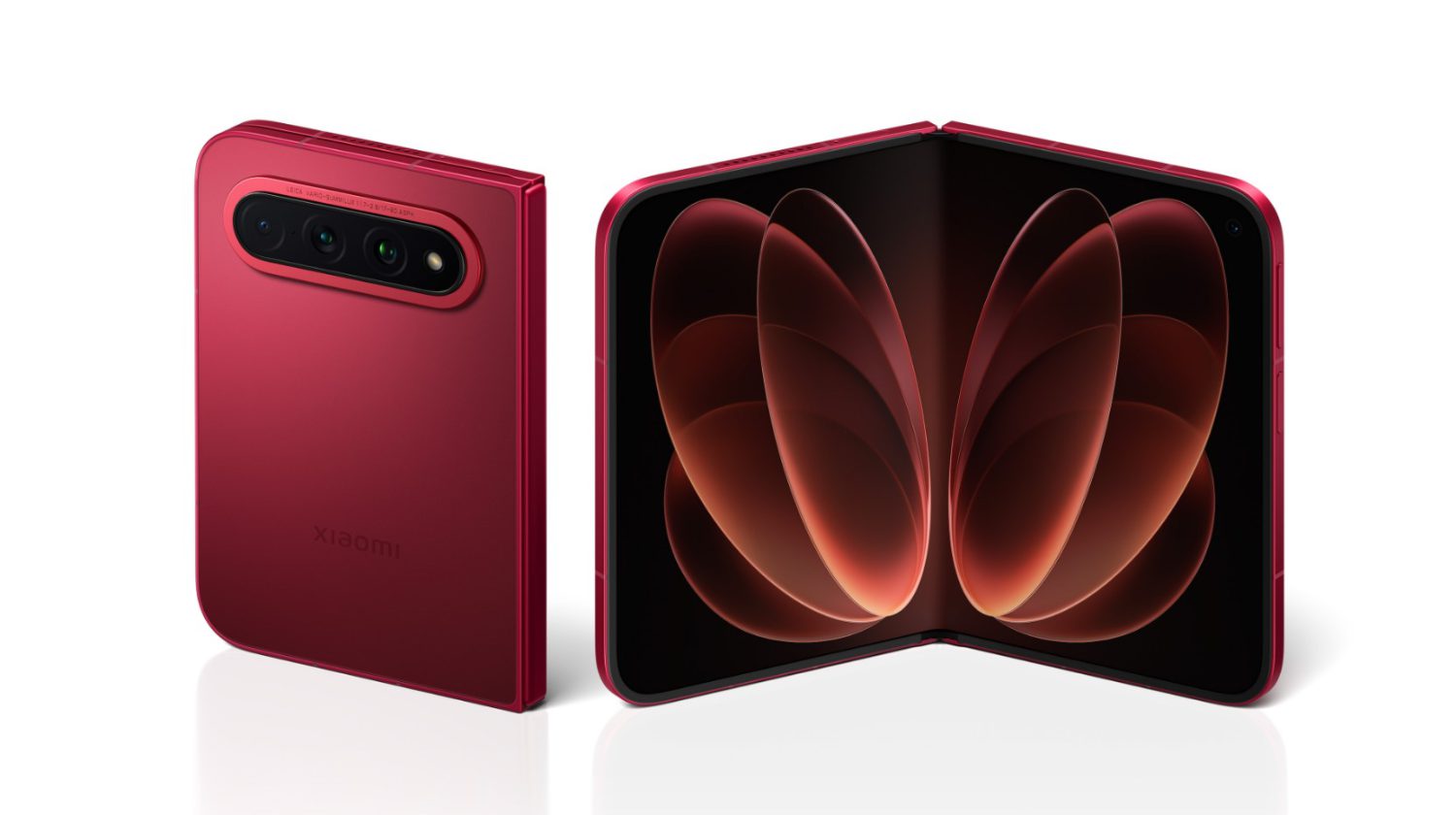
Xiaomi launched its 18 Fold in China in September 2026, two days after Apple unveiled the iPhone Duo, and the timing is hard to ignore. Both devices share a wide, short book-style silhouette that breaks from the taller foldables Samsung has championed for years. The Xiaomi starts at roughly $1,600 in China; the iPhone Duo is reported at $1,999, though those figures reflect different markets and are not a direct apples-to-apples comparison.
The clearest hardware distinction between the two is the rear camera system, and Xiaomi holds a numerical edge on paper.
Same Shape, Different DNA
These two phones land within fractions of an inch of each other across nearly every display measurement.
Side by side on a spec sheet, the two devices look like close cousins. Xiaomi’s inner display measures 7.58 inches; Apple’s is 7.6 inches. The cover screens are 5.38 inches and 5.4 inches, respectively.
According to PhoneArena, the Xiaomi 18 Fold folds to 10.68mm thick and opens to 5.02mm. It weighs 219 grams against the iPhone Duo’s reported 254 grams.
That 35-gram difference may be perceptible during extended use, though comfort also depends on hinge design and balance. Manufacturers appear to be converging on a wider foldable format rather than any single company setting the template.
Three Rear Cameras Where Apple Brings Two
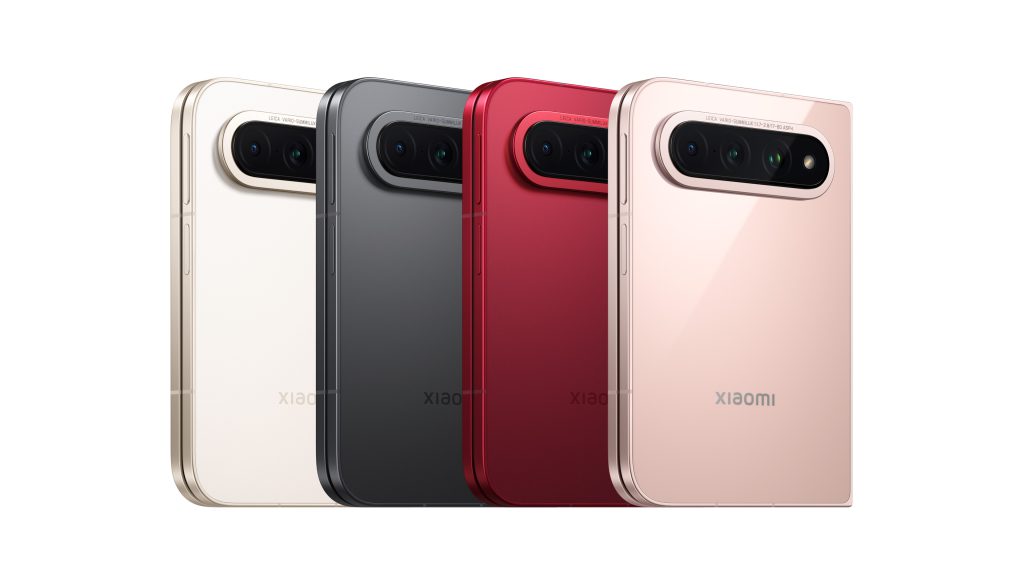
Xiaomi’s triple Leica array is the most concrete hardware advantage the 18 Fold holds over the iPhone Duo.
The 18 Fold carries a 200-megapixel Leica main camera with a 1/1.56-inch sensor, f/1.7 aperture, and optical image stabilization. It adds a 50-megapixel Leica ultrawide and a 50-megapixel Leica periscope telephoto with 3.5x optical zoom and OIS.
The iPhone Duo is reported to offer a 48-megapixel main camera and a 48-megapixel ultrawide, with no dedicated telephoto. A dedicated telephoto lens matters because it delivers optical magnification without leaning entirely on digital cropping, which degrades fine detail.
That said, megapixel counts and Leica branding establish hardware specifications, not guaranteed image quality. Independent testing has not yet confirmed either device’s real-world best cameras output.
Battery, Processor, and What the Price Actually Means
On paper, the 18 Fold edges ahead in battery capacity and RAM, but no independent benchmarks exist yet to test those advantages in practice.
Xiaomi’s XRING O3 is a 3-nanometer, 10-core chip with a 16-core GPU and an on-device AI NPU, per gizguide.com. Configurations reportedly top out at 16GB of RAM and 1TB of storage. The iPhone Duo is reported at 12GB of RAM.
The 18 Fold’s 6,000mAh silicon-carbon battery reportedly supports 67W wired and 50W wireless charging, per Xiaomi. The iPhone Duo is reported at 4,700mAh. Xiaomi claims its battery life is the largest among foldables of this form factor, though that claim awaits independent verification.
No benchmark data comparing the XRING O3 to Apple’s A20 Pro exists yet. The approximate $400 price difference is real within China, but it reflects a converted yuan price against a U.S. launch figure. Import costs, taxes, and the absence of a confirmed international release close that gap quickly, according to pcguide.com and marketingtrending.asoworld.com.
The Xiaomi 18 Fold launched for the Chinese market, and broad international availability is unconfirmed. Importing the device raises questions about Google service compatibility on HyperOS 4, cellular-band support, and warranty coverage outside China. If Xiaomi confirms international distribution with full Google service support, the 18 Fold becomes a serious wide-format contender at a lower entry price. Until then, treat the price advantage as a China-market figure, not a global one.