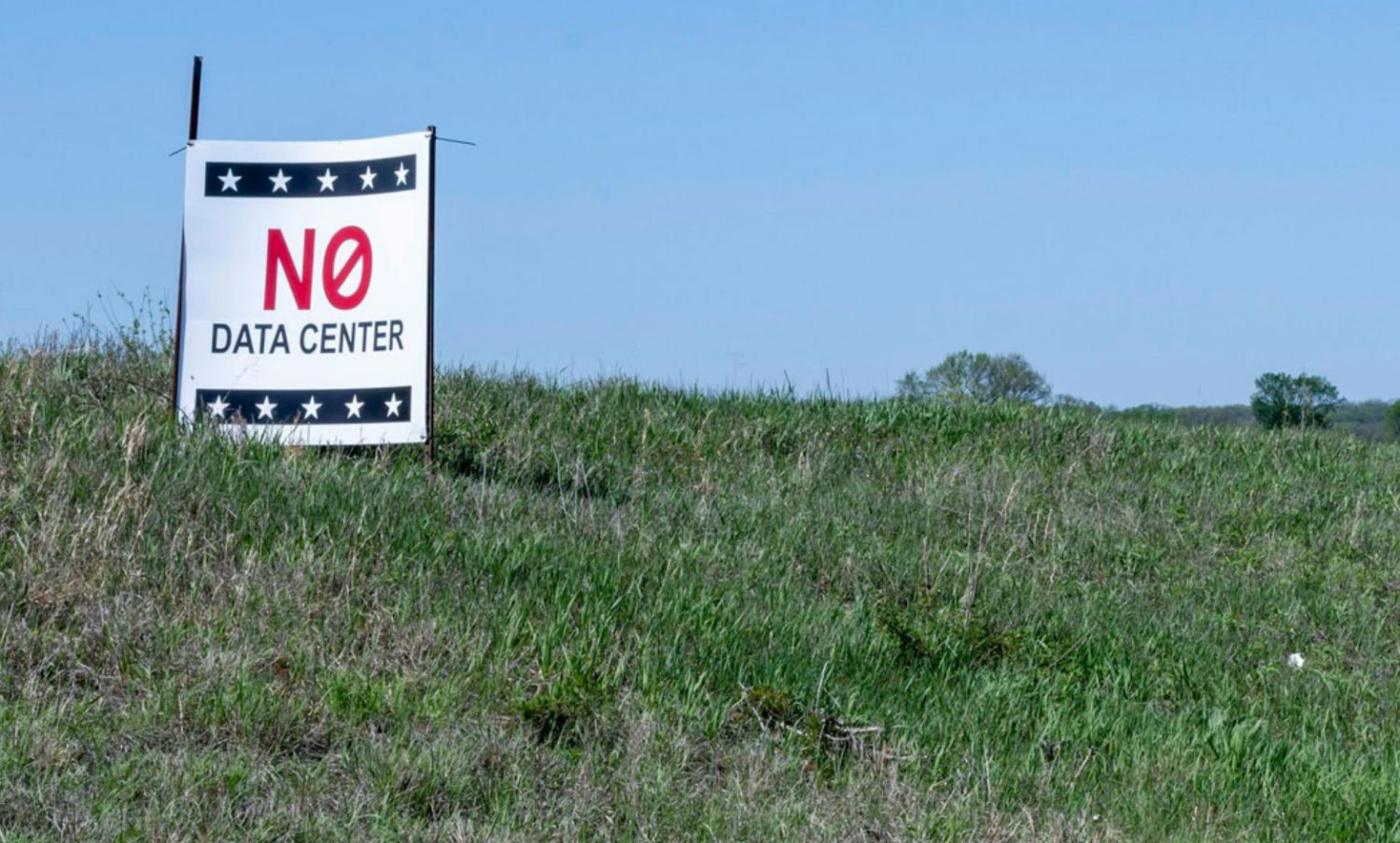
Forty-five US data-center projects worth approximately $68 billion were blocked or delayed by local opposition between April and June 2026, according to Data Center Watch, a research initiative of AI intelligence company 10a Labs. Those projects represented more than half of the large-scale developments the organization tracked during the quarter, a figure that carries weight for investors and developers monitoring where AI infrastructure spending actually lands.
Opposition Has Moved From the Margins to the Map
Community resistance to data-center development is no longer confined to isolated disputes; it now spans nearly every US state.
Data Center Watch identified 843 opposition groups spread across 49 states. Hawaii is the only state without one on its list.
The Q2 figure was lower than Q1 2026, when Data Center Watch counted 75 contested projects valued at roughly $130 billion. That quarter-over-quarter decline does not necessarily establish a retreat, since Q2 projects still accounted for more than half of the large-scale developments the organization tracked during the period.
Communities are raising several overlapping concerns:
- Grid connections, substations and transmission upgrades required to serve large AI campuses
- Water consumption at facilities large enough to place pressure on local supplies, including those using closed-loop cooling systems
- Land use, noise and the physical footprint of hyperscale construction
- Questions about who bears the cost of utility infrastructure upgrades
Legislation and Petitions Are Raising the Stakes
State lawmakers and local governments are responding to community pressure with new rules, while online organizing is extending the reach of local opposition.
Roughly 30 statehouses introduced or adopted measures addressing data-center siting, electricity use or water consumption during the period. The available reporting combines introduced legislation with enacted measures; those are materially different outcomes, and the underlying state-by-state breakdown was not independently available at publication. Some local governments are moving further, considering moratoriums before developers formally submit permit applications.
Online organizing is amplifying local disputes at a scale difficult to achieve through traditional community meetings alone. A petition opposing a proposed Tennessee project reportedly collected more than 500,000 signatures on Change.org during Q2 2026, which would account for more than one-third of all signatures collected on the platform that quarter. That figure has not been independently verified against the original petition page and should be treated as reported rather than confirmed.
Data Center Watch also expanded its tracking beyond the United States to opposition efforts in Europe, Australia, South Africa and other regions, reporting similar disputes over approvals, electricity demand and water use.
What the $68 Billion Figure Actually Means
The headline number reflects projects at risk of delay or blockage, not confirmed investment losses.
The $68 billion figure combines projects that were blocked and projects that were delayed. It does not establish that the full amount has been permanently abandoned. The available data do not show which delayed projects will ultimately receive approval and which will not.
What the figures do show is that permitting disputes appeared in more than half of the large-scale projects Data Center Watch tracked during Q2. Developers are encountering organized resistance at early stages of the approval process, and that pattern is consistent across multiple quarters of the organization’s reporting.
The Physical Reality Behind the Abstract Debate
Debates about AI’s future are now playing out in county commission meetings and state legislative hearings, not just in boardrooms and research labs.
State-level legislative activity and community opposition groups are reshaping where data-center projects can realistically be built. Regions that can offer available power, accessible water and predictable permitting frameworks are likely to hold an advantage in attracting AI infrastructure investment, though that relationship has not been directly quantified by Data Center Watch. Where that leaves communities with fewer of those resources remains an open question.