Flock Safety operates 120,000 cameras tracking cars across America, and over 5,000 police agencies have signed on without a single warrant required to log your movements.
That scale is not a future threat. It exists right now, reconstructing months of your driving history with no judge, no probable cause, and no name on a court order.
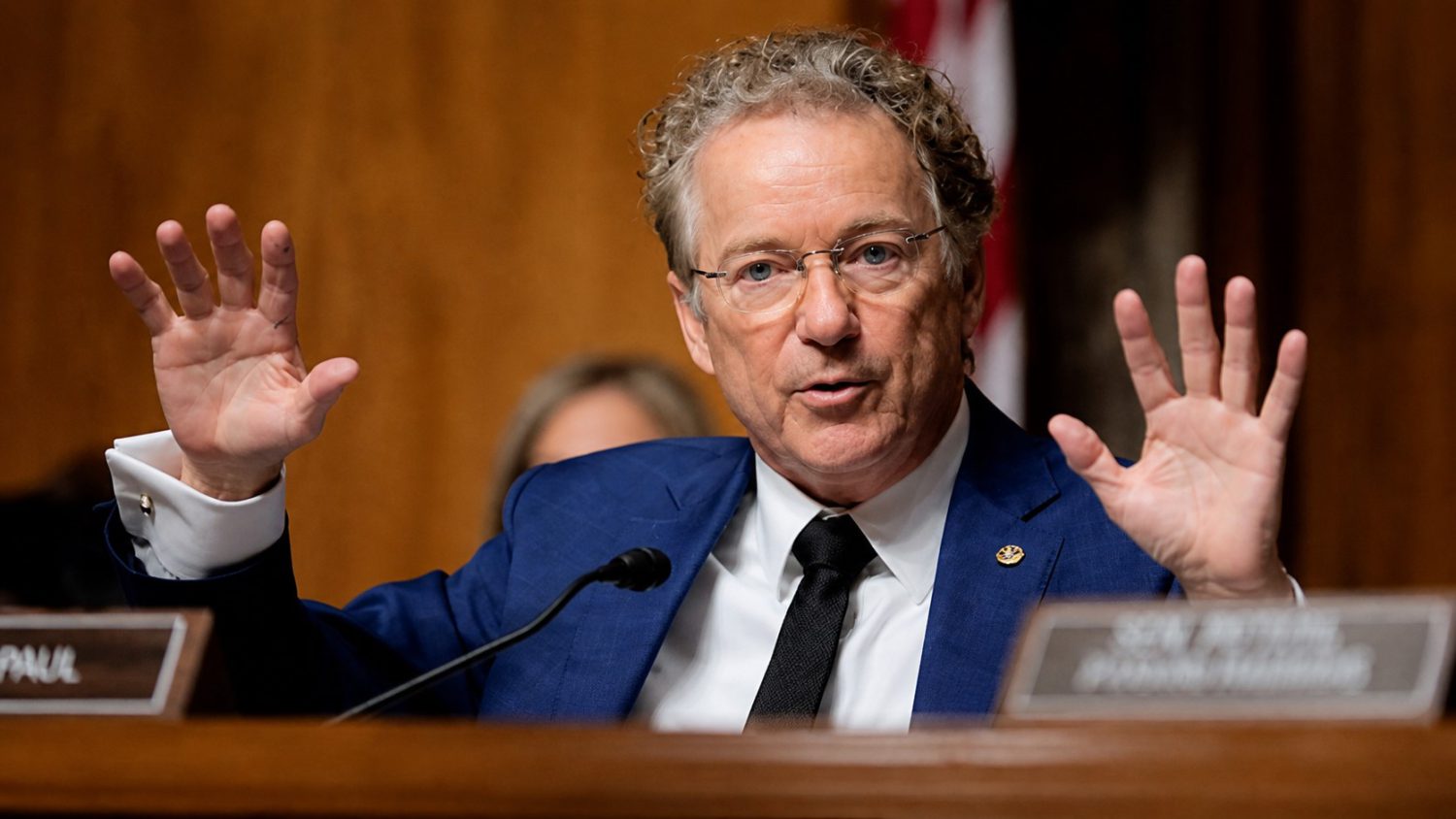
Sen. Rand Paul’s response is deliberate and, in his framing, constitutionally grounded: keep the cameras operational, but force law enforcement to obtain individualized warrants before accessing the data. Treat long-term location tracking as the search it actually is.
The Warrant Fix and Its Limits
Paul’s position reflects a decade-long legal framework, not a recent compromise, but the historical record raises hard questions about whether written rules can hold.
Paul’s stance is not a casual pivot. It spans legislation requiring warrants for drone surveillance under the Preserving Freedom from Unwarranted Surveillance Act, the Protecting Data at the Border Act targeting warrantless phone searches, and the USA Rights Act challenging Section 702 backdoor searches of Americans’ communications collected under foreign intelligence programs.
His logic is consistent, and he has stated it plainly.
“I’m not against the National Security Agency, I’m not against spying, I’m not against looking at phone records… I just want you to go to a judge, have an individual’s name and [get] a warrant. That’s what the Fourth Amendment says.” , Sen. Rand Paul, as cited in mainstream press coverage.
The problem is not the logic. The problem is the precedent.
NSA bulk metadata collection operated under secret legal interpretations for years before Edward Snowden’s disclosures exposed the full scope of the operation. Statutory limits existed, and courts nominally supervised the programs. The rules were quietly rewritten anyway, under national security justifications that never saw daylight.
Cloud-stored camera footage faces a structurally similar risk. Third-party doctrine arguments, secret legal opinions, and streamlined law enforcement request portals are not hypothetical; they are the documented pattern from the Snowden era. Writing warrant requirements into law does not automatically close those access pathways.
What Meaningful Reform Actually Requires
Warrant rules are the floor, not the ceiling, and the surveillance industry needs to start building from there.
Genuine data minimization matters more than most reform conversations acknowledge. Cameras that delete footage within 24 to 72 hours eliminate the archive that makes long-term tracking possible in the first place.
Local-only storage options remove the cloud access vector entirely, making mass government requests structurally impossible rather than procedurally inconvenient. Transparent government request portals with mandatory public reporting create accountability that secret court orders cannot.
Your doorbell camera and your city’s CCTV network raise identical questions. Multiple major consumer technology companies have secretly tracking users documented cooperation with police departments, in some cases without warrants. The architecture of these systems, not just their legal compliance posture, is what needs to change.
Paul’s support for the Police CAMERA Act demonstrates he does not oppose cameras categorically. That is a reasonable position. But relying on warrant rules to contain permanently installed surveillance app infrastructure is a bet that governments will honor paper limits even when no one is watching.
History suggests that bet does not pay out. If the surveillance industry and the legislators overseeing it treat warrant requirements as the finish line rather than the starting point, the infrastructure will outlast the rules every time.