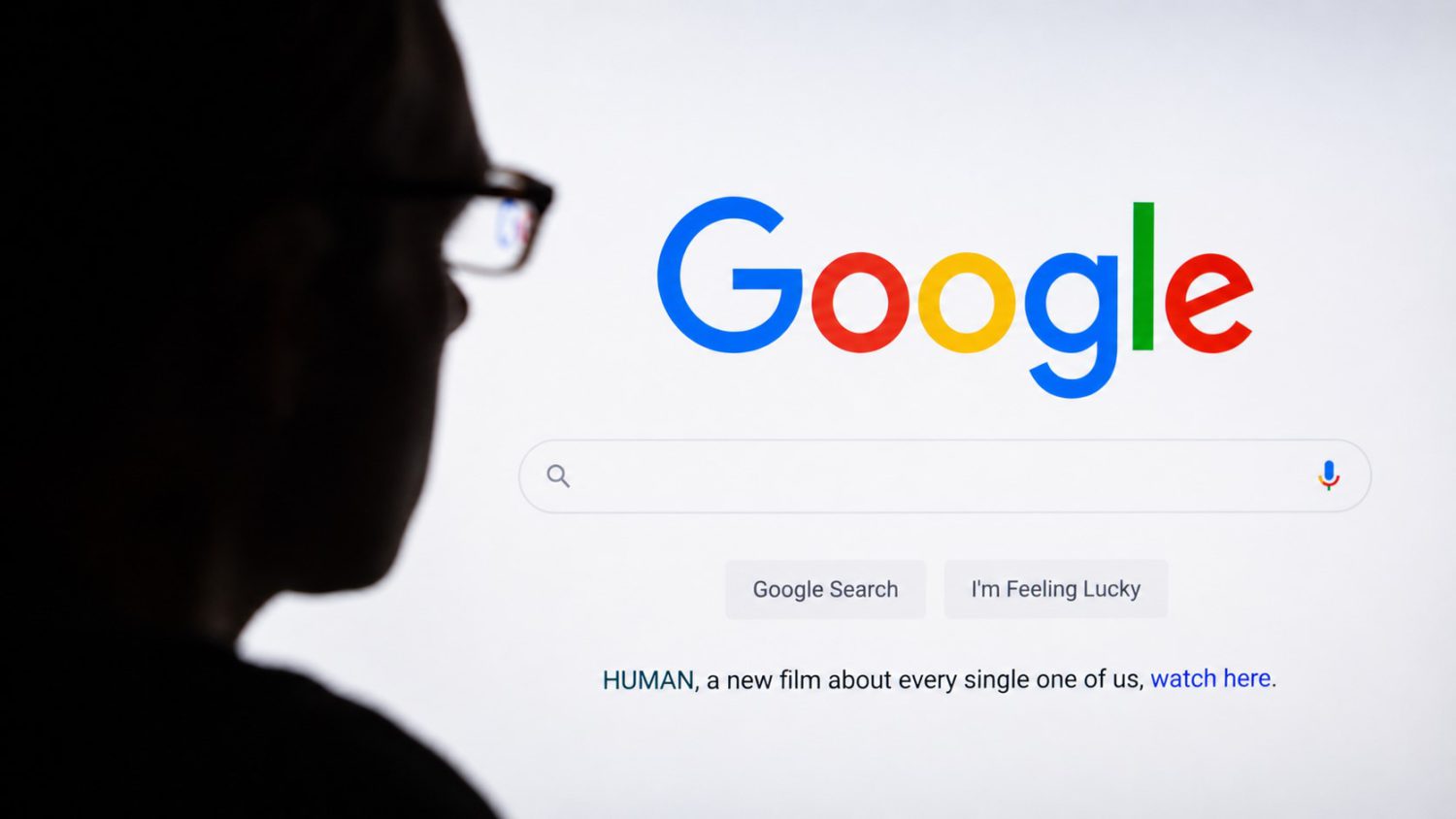
Google is now surfacing a selfie video sign-in option directly on its homepage, inviting users to enroll a short face video as a backup method for account recovery. The feature sits at the intersection of biometric data collection, age verification, and account security. Understanding what you are agreeing to before you tap “yes” or “skip” is worth a moment of your time.
What the Feature Actually Does
This is a backup recovery tool, not a replacement for the passwords and passkeys you already use.
Selfie video sign-in is not a replacement for your password, passkey, or two-step verification. According to Google’s support documentation and recent reporting, it functions as a fallback: a way back into your account if you are locked out and cannot access your usual sign-in methods. Users weighing this option should also be aware that password vaults can be compromised through 2FA exploits, underscoring the value of understanding all recovery backup methods.
Enrollment involves recording a short video while following on-screen prompts to move your head, giving Google multiple angles of your face. The process uses movement-based checks to confirm a real person is recording.
Google first introduced the feature in July 2026, framing it as a solution for users who lose access to their devices or standard verification options. The homepage prompt gives users the choice to proceed or decline.
Data Use, Privacy, and Who Cannot Enroll
Google encrypts the video by default and offers an opt-in toggle for broader data use, but the enrollment page includes a notable age-verification disclosure.
By default, Google says the recorded video is used only for sign-in verification. According to Google’s support documentation, the video is encrypted at rest and can be deleted from account settings at any time.
An optional toggle during setup lets users allow Google to use the recording for broader purposes. That data can then improve facial recognition, age estimation, and other verification methods across Google’s services, but the toggle is opt-in, not automatic.
The setup page includes a notable disclosure: the video may be reviewed to determine whether a user is old enough to access certain Google services. Concerns about how such data may be used extend well beyond a single company , a Surveillance App built to target individuals illustrates how biometric and behavioral data can be repurposed. Google has not specified which services trigger that review, per current reporting.
Not every account qualifies for enrollment. The feature is unavailable for Google Workspace accounts, child accounts, and accounts enrolled in the Advanced Protection Program, according to recent coverage.
The setup page warns that selfie video data may be used to assess whether a user is “old enough to use certain Google services,” according to recent reporting on the enrollment flow.
What This Means for Your Account
Skipping the homepage prompt is not final, and your existing sign-in methods remain unaffected either way.
Skipping the homepage prompt does not close the door permanently. Users can find the selfie video option later by navigating to Google Account, then Security, then Selfie video, or ignore it entirely without affecting existing sign-in methods.
The expansion of biometric recovery options signals that Google is building more redundancy into account access, particularly for users who rely on a single device or phone number. Whether that tradeoff is worth it depends on your risk tolerance , guidance on how to stay safe across your digital devices can help you assess that decision. The core question is straightforward: how often do you find yourself locked out?