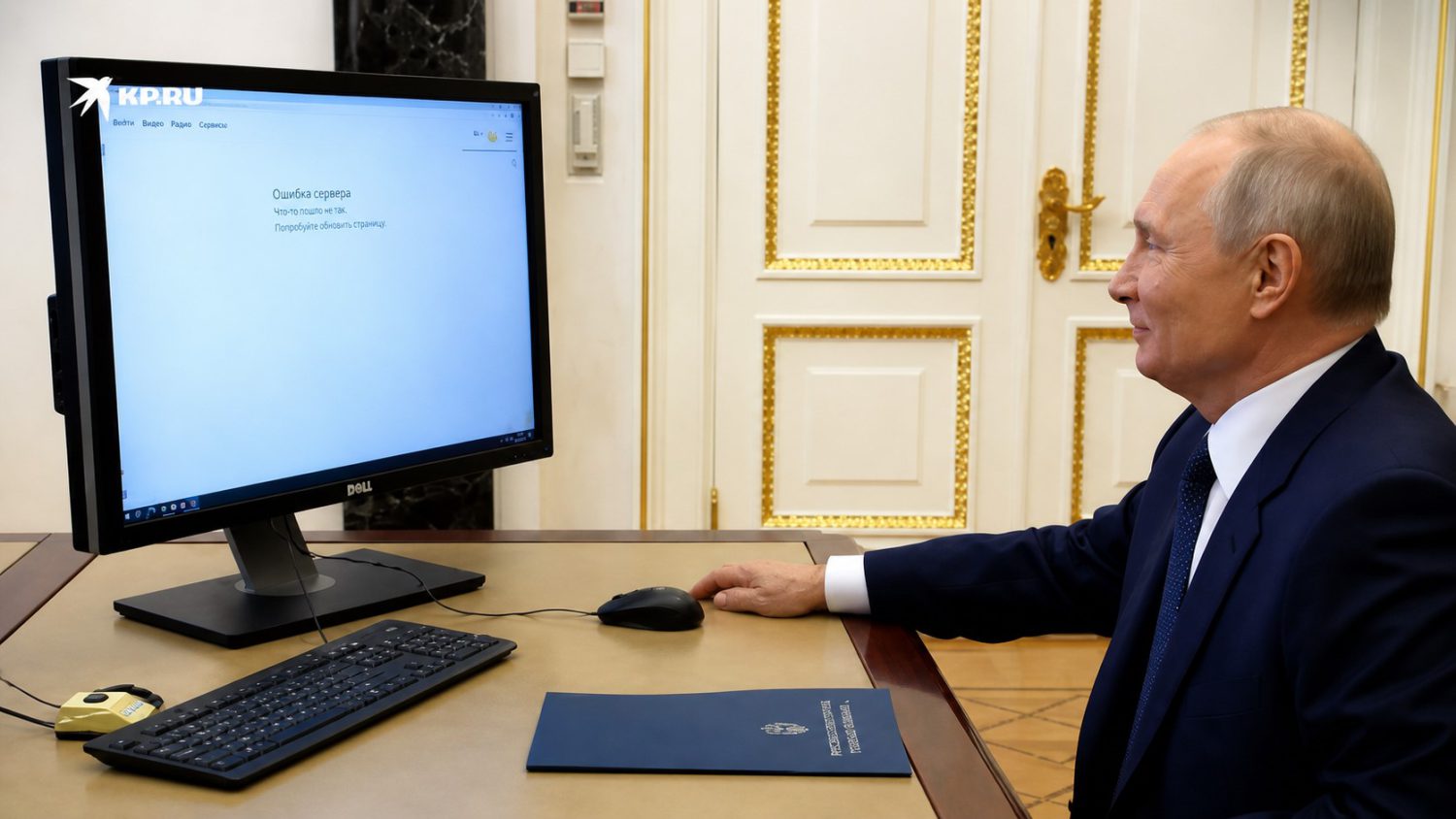
Russia’s president staged a tidy bit of political theater for the State Duma elections: Vladimir Putin, seated at a desk, navigating the online ballot, receiving his confirmation screen. Then the camera panned to the monitor, and the internet noticed something nobody at the Kremlin apparently did , a classic entry in the annals of computer problems.
Sitting in the lower-right corner of the display was the “Activate Windows” watermark, Microsoft’s persistent reminder that the installed operating system is not properly licensed. On a Dell PC. In Russia.
What That Watermark Actually Means
A single unresolved software prompt quietly stole the show from a carefully managed Kremlin production.
The “Activate Windows” overlay appears when Windows 10 or 11 has not been activated with a valid license. Microsoft lets an unactivated install run almost fully functional but plants the watermark permanently on the desktop to nudge users toward buying a key.
A legitimate Windows 11 license starts at $139, as Visegrad24 noted in a widely shared post on X: “Putin’s computer is running an unlicensed copy of Windows. In the video of his online vote, the ‘Activate Windows’ watermark is clearly visible. A legal copy of Windows 11 starts at $139.”
The watermark can appear for several reasons: activation was never completed, a trial key expired, hardware changes triggered a revalidation, or the machine lost contact with Microsoft’s activation servers. What it confirms is non-activation.
Whether that means deliberate piracy is a harder call. Journalists citing Bellingcat-affiliated reporting used the word “pirated,” per coverage by Omni.se. Technically, the footage proves the OS was unactivated, not necessarily stolen.
One plausible explanation from the coverage: the PC may have been a clean, isolated setup assembled purely for the event, which would account for both the missing activation and the generic Western hardware. That reading makes the oversight worse, not better.
The Hardware Problem Is Its Own Story
The Dell logo on that monitor raises questions that go well beyond a forgotten activation step.
The monitor in the clip bears a Dell logo, and that detail carries its own weight. Dell formally exited the Russian market in 2022 following the invasion of Ukraine. Any Dell equipment still operating in Russia is either pre-2022 legacy stock or arrived through parallel imports, the gray-market channels through which sanctioned goods re-enter restricted markets via third countries.
Regional outlets described the setup bluntly as “contraband Dell.”
That matters because Russia has spent years building a “technological sovereignty” narrative, including mandates that officials use domestically produced hardware and software. Astra Linux, Russian-built workstations, and the broader import-substitution framework exist to prevent exactly this kind of symbolic contradiction. Tom’s Hardware reported the Dell hardware and unlicensed Windows combination as a direct tension with those mandates, and the tension is hard to argue with , a dynamic that mirrors broader concerns about how Microsoft Amazon and other Western tech giants intersect with government data and sovereignty.
The Election Context Makes It Sharper
An already disputed voting event did not need an accidental tech scandal layered on top.
According to TASS, the State Duma elections were the first in which residents of Russian-occupied Ukrainian territories, including Donetsk, Luhansk, Kherson, and Zaporizhzhia, participated. That backdrop raised the production’s credibility stakes considerably , not unlike how a surveillance app can undermine the credibility of state actors when exposed , making the accidental watermark more pointed.
Observers also found a second detail to discuss: Putin squinting at the screen, leaning toward the monitor, and moving the mouse with the careful focus of someone encountering a trackpad for the first time. It had the energy of your dad trying to Venmo someone at Thanksgiving, except with geopolitical implications.
What a $139 Oversight Reveals
A carefully choreographed state media moment, designed to project authority and technological competence, got quietly undermined by one persistent desktop watermark. The Kremlin’s media team will almost certainly run a tighter checklist before the next staged event.
Whether Russia’s actual government infrastructure is any closer to genuine technological independence is a separate and considerably harder question.