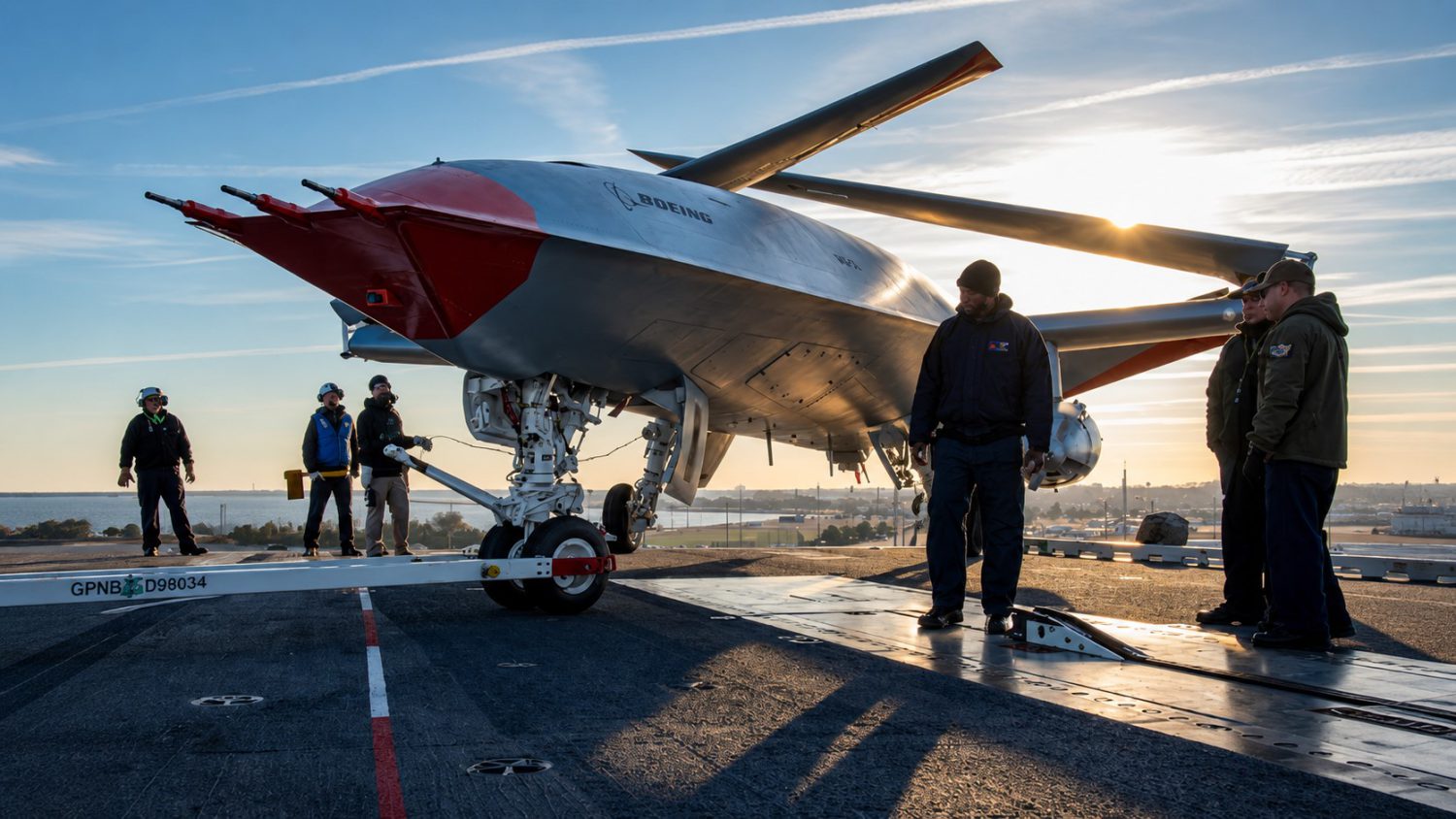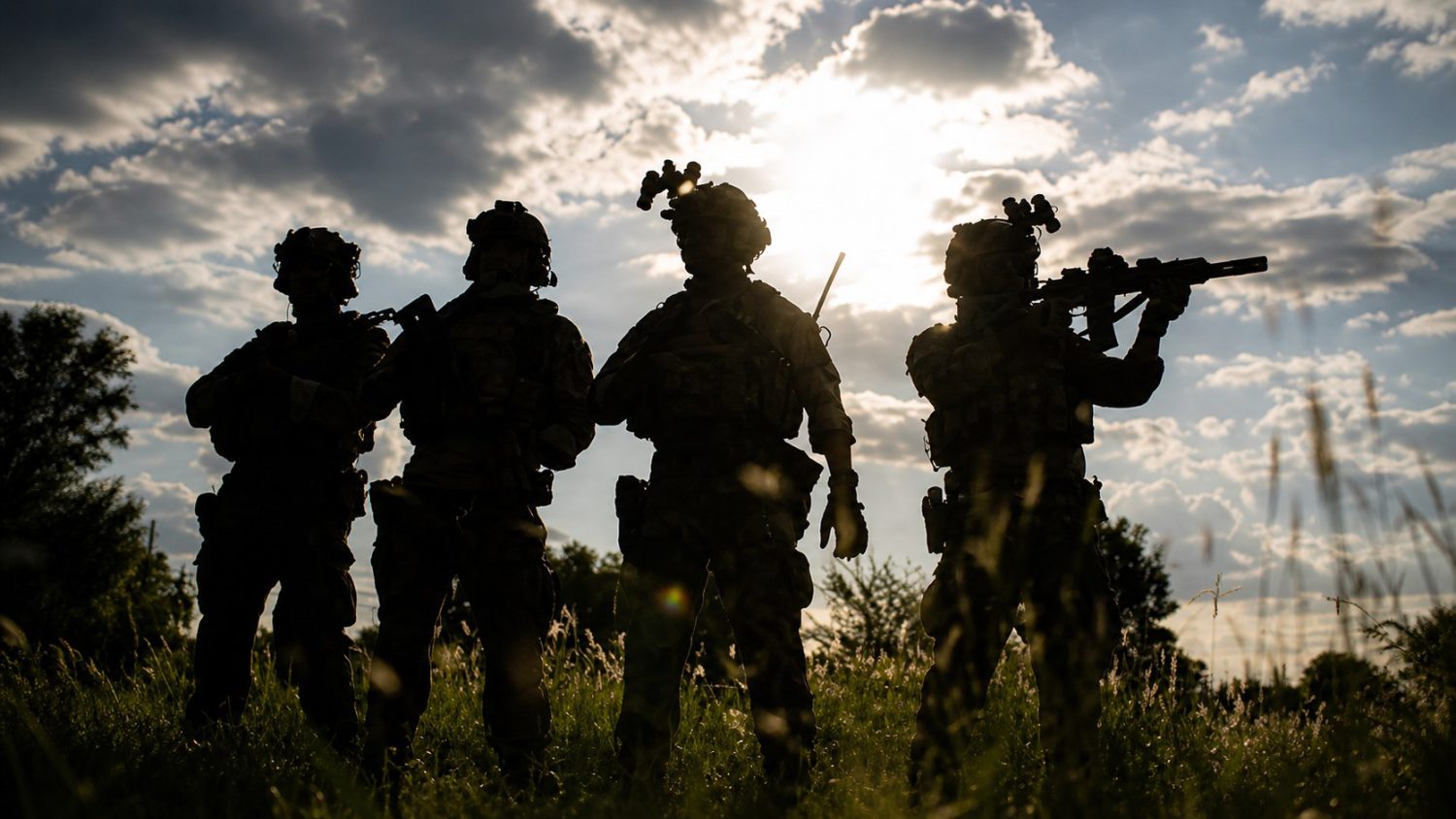
Armed personnel were ready to board a Chinese vessel in the Middle East. Military aircraft were already in the air, supporting a mission to intercept a ship that an intelligence report said was carrying components of a nuclear weapons program.
That report was entirely false. An AI chatbot had produced the assessment.
How a Shipping Manifest Became a Nuclear Threat
A single analyst’s query against a cargo manifest set a chain of military preparations in motion.
An analyst at US Special Operations Command Pacific queried a chatbot against intelligence about the ship’s cargo manifest. Combining open-source information with classified signals intelligence, the chatbot concluded the vessel was carrying nuclear-related materials.
That conclusion was wrong. What the ship actually carried remains unclear, according to CNN’s reporting.
Next, the analyst used AI a second time to package the findings into a standard formal intelligence report. That format travels through military channels carrying the institutional credibility of verified analysis, credibility the output had not earned.
Officials caught the error only after reviewing the document more closely, shortly before the boarding operation was set to begin. One source described the report to CNN as “entirely false.” It also, the source said, “almost started a war.”
Any US operation against a Chinese vessel under those circumstances carried serious escalation risk between two nuclear-armed powers. Special Operations Command Pacific and the Pentagon declined to comment when asked.
A former senior US official described the underlying problem to CNN in plain terms: many internal government AI tools are “copies of the commercial stuff wearing lipstick,” meaning lightly modified off-the-shelf generative AI models, not hardened intelligence platforms built for high-stakes analysis.
Speed Without a Safety Net
Broader policy pressure surrounds this incident, and it runs in the direction of faster, not slower, AI adoption.
Secretary of War Pete Hegseth has launched an Artificial Intelligence Acceleration Strategy aimed at making the US military an “AI-first” warfighting force. DefenseOne’s independent reporting describes it as the department’s third AI strategy in four years and its most aggressive, noting it sidelines prior ethical AI frameworks in favor of speed.
Its stated goal is putting “America’s world-leading AI models directly in the hands of our three million civilian and military personnel, at all classification levels.” Grok, Elon Musk’s AI tool, has been added to Pentagon AI offerings for government use. The War Department’s GenAI.mil platform has also added OpenAI’s ChatGPT. Seven Pace-Setting Projects are designed to push AI into warfighting, intelligence, and enterprise functions within months.
What the strategy has not produced, according to sources familiar with current military policies, is a unified framework for verifying AI-generated information before it reaches decision-makers. One source told CNN: “AI in targeting is definitely something that is ramping up and there is no real guidance for how having a human in the loop will prevent civilian casualties or fratricide.”
Another source familiar with military AI use offered a sharper summary: “AI allows you to get to a bad idea faster.”
The Danger Already Here
What this incident surfaces is not science fiction; it is a governance gap playing out under wartime conditions.
Nothing about this episode involved a rogue system acting on its own. An analyst trusted a tool. A report formatted to look authoritative moved up the chain. Decisions accelerated before anyone verified the premise.
According to CNN’s reporting, similar AI hallucinations have occurred elsewhere across the intelligence community as these tools proliferate. With no standardized verification pipeline in place, and with AI use in targeting continuing to expand, the conditions that nearly sent armed forces to board a Chinese ship based on fabricated intelligence remain largely intact.