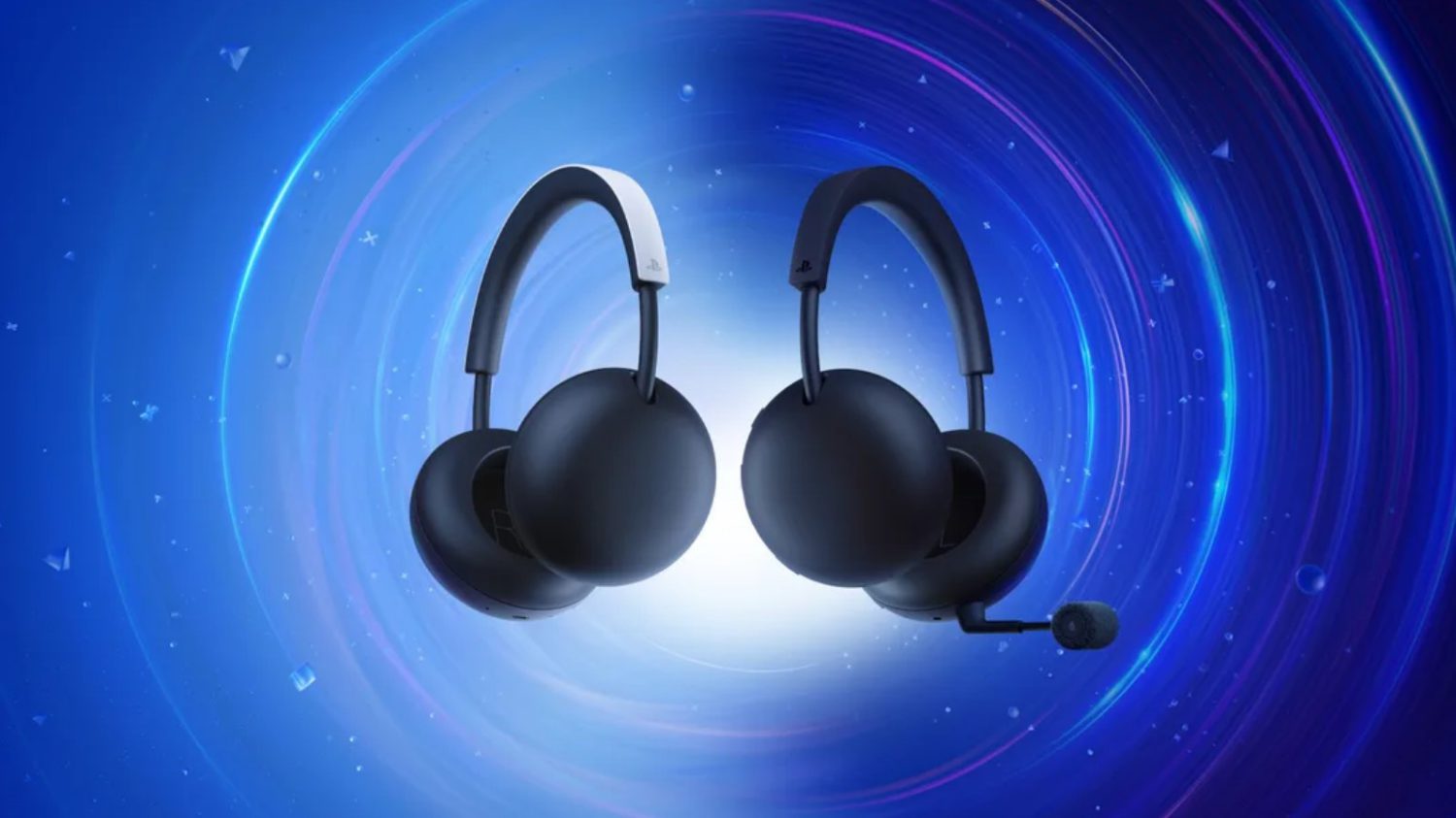
Sony has announced two new wireless headsets, the PlayStation Pulse and Pulse Edge, both built on planar magnetic drivers and PlayStation Link connectivity. The new models extend the formula Sony introduced with the Pulse Elite in 2024.
Which model fits your setup depends entirely on which features you’re willing to pay for.
What Planar Magnetic Actually Means for Your Game Audio
Planar magnetic drivers offer a technical edge for competitive gaming, and Sony is building its entire new lineup around them.
Unlike conventional dynamic drivers, which push sound through a cone, planar magnetic drivers move audio across a thin membrane. The result is lower distortion and sharper imaging of directional cues.
Sony says both headsets are designed to help players pinpoint directional audio like footsteps in first-person shooters, according to the official PlayStation blog.
“Larger planar drivers have been added to PlayStation Pulse and Pulse Edge headsets, creating fuller, deeper bass, while keeping the clean sounds players have enjoyed from Pulse Elite,” the PlayStation blog states.
Sony’s acquisition of Audeze seeded this engineering direction. The company has now built two successive generations of PlayStation headsets around planar magnetic technology.
Pulse vs. Pulse Edge: The Key Differences
Both headsets share a strong foundation, but the Pulse Edge pulls ahead on every premium specification.
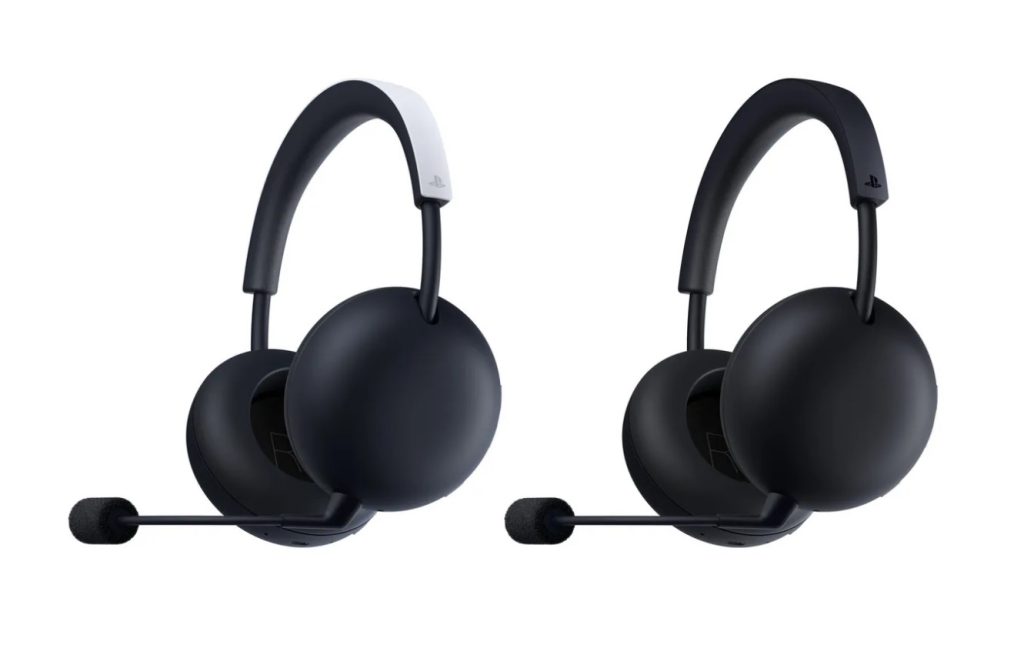
Both models share a core feature set, but the Edge adds meaningful upgrades at each tier. Here is where the two models diverge:
- Both include planar magnetic drivers, PlayStation Link wireless, Bluetooth support, and AI-enhanced microphone noise rejection
- The Pulse Edge features double the magnet volume of the standard Pulse, which Sony says delivers richer, deeper bass response
- Active noise cancellation is exclusive to the Pulse Edge
- The Pulse Edge adds a detachable boom mic; the standard Pulse relies on an integrated mic only
- The Pulse Edge includes a carrying case, an audio/microphone jack, and a built-in game audio/chat balance dial for PS5
If mic quality and noise cancellation matter to you, the standard Pulse is not the headset you want.
The PlayStation Ecosystem Play
PlayStation Link connects both headsets across Sony’s device family, and this launch extends that infrastructure rather than rebuilding it.
PlayStation Link is the connective tissue for both models. Each headset switches seamlessly between PS5, PlayStation Portal, PC, and Mac, with Bluetooth available as a fallback for other devices.
Sony has been building this cross-device audio infrastructure since the 2024 Pulse Elite launch. This announcement extends that ecosystem rather than replacing it.
On the Edge’s driver hardware, the PlayStation product page states: “Double the magnets in the planar drivers deliver vibrant sound with fuller, deeper low-end bass, rich, layered audio for gaming and entertainment.”
Exact pricing for both models has not been confirmed, though the Pulse Edge is expected to carry a higher price tag. For context, the Pulse Elite currently retails at $149, and Sony’s Audeze Maxwell 2, unveiled at CES 2026, carries a $329 price tag. Sony has said the Pulse will launch in select markets during the 2026 holiday season, with the Pulse Edge following in early 2027; detailed pricing and preorder information have not yet been released.
What This Means for Your Next Headset Decision
The feature split between these two models makes the buying decision straightforward, if not always easy on the wallet.
If Sony’s best spatial audio hardware is your target, the Pulse Edge is the model to watch once confirmed pricing arrives. Sony appears to be building a durable two-tier premium audio lineup, using planar magnetic drivers as its primary differentiator against the broader video games headset market.