Evan Meyer, 24, of Oviedo, Florida, was arrested on three felonies after cutting down a police surveillance camera with garden shears. The camera was a plastic shell printed at home by an officer on a personal 3D printer, worth next to nothing. The state attorney’s office has since filed updated charges acknowledging the damage at $200 or less, and all three felonies are gone.
A Sting Built on Filament and Assumptions
A series of real camera thefts led Oviedo police to deploy home-printed decoy units, setting the stage for an arrest built on a contested valuation.
Between July 23 and August 3, 2026, real Flock Safety automated license plate reader cameras along Lockwood Boulevard in Oviedo were stolen or vandalized. Flock units are networked ALPR devices that capture and process license plates through a cloud-based system. They cost roughly $800 per unit plus installation, according to Oviedo officials cited by WESH and TechSpot.
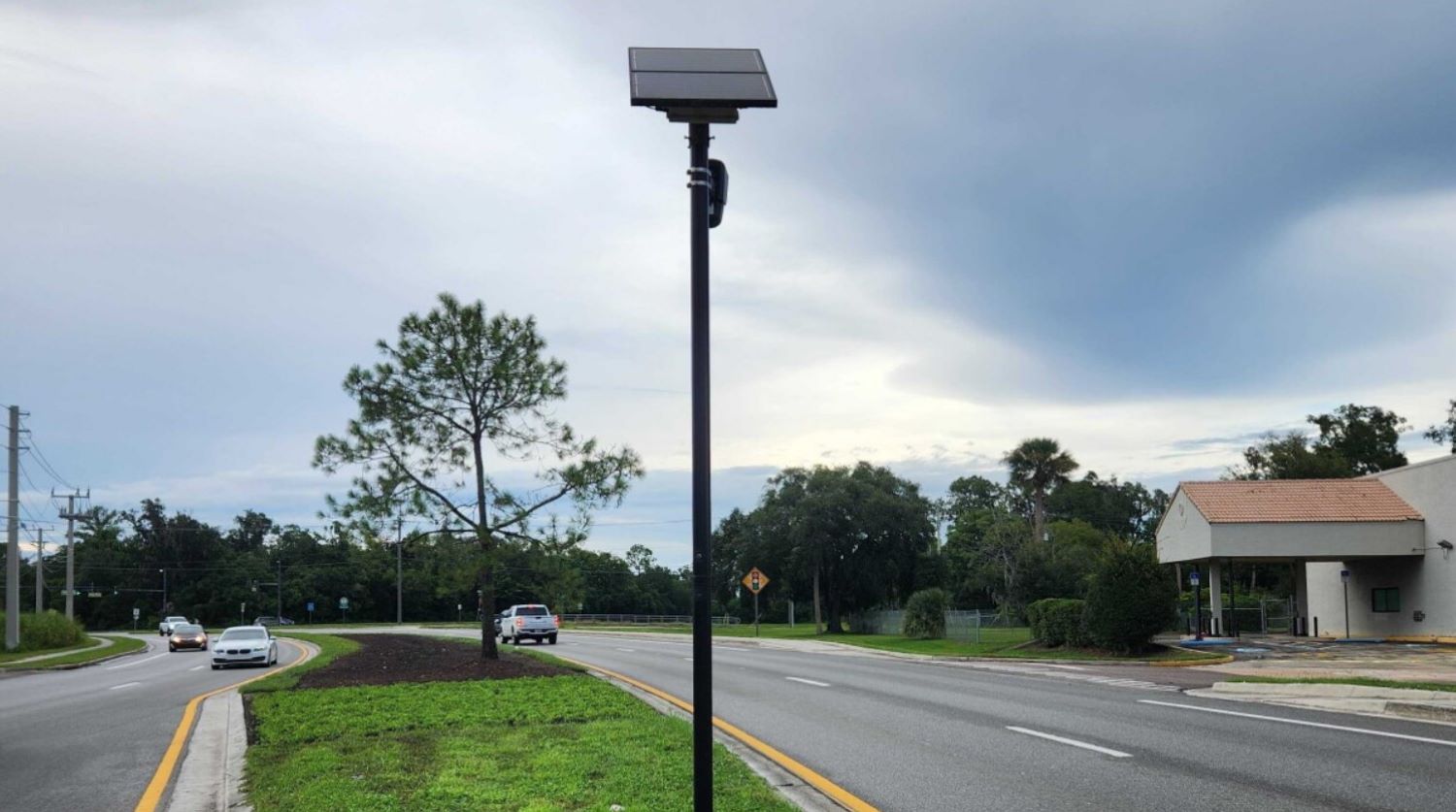
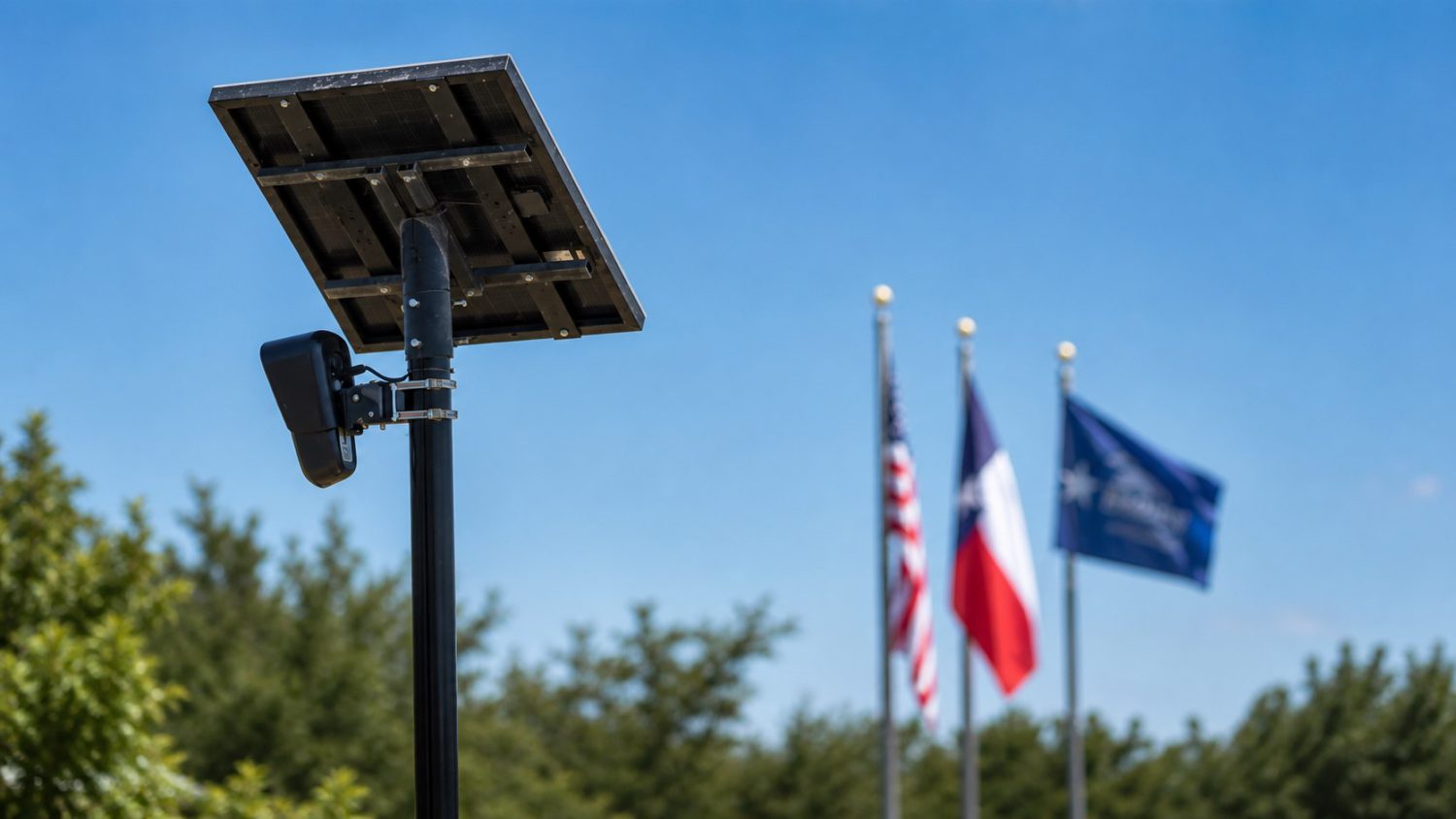
To catch whoever was targeting them, an Oviedo officer printed replica camera shells at home and donated them to the department. “The decoy FLOCK camera was produced by an officer at their home using their personally owned 3D printer and donated to the agency,” the Oviedo Police Department told 404 Media. The decoys had no sensors, no computing hardware, and no data collection capability.
On August 20, police monitored one of those decoys. Meyer, dressed in black with gloves and a mask, used pruning shears to knock it off its pole and smashed it. Officers arrested him at the scene.
Three Felonies, One Plastic Shell
The original charging theory rested not on the decoy’s actual cost but on what Meyer reportedly believed a real Flock camera would cost to replace.
The original charges were serious: destruction of computer equipment, criminal mischief for damage valued over $1,000, and grand theft of property valued between $750 and $5,000. According to 404 Media’s reporting on the arrest documents, the state relied on Meyer’s own estimate. He believed a real Flock camera would cost $1,000 to $5,000 to replace.
Florida’s property-crime thresholds made that assumption load-bearing:
- Damage over $1,000: felony criminal mischief
- Damage $200 or less: second-degree misdemeanor criminal mischief
- Theft $750 to $5,000: grand theft (felony)
- Theft under $750: petty theft (misdemeanor)
Charge someone based on what they thought they broke rather than what they actually broke, and the numbers work. Until someone asks for documentation.
The Paperwork That Did Not Exist
Reporters seeking records on the decoy’s design and cost found nothing, because the device was built and donated outside any formal procurement process.
Reporters sought records on the decoy’s design and cost. Oviedo police confirmed there were no emails, texts, meeting minutes, or procurement records, since the device was fabricated and donated privately. The department cited an ongoing criminal investigation as justification for withholding further details.
Oviedo’s mayor told WESH she had no prior knowledge the surveillance app operation was underway before Meyer’s arrest. Police Chief David Coleman defended the tactic, telling WESH that “one of our officers has access to a 3D printer and devised a way to create a camera that closely resembles a license plate reader.” Coleman argued the approach saved taxpayers money by deterring vandalism of real units.
What the State’s Own Filing Concedes
The updated charging language tells the story plainly: a “decoy pole camera,” damage of $200 or less, and no remaining felonies.
An assistant state attorney subsequently filed updated charges. The new language explicitly names the object as a “decoy pole camera” and pegs the damage at $200 or less, the lowest bracket under Florida law. Criminal mischief drops to a second-degree misdemeanor, and the theft count becomes petty theft of property valued under $750.
All three original felonies are gone, according to 404 Media’s reporting on the updated filing. A cheap plastic shell, printed on a home machine, came within a filing decision of sending someone to trial on three felonies. What changed the outcome was a straightforward question: how much did the thing actually cost?