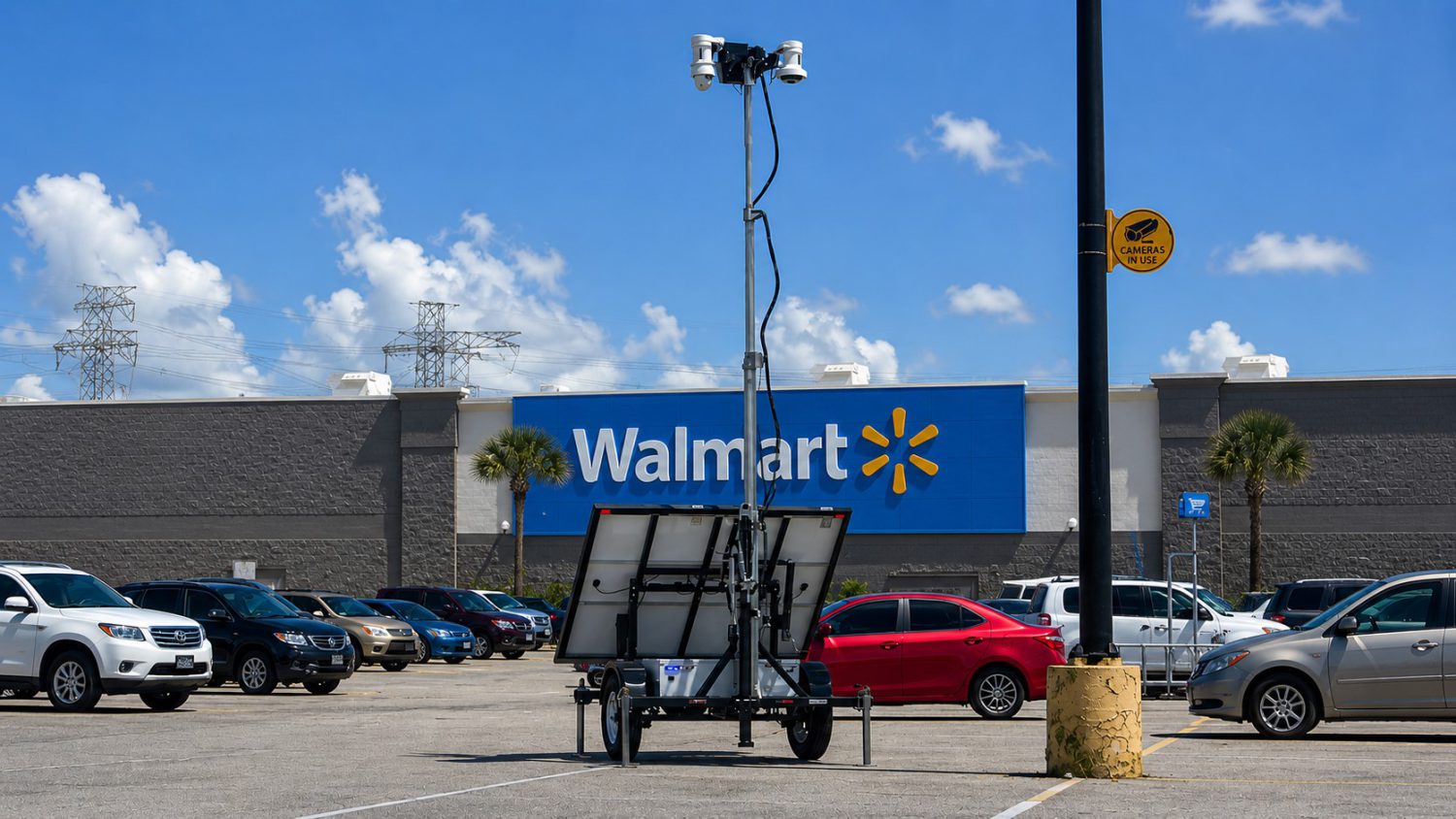
At many Walmart parking lots, a camera is likely reading your license plate, logging your vehicle’s make, model, and color, and storing that data for up to 60 days. Walmart’s own ALPR Privacy Notice, updated February 16, 2026, confirms the company operates automated license plate reader systems “on our properties, where permitted by law.” A whistleblower claim circulating online goes further, alleging that all exterior cameras are being converted to ALPR capability. That part is not supported by verified evidence.
The Surveillance Infrastructure Already in Place
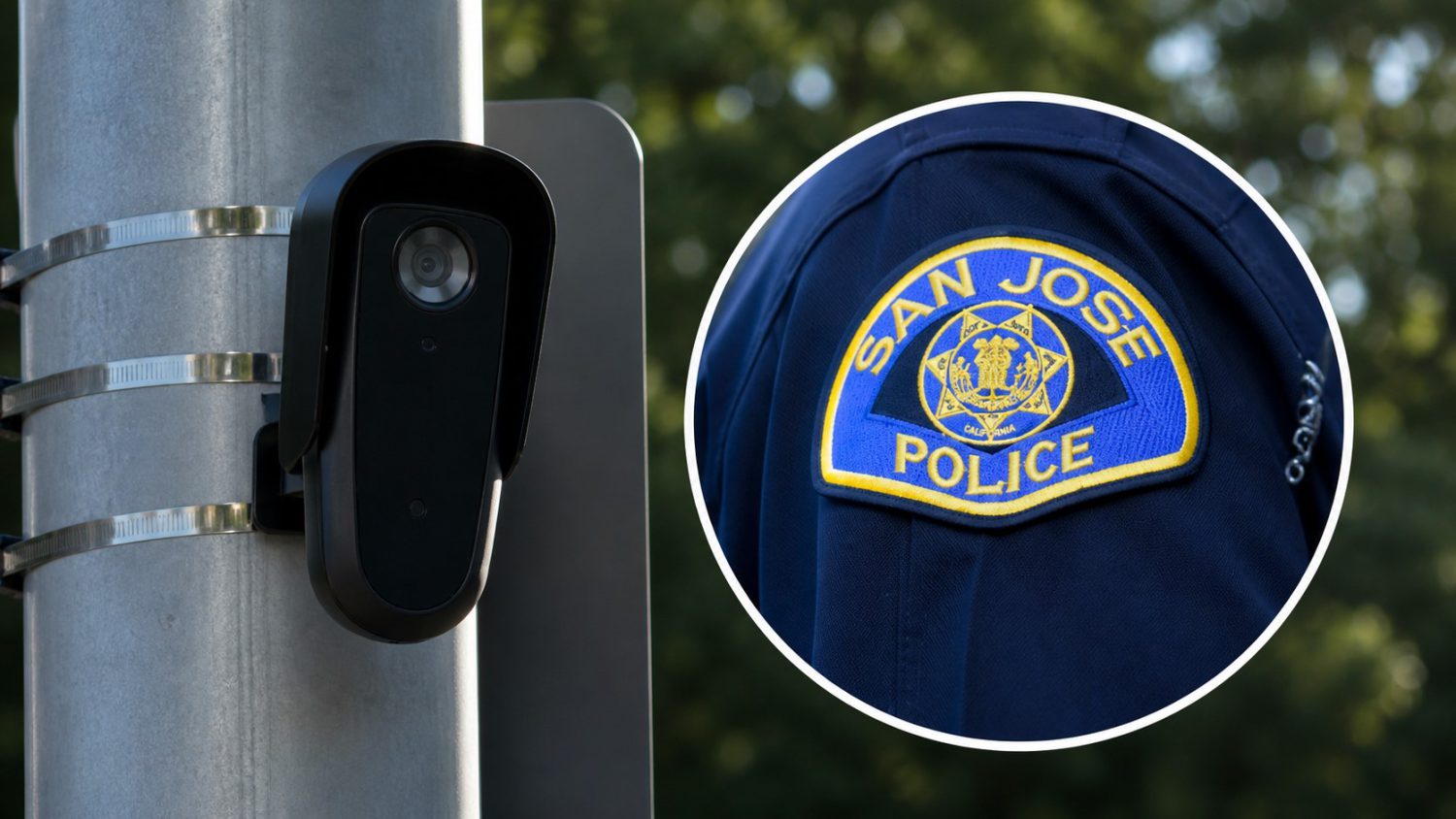
Flock Safety and LiveView Technologies cameras are deployed at parking lot entrances and exits at Walmart locations. These systems capture plate characters, vehicle make, model, and color. They also log time and location metadata, feeding searchable databases that law enforcement can access. According to reporting by The Sun, every law enforcement agency in the U.S. except those in Alaska can query Flock’s network.
Walmart’s notice states the company retains ALPR data for 60 days, with extensions permitted for legal proceedings or safety purposes. That retention window sits between Target’s 30 days and Costco’s roughly 180 days, according to Government Technology’s reporting on retailer ALPR policies.
Where the Whistleblower Claim Outpaces the Evidence
The assertion that Walmart is converting all outside cameras to ALPR is unverified. A class-action investigation by Ahdoot Wolfson describes cameras at ingress and egress points of “certain store parking lots.” A wholesale conversion of all exterior cameras is not supported by verified evidence, and loss-prevention accounts note that many standard outdoor cameras still lack plate-reading capability unless manually zoomed.
California’s ALPR Privacy Act carries statutory damages of $2,500 per violation, and Walmart’s program is already under class-action investigation there. Florida moved to ban Flock cameras on state roads, but that order left private-property deployments, including retail parking lots, untouched.
What Shoppers Should Know
What Walmart has confirmed is already consequential: at locations where ALPR is deployed, your plate, vehicle details, arrival time, and store location are captured and stored. What once required a court order now happens automatically, as routinely as a toll-road scanner logging a commuter’s morning drive. Privacy advocates warn that parking-lot ALPR is most likely a foundation for more granular shopper tracking, not the ceiling.