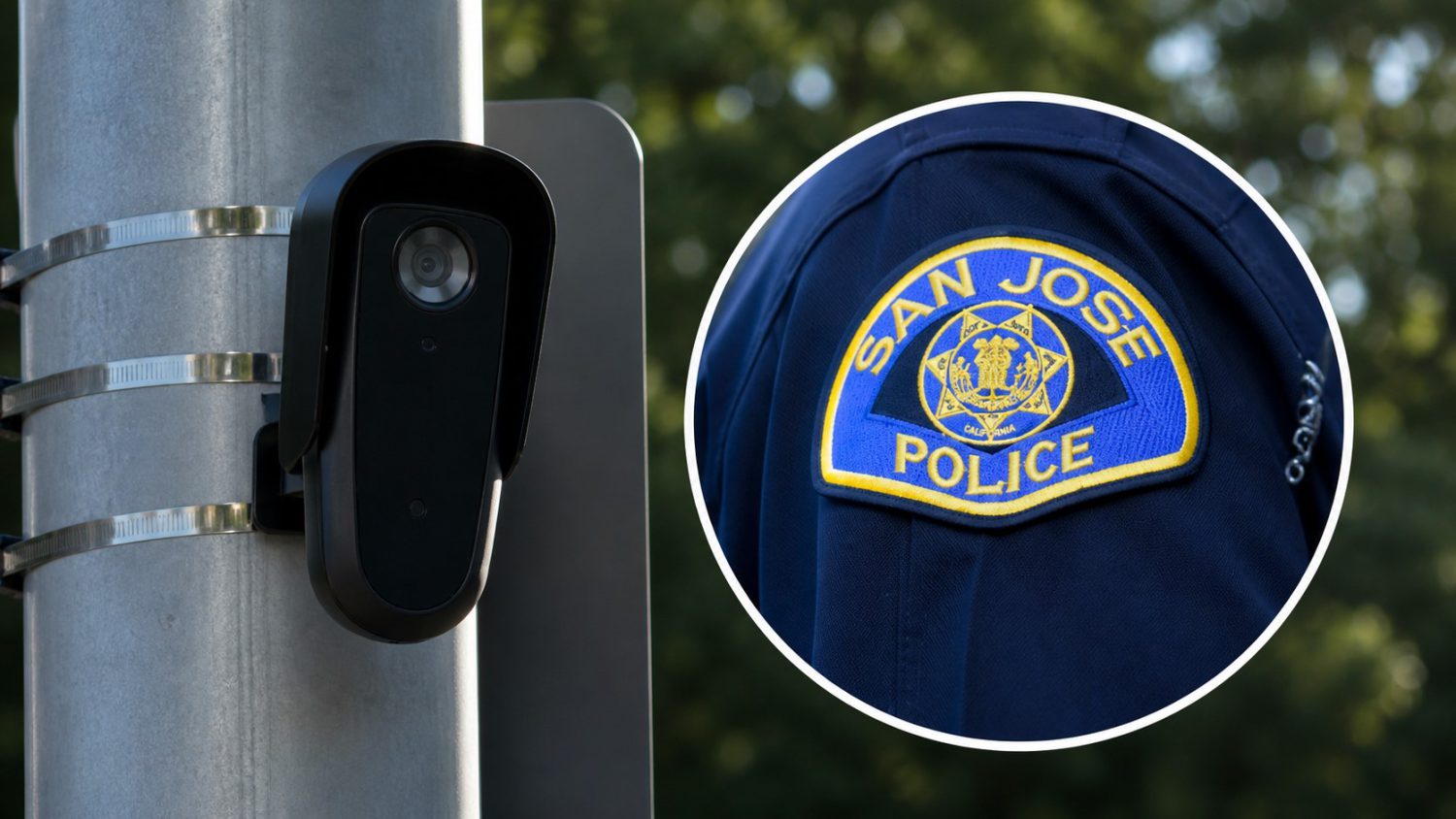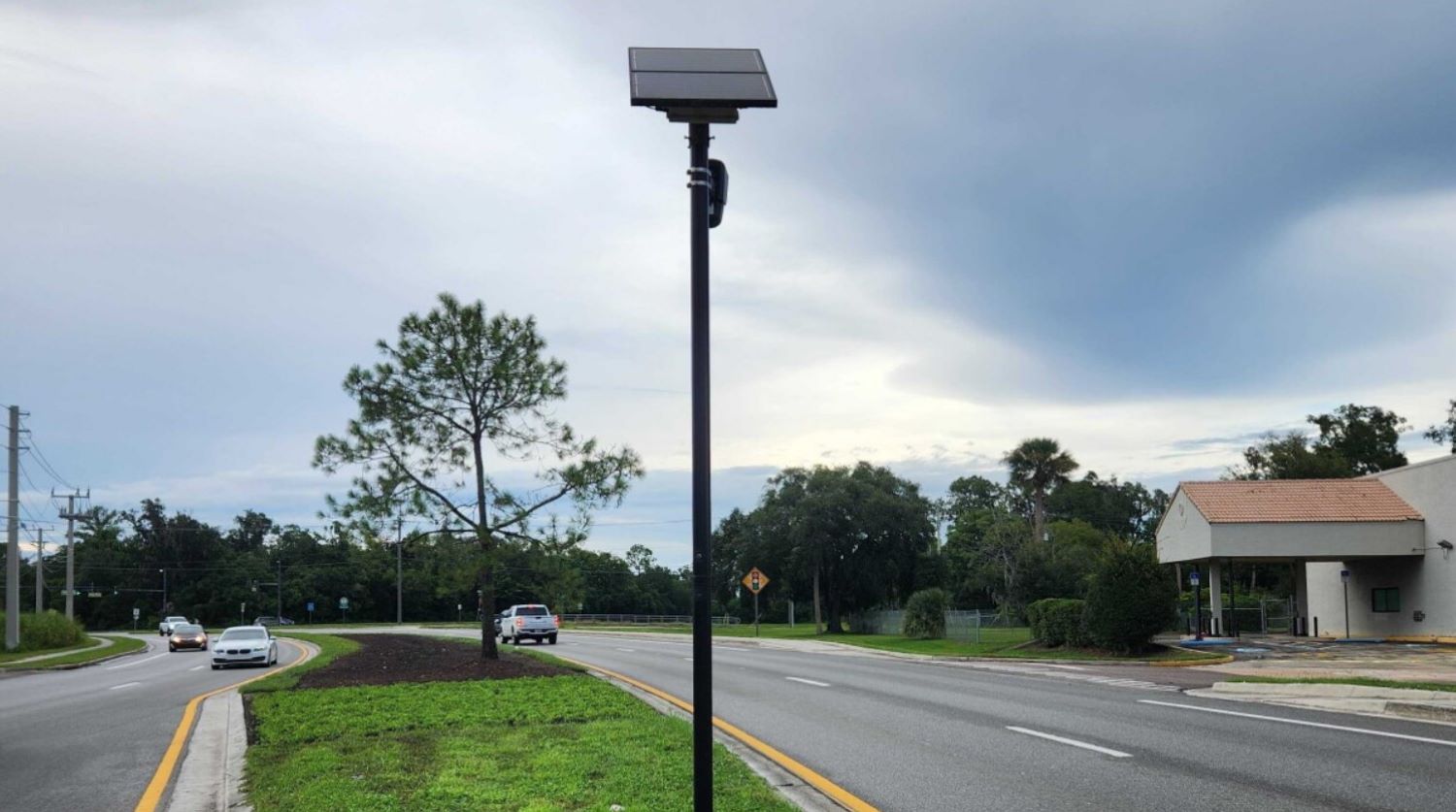
In February 2024, Iraq War veteran Steven Melvin, 42, pulled into his Lake Wylie apartment complex and was met by Deputy Kyle Brogden with his weapon drawn and aimed directly at him.
A Flock Safety license plate reader had flagged Melvin’s black BMW sedan as a stolen vehicle. The camera misread one letter on his South Carolina tag, matching it to a stolen dark-colored BMW.
Brogden ordered Melvin to kneel with his hands over his head. He remained there for more than five minutes while deputies awaited backup and verified his information.
Melvin was not driving a stolen car. Deputies confirmed that, released him at the scene, and issued a verbal warning for a tinted license plate cover, which Melvin removed on the spot. No charges were filed.
Melvin filed a federal lawsuit. Now the sheriff wants it dismissed.
The Legal Fight
The sheriff’s office calls it a reasonable mistake; Melvin’s attorneys call it a constitutional violation.
On June 29, 2026, Melvin filed suit in York County Court of Common Pleas, alleging negligence, gross negligence, false imprisonment, assault, negligent infliction of emotional distress, and federal civil rights violations under 42 U.S.C. § 1983 for unreasonable seizure and excessive force. The York County Sheriff’s Office subsequently removed the case to federal court in South Carolina, where no trial date has been set.
Sheriff’s attorneys David Holler and Ross Campbell filed to dismiss, arguing in court filings as reported by the Herald Online that “a mistake of fact leading to a seizure under the Fourth Amendment does not amount to a Constitutional violation.” Their position: deputies acted reasonably on a credible automated alert.
A November 2024 internal affairs review by Capt. Lee Stoneburner reached the same conclusion, finding Brogden’s actions “reasonable” and attributing the misread to Melvin’s tinted plate cover.
That explanation carries a complication. Internal records cited in court filings show Flock cameras had correctly read the same license plate 13 times before the stop in question.
Flock Safety’s public position adds another layer. The company describes its cameras as “highly accurate,” characterizes wrong hits as “rare,” and states that alerts should be treated only as investigative leads requiring independent officer verification before any serious enforcement action.
Melvin’s lawsuit centers precisely on whether that verification step happened.
Broader Fallout
12,000 Facebook comments, vandalism arrests, and a proposed county ban signal how far the backlash has reached.
After the Herald Online reported on the lawsuit, York County Sheriff Tony Breeden released a video defending Flock cameras. It drew more than 12,000 comments on the sheriff’s Facebook page.
Breeden told WFAE that “these things are only used to catch criminals in the act of committing the crime.”
Petitions calling for removal of Flock cameras in York and Chester counties surpassed 2,000 signatures, citing Melvin’s case directly. At least two Rock Hill teenagers were arrested for damaging Flock cameras.
In Oconee County, the County Council passed a first reading of a measure to ban the cameras outright. Nationally, some officers have been fired or criminally charged for misusing Flock systems beyond policy limits, according to the Charlotte Observer.
With elections approaching, the technology has become a campaign issue across multiple jurisdictions, including York County.
What Comes Next
The federal court’s ruling on the dismissal motion could set a meaningful precedent for how AI-triggered stops are judged under the Fourth Amendment.
No trial date has been scheduled. The court’s decision on whether to dismiss will determine whether a law enforcement agency’s reliance on an automated alert, later proved wrong, can constitute reasonable grounds for a high-risk stop under existing constitutional standards.