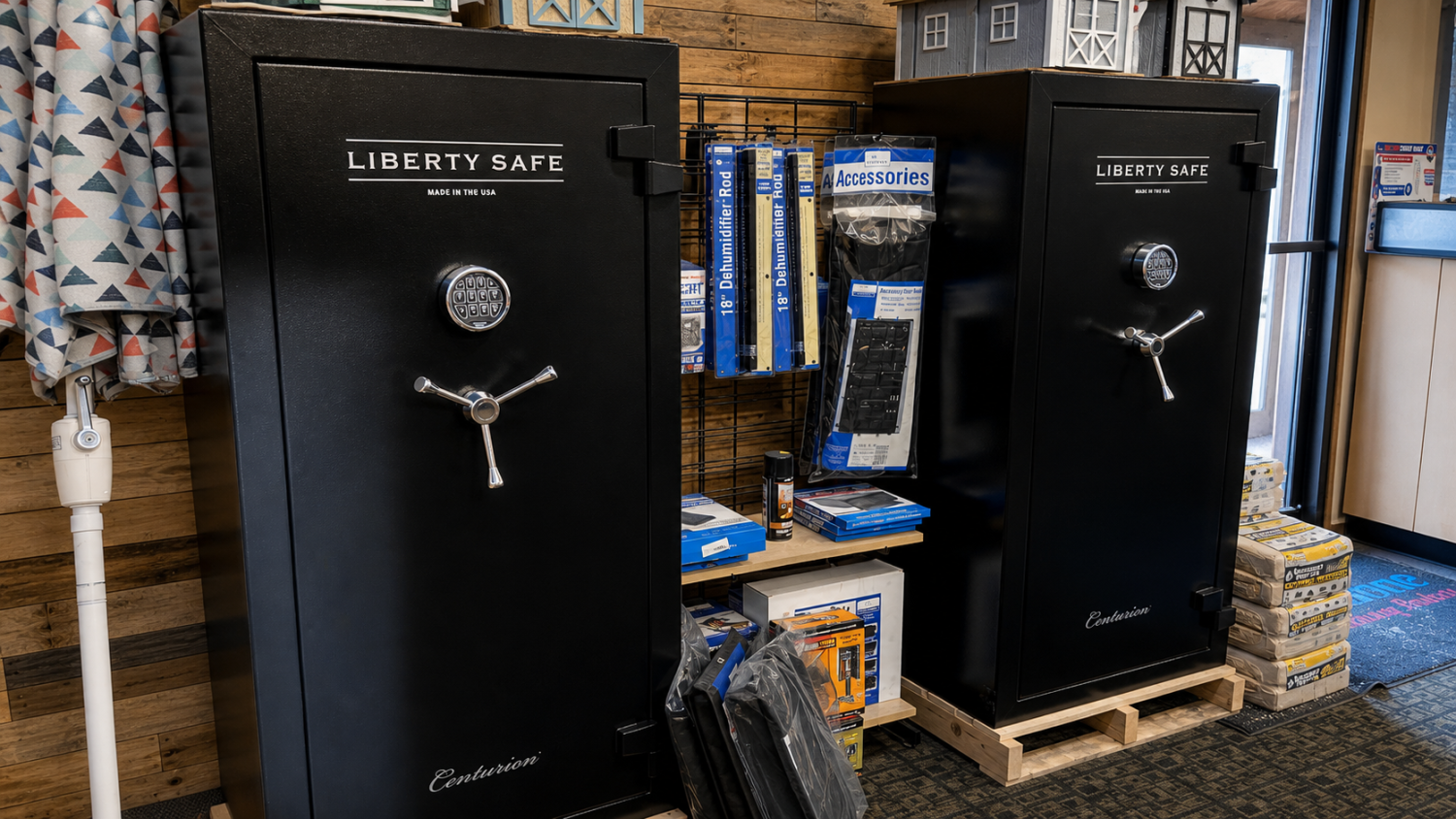
Your Liberty Safe has a combination only you know. That’s what you assumed. That assumption was wrong. If you’ve been following stories about surveillance app deployments targeting citizens without their knowledge, this story will feel familiar.
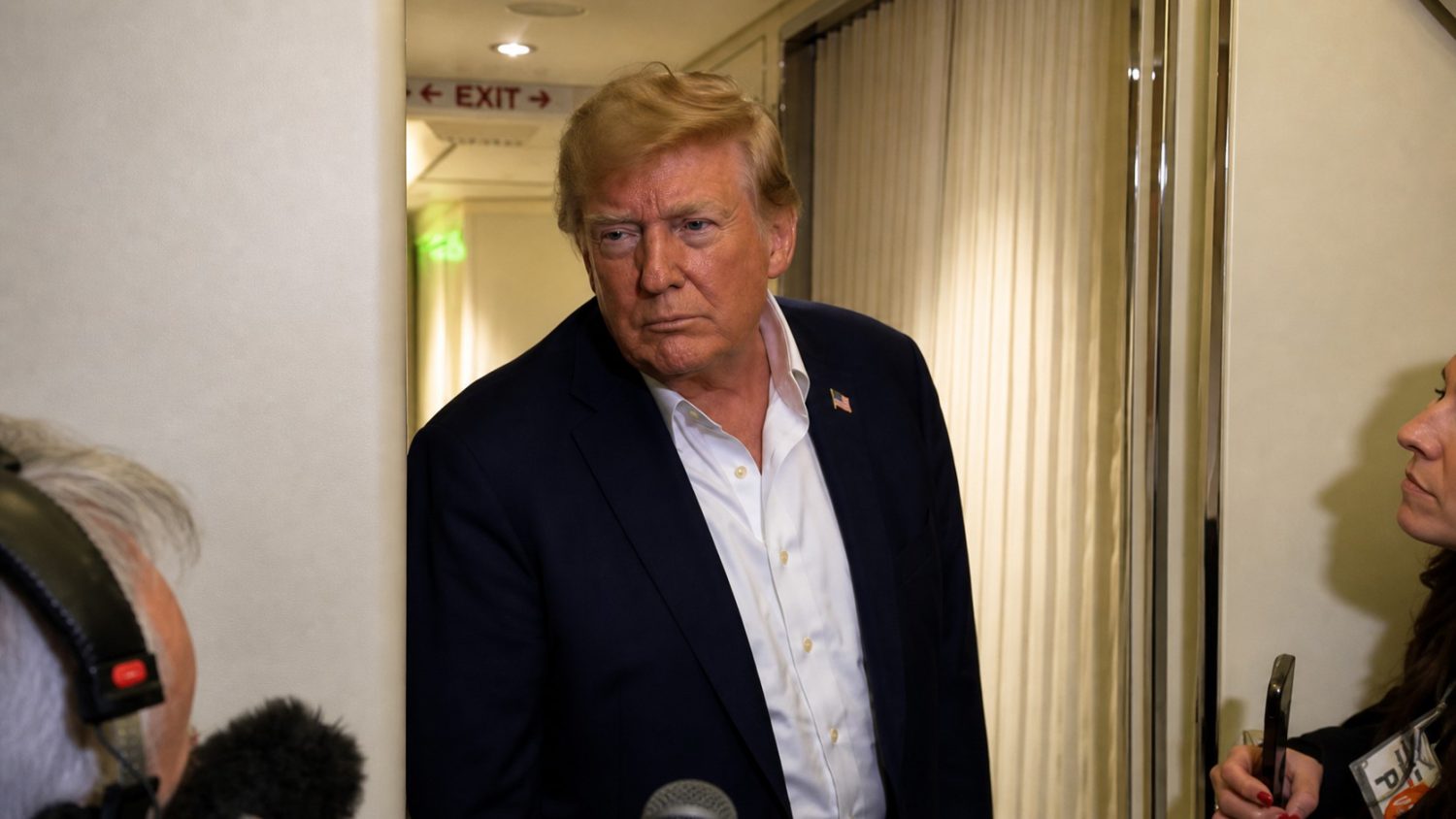
On August 30, 2023, the FBI executed a search warrant at the Arkansas home of Nathan Hughes, charged with felony civil disorder and related January 6 offenses. Agents found a Liberty Safe on the premises, contacted the company, and received the access code after Liberty Safe verified the warrant.
What Liberty Safe Actually Did
The company followed its own internal policy, not a court order aimed at Liberty Safe itself.
Liberty Safe confirmed the disclosure in a public statement, according to reporting by the East Oregonian. The company verified the warrant covered the property, then handed over the code.
Here is the detail that matters. The warrant was directed at Hughes’ property, not at Liberty Safe as a company. No subpoena specifically directed at Liberty Safe compelled the company to do anything. The cooperation was entirely voluntary.
The Problem Isn’t the Warrant. It’s the Backdoor.
Two compounding failures turned a routine legal process into a crisis of customer trust.
Liberty Safe maintained a central database of factory-set access codes for its electronic safes, a de facto backdoor most customers almost certainly never knew existed. That alone is a significant gap between what buyers reasonably expected and what they actually got.
The second failure made it worse. The company’s standing policy treated a standard property search warrant as sufficient cause to hand that code over. That policy required no subpoena specifically directed at Liberty Safe.
Consider the contrast: when the FBI pressured Apple to build a backdoor into a San Bernardino shooter’s iPhone, Apple refused, forcing the government to seek other means. Critics drew that comparison immediately, and it holds. Apple built its privacy promises into the product design and defended them under direct legal pressure. Companies that embed hidden risks in everyday hardware , much like the documented dangers of a public USB charger , rarely advertise those vulnerabilities upfront.
Liberty Safe built a backdoor into every electronic safe it sold and surrendered the key voluntarily. Critics at The Federalist and The Truth About Guns framed this cooperation as excessive, arguing that Liberty should have demanded a court order specifically naming the company before disclosing anything. The East Oregonian documented the Apple comparison circulating widely among those same critics.
Some accounts on activist sites alleged that FBI agents disabled Hughes’ security cameras and held his girlfriend at gunpoint during the raid. Those claims come from sympathetic sources and allies of Hughes. Mainstream outlets did not independently corroborate them, and they should not be treated as established fact. Similar patterns of secretly tracking users without disclosure have surfaced in other technology contexts, underscoring how rarely these practices are advertised.
The Reversal That Followed
The backlash was swift and blunt. Liberty Safe was labeled “the Bud Light of gun safes” across X, as conservatives who had bought the company’s patriotic branding felt the floor drop out, according to the East Oregonian and the New York Times.
Liberty Safe responded with two policy changes. Customers can now request deletion of their stored factory codes from Liberty’s database. Future law enforcement requests will require a subpoena specifically compelling Liberty Safe to disclose a code, not merely a warrant covering someone else’s property.
Those are real improvements. They are also improvements that should have been the policy from day one for a company selling security products to customers who take the word “Liberty” seriously.
The reversal came after a PR crisis, not before one. That distinction matters when you are evaluating whether to trust a manufacturer with the physical security of your home and your firearms.
Before buying any electronic safe, ask two direct questions: does the manufacturer retain factory-set access codes, and does releasing those codes require a legal order specifically naming the company? Researching home security systems with transparent privacy policies is a worthwhile step before committing to any electronic product. A security product that needs a boycott threat to earn a privacy policy worth trusting has already failed its most basic job.