Taser drawn, moving through a stranger’s fenced backyard in Pompano Beach, a masked ICE agent walks through frame. Your security camera catches every second. This is documented footage — part of a broader pattern of masked federal agents in tactical gear operating through residential yards across Broward County, captured on home security systems in 2025 and 2026, according to Local 10 News and cibercuba.com reporting. The question your camera just raised is one courts haven’t fully answered: what are the constitutional rules when federal enforcement moves through your backyard?
Your Backyard Has a Legal Name – And It Matters
The law treats your patio and yard differently than your driveway — and that distinction is everything right now.
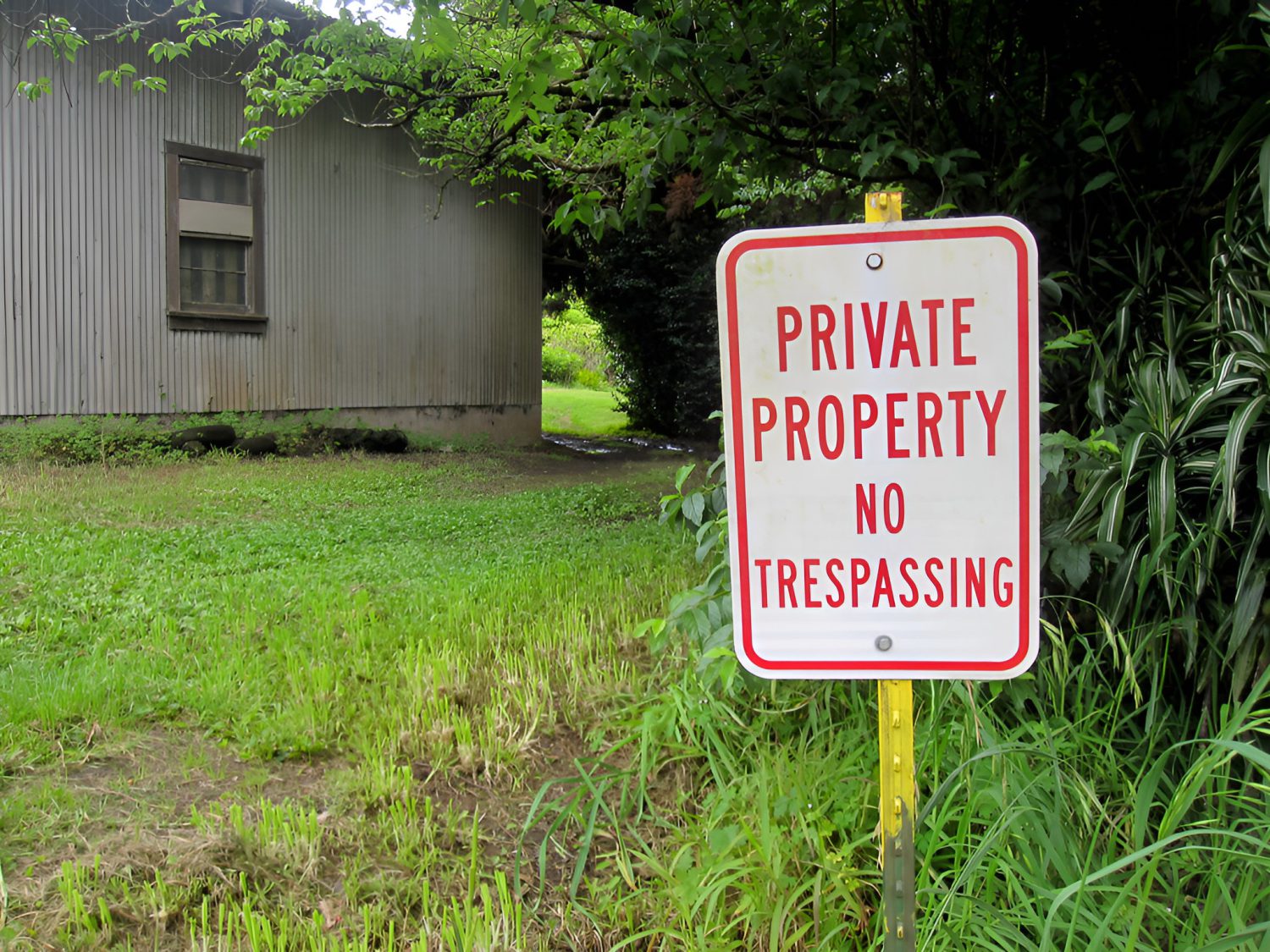
The word you need is curtilage — the legally protected space surrounding your home. Courts treat enclosed backyards, patios, and private outdoor areas as extensions of the home itself, carrying stronger Fourth Amendment protection than a front walkway or driveway. Agents entering curtilage without a warrant, your consent, or genuine emergency circumstances can cross a constitutional line, according to ACLU guidance and legal analysis from criminallegalnews.org.
Not every ICE presence near a home is automatically unlawful. Approaching a front door, knocking, remaining in areas open to visitors — courts have generally allowed that. A masked agent moving through a fenced backyard with a weapon drawn is a different picture. ICE frames such tactics as safety requirements for agents in the field. That tension — between what the agency calls legal and what your camera recorded — remains genuinely unresolved.
What the Law Says About Agents on Your Property
- The Fourth Amendment protects against unreasonable searches; entering curtilage generally requires a warrant, consent, or exigent circumstances
- ICE administrative warrants are not signed by a judge — they do not authorize entry into a home or its protected outdoor areas
- The First Amendment protects your right to film ICE agents from your own property, per ACLU guidance
“The First Amendment protects your right to film ICE in public… filming alone is not obstruction.” — ACLU
The Camera Is the New Witness
Consumer surveillance tech is doing what courtroom testimony used to — except the footage is yours, on your property, and you control it.
Your Wyze cam or Ring doorbell is now functioning as the civilian equivalent of a body camera — mounted on your house, pointed at your yard, timestamped and waiting. Footage from home surveillance systems across Miramar, Pompano Beach, and Broward County has documented masked agents in tactical gear approaching homes, moving through yards, and interacting with residents at entrances, per Local 10 News and cibercuba.com. Consumer tech is the only reason this pattern is visible at all, a dynamic also seen when US operatives built a surveillance app to target civilians. CNN and the Washington Post have documented similar incidents nationally, including cases involving apps secretly tracking users — and a masked agent pointing a weapon at a U.S. citizen who was filming him.
Civil liberties organizations argue that repeated footage of masked, armed agents in residential spaces risks normalizing conduct that may edge past constitutional boundaries. The Fourth Amendment question — how it applies specifically to backyards and patios during ICE operations — hasn’t been definitively resolved by courts or lawmakers. That ambiguity is exactly why your footage matters. If agents request your phone, state clearly: “I do not consent to a search.” Film from a safe distance. Back it up to cloud storage. Do not delete it.
The Pompano Beach footage isn’t a local curiosity — it’s a preview of a legal reckoning that’s building. Your home camera didn’t just document someone moving through your yard uninvited — echoing concerns raised when San Jose faced its own Flock Problem with government surveillance in residential areas. It may have captured evidence that shapes how courts ultimately define the boundaries of your own backyard.