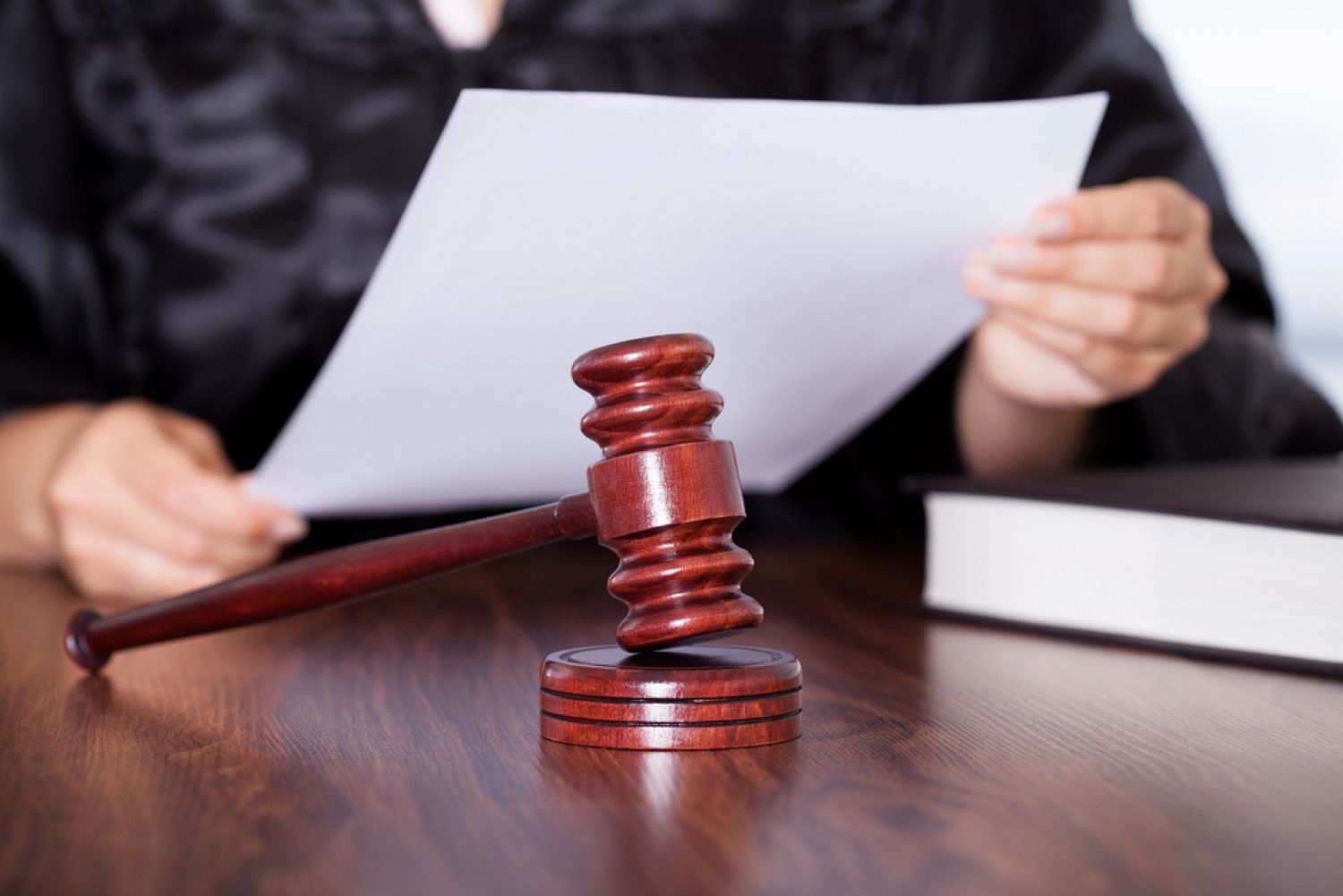
A juror consulting an AI chatbot during deliberations raises urgent questions about fair trial rights in the age of generative AI. According to one juror’s account, a fellow panel member went home during trial, opened ChatGPT, typed in the evidence, and asked it to solve the case. The entire jury was reportedly dismissed. No verdict. Trial over. If that sounds like an isolated incident of one person making a spectacularly bad call — it probably isn’t.
The Rule Is Clear. The Temptation Is Clearer.
Federal jury instructions already ban this behavior — courts just haven’t caught up to the specific tool.
Jurors have always been told: no outside research. No Googling. No asking anyone anything. U.S. federal model jury instructions explicitly prohibit using phones, tablets, or computers to research the case, look up witnesses, or communicate about the trial. A federal judiciary committee strengthened those rules in 2020, naming Facebook, Snapchat, and WhatsApp specifically. ChatGPT isn’t on that list yet. That gap is exactly what defense attorneys are going to start hunting for in appeals.
The deeper problem isn’t the instruction gap. It’s that ChatGPT doesn’t feel like “doing research.” It feels like thinking out loud to a very calm, confident friend. That’s precisely what makes it dangerous here.
Courts Are Already Behind
Prior mistrials from simple Google searches are just a preview — AI misconduct operates at an entirely different magnitude.
Courts have documented mistrials triggered by far less:
- One juror Googled a definition in the jury instructions
- Another looked up the defendant’s name
Both triggered serious remedies. AI takes that misconduct and turbocharges it, because ChatGPT doesn’t just surface information — it synthesizes it into advice. It generates confident conclusions. And it does so even when it’s completely wrong.
Consider what a juror actually hands an AI: their own filtered interpretation of testimony, not the actual admitted evidence. The model hasn’t heard the witnesses. It doesn’t know the jurisdiction’s legal standards. It cannot be cross-examined, and its reasoning is entirely opaque to judges and attorneys.
A 2024 mock trial exercise at UNC Law ran ChatGPT, Claude, and Grok through a criminal case — essentially a Turing Test for verdicts, except the stakes are someone’s freedom. The AI systems reached a unanimous “not guilty.” The exercise wasn’t arguing that AI juries are coming. It was demonstrating that the impulse to outsource judgment to a machine is already here, and ordinary jurors don’t need a law degree to feel it.
An AI system is not a neutral advisor. It’s an unvetted pseudo-expert with an authoritative tone and zero accountability, a concern that has led to calls for AI age laws and greater oversight of how these tools shape high-stakes decisions.
The Fix Isn’t Optional Anymore
Explicit AI language in jury instructions is long overdue — and naming the tools is only the beginning.
Legal scholars have openly questioned whether a truly internet-free jury process is even enforceable, warning that misconduct is likely underreported. AI tools are now embedded in phones, browsers, and operating systems — as reflexive as autocomplete — making that enforcement problem significantly harder to solve.
Any defendant’s fate could hinge on a juror who quietly sought a second opinion from an algorithm trained on true crime podcasts and Reddit threads. Naming ChatGPT, Claude, and Gemini explicitly in jury instructions isn’t optional. It’s the bare minimum courts can do right now, much as regulators in Europe have moved to restrict handling of sensitive legal data by major AI platforms.