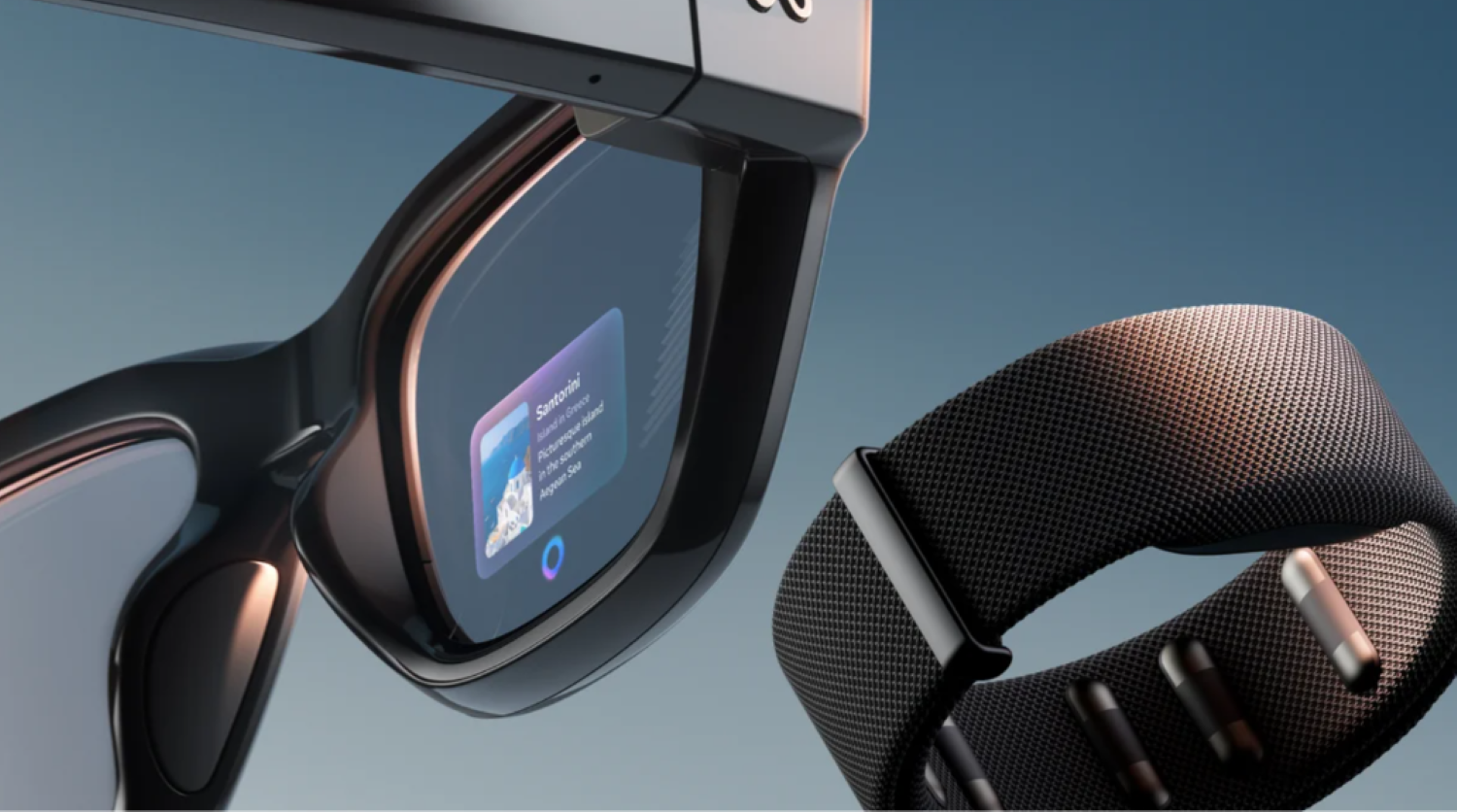
The patent isn’t subtle. Meta’s smart glasses would detect faces, track expressions, log who’s laughing and when, and automatically compile a highlight reel of your dinner party — without anyone at the table pressing record. Per Patentlyze, which flagged the filing on August 13, 2026, the system is designed to generalize across phones, AR headsets, and other camera devices. According to CNET, Meta’s glasses have already been reported in testing contexts involving police and military applications. This isn’t a product announcement. It’s a blueprint — and the company has been building toward it longer than most people realize.
From NameTag to Highlight Reels
Meta already shipped a working facial-recognition stack once, quietly, before journalists found it buried in a routine app update.
January 2026: a routine Meta AI app update. Buried inside, a three-model pipeline — face detection, biometric signature creation, identity matching — with no announcement and no user prompt required. By the time WIRED reported it on June 4, that code sat dormant on more than 50 million phones. Meta pulled it June 5. The company called it “exploratory.” The EFF called it something sharper: code that “could convert images of faces into unique biometric signatures to identify strangers in public.”
One day between exposure and deletion. The timeline is factual; what it suggests about Meta’s awareness of what it had built is hard to ignore.
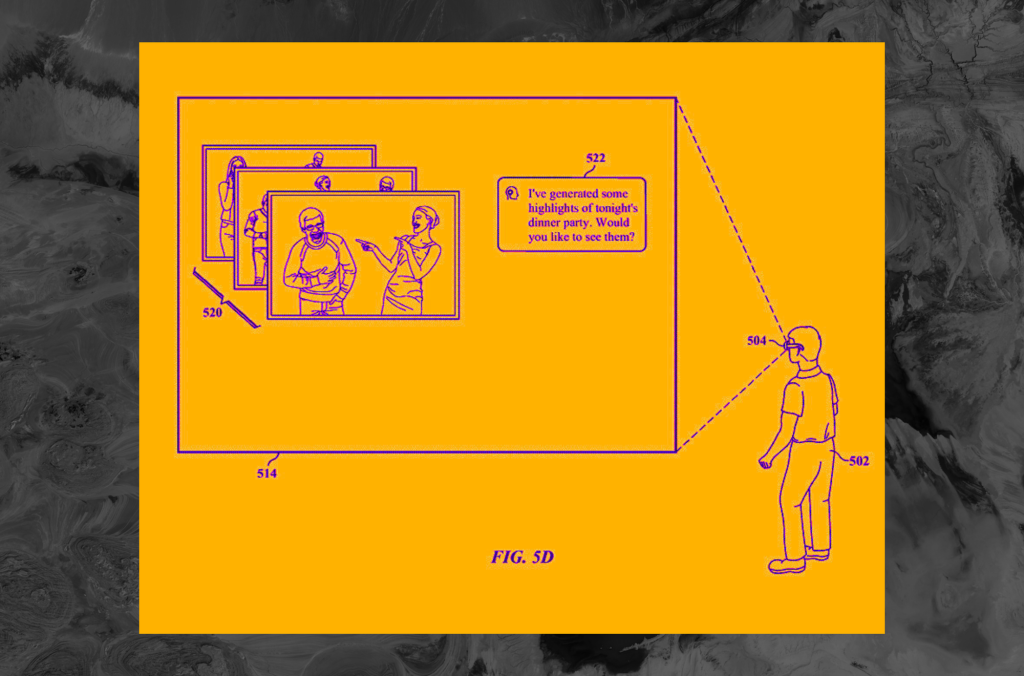
Where NameTag simply named people, this new patent proposes something more cinematic. The glasses identify who’s present, track each person’s actions and expressions, weight footage by “user relationship data” — your close contacts get more screen time — and surface curated clips afterward. Think less surveillance tool, more Black Mirror episode written by a product manager.
Here’s what the filing outlines, per Patentlyze’s analysis:
- Cameras on head-worn glasses capture continuous field-of-view footage
- ML models detect faces, build faceprints, and identify specific individuals
- Eye-gaze data signals which person the wearer finds interesting
- Expression and action analysis flags highlight-worthy moments
- The system auto-compiles post-event clips, filtered by relationship proximity
The Pattern Is the Problem
Meta’s history with facial recognition follows a consistent arc: build, quietly distribute, retreat under scrutiny, and file the next patent.
While Meta frames all of this as exploratory, the company’s track record doesn’t support casual shrugging. Facebook built, deployed, and eventually dismantled photo-tagging facial recognition under regulatory pressure. NameTag wasn’t a concept sketch — it was a complete, working pipeline distributed via routine app update, the tech equivalent of a liability waiver buried so deep that nobody reads it until a journalist does.
Meta’s spokesperson told Gizmodo: “No final decision has been made on what to do here, if anything.” That’s technically accurate for almost any patent. But as Malwarebytes notes, dormant dormant code in a widely-installed surveillance app can be activated with a single update once the legal or PR environment shifts. Ray-Ban Meta glasses are already in millions of pockets. The infrastructure is closer than the spokesperson language implies.
The guests at that dinner party — the ones who never opted in, whose faces and expressions could become someone else’s AI-curated memory — don’t get a spokesperson. Patents show intent. Dormant code shows capability. Together, they show direction. And “exploratory” has a way of compounding quietly, one update at a time.