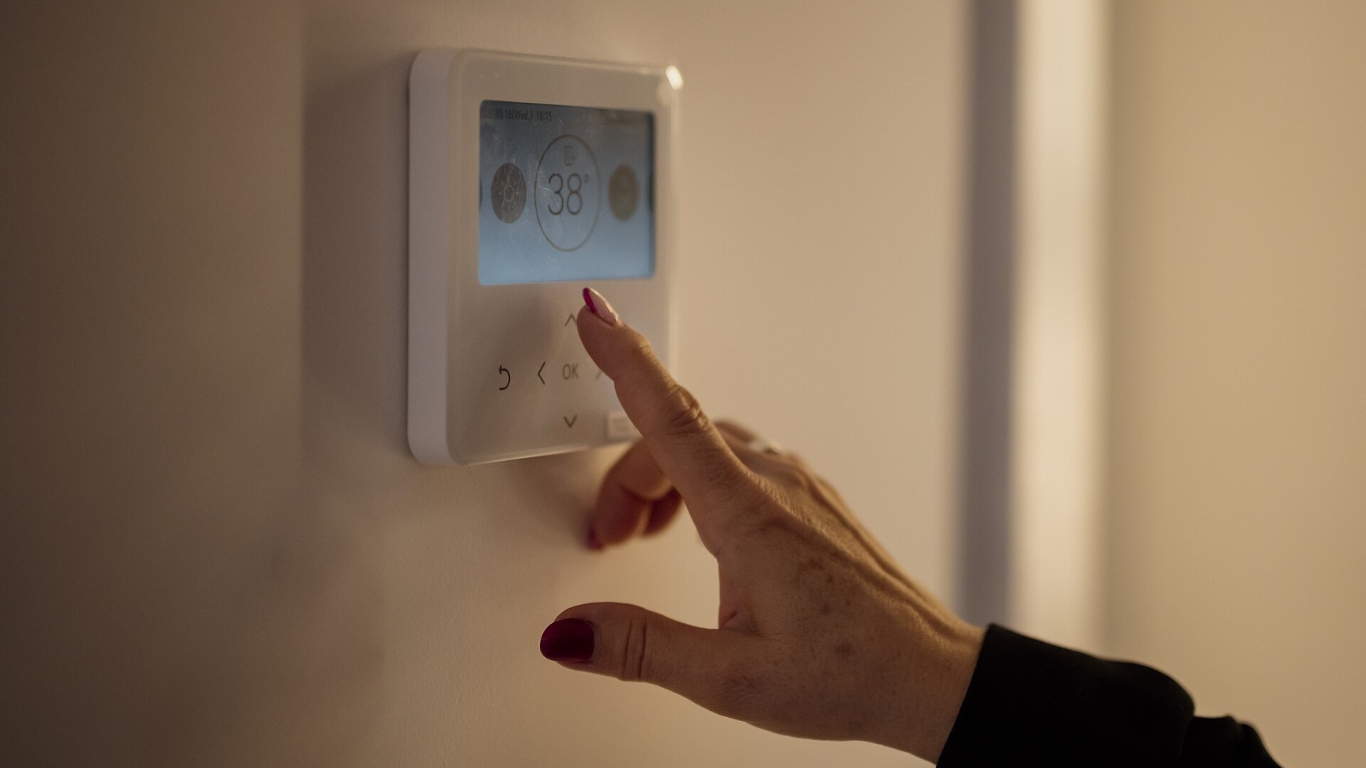
It’s August. Your house feels like a parking garage in Phoenix. You walk to the thermostat, tap the down arrow, and get this: “You are not allowed to lower your thermostat set point because the energy grid in your regional area is stressed.” No error. No apology. Just a firm, algorithmic no. This reportedly happened to at least one Xcel Energy customer in Colorado — and it wasn’t a glitch. The program worked exactly as designed.
This is demand-response enrollment. It’s running in multiple states. You may already be in it. Your power company has more authority over your home systems than most customers realize.
How Utilities Took the Wheel
Demand-response programs turn your smart thermostat into a grid-management tool — and the utility holds the controls during peak events.
What looks like a malfunction is actually intentional infrastructure. Utilities like Xcel Energy run residential programs that connect enrolled smart thermostats directly to grid-management systems. When electricity demand spikes — think a regional heat wave hitting thousands of homes simultaneously — the utility can push a temporary setpoint restriction to enrolled devices. Duke Energy, for example, says it may adjust enrolled thermostats by up to 4 degrees during high-demand periods.
Here’s what that actually means in practice:
- Enrollment is voluntary, but the tradeoff is real: the utility or device provider controls your cooling target during stress events
- During an active event, the thermostat enforces a floor — you can’t cool below a set temperature
- The warning message is programmed behavior, not a hardware failure
- Multiple utilities and thermostat vendors run similar programs across different states — this is industry-wide, not one company’s experiment
- Incentives like bill credits exist, but amounts vary by program and location
“You are not allowed to lower your thermostat set point because the energy grid in your regional area is stressed.”
What You Actually Agreed To
The gap between “signing up for energy savings” and “handing a utility override access to your thermostat” is smaller than most people realize.
The consent problem here is real. Signing up for “energy savings” doesn’t feel like surrendering control of your AC on the hottest day of August — but for many enrolled users, that’s exactly what happened. It’s the terms-and-conditions problem: the iTunes agreement of home infrastructure. Nobody read it. Everyone clicked yes. This pattern of secretly tracking users and burying consent in fine print extends well beyond smart thermostats.
One more wrinkle worth knowing: a thermostat lockout can come from three different sources — a utility-triggered demand-response programs event, a device-level temperature limit set in the app, or an HVAC safety constraint. The error messages can look identical regardless of cause, which makes diagnosing the real reason genuinely confusing.
Check your thermostat’s app settings and look for demand-response, energy programs, or utility partnerships. Enrollment can typically be reversed. Your house, your call — just make sure you’re actually the one making it.