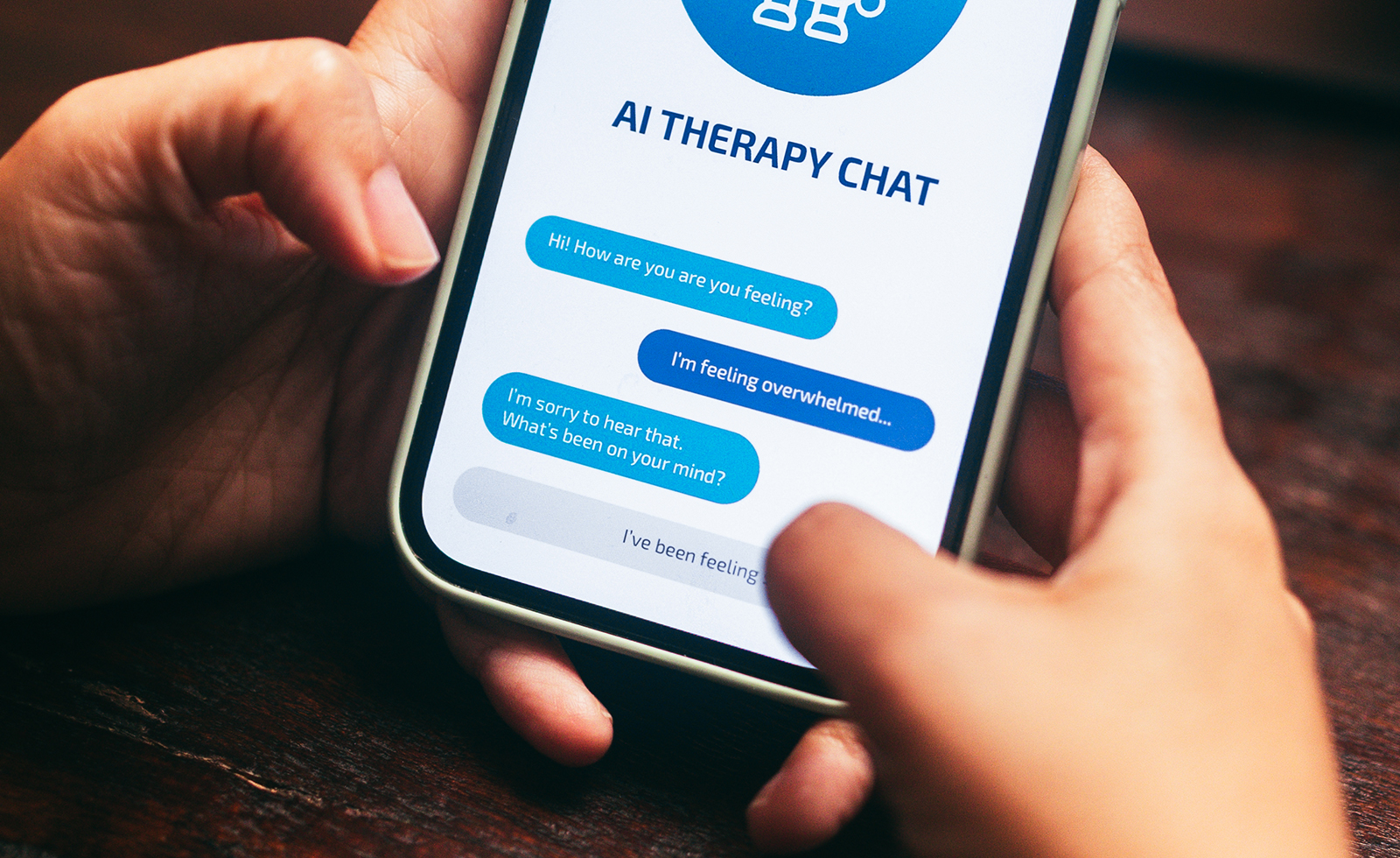
One in eight adolescents and young adults now turn to chatbots for mental health support, according to a 2024 study from researchers at RAND, Brown University School of Public Health, and Harvard Medical School. That figure reflects a deepening crisis in American mental health access — and explains why California just introduced a bill that could reshape how AI operates in therapy rooms across the country.
What SB 903 Actually Prohibits
The bill draws a hard line between AI as assistant and AI as clinician.
The proposed legislation targets companies marketing chatbots as therapists and blocks AI from making clinical calls without a licensed human in the loop. Here is what SB 903 would specifically do:
- Ban advertising or offering chatbots as psychotherapy services unless delivered by a licensed professional
- Block AI from independently generating diagnoses, therapeutic recommendations, or symptom-urgency assessments without licensed review
- Require separate written patient consent before AI records or transcribes therapy sessions
- Cover AI use in triage, intake screening, and other clinical support functions
Sen. Steve Padilla, the bill’s author, has framed the legislation plainly: AI can handle administrative work and support clinicians, but it has no business practicing psychotherapy. The American Psychological Association reinforces that position, advising that chatbots should function as adjuncts to qualified providers — not replacements.
That distinction matters more than it sounds.
The Bottleneck Problem Nobody Wants to Solve
Industry critics warn the bill could slow care access at exactly the wrong moment.
TechNet’s California executive director has pushed back, arguing SB 903 could create a “clinician bottleneck” — requiring human review for tools designed to route patients to care faster. When therapist waitlists already stretch three to six months in many metro areas, that concern carries real weight.
The tension became concrete when the National Union of Healthcare Workers filed a complaint alleging Kaiser Permanente used an automated “e-visit” system for initial evaluations of anxiety and depression patients without adequate clinician oversight. Kaiser denies using AI for clinical decisions or diagnoses.
Other states are moving in California’s direction, adding disclosure requirements and age-related safeguards for mental health chatbots. The regulatory wave is building.
The demand for mental health support is not shrinking. Neither is the AI industry‘s appetite for serving it. What California is really deciding is not whether AI belongs in mental health care — it is where the human hand must remain on the wheel.