Air travel in 2026 operates under a constantly shifting rulebook that can turn a smooth journey into an expensive surprise. From stricter carry-on enforcement to new refund rights and biometric checkpoints, understanding these changes isn’t just about avoiding fees—it’s about reclaiming control over the travel experience. Modern flying demands awareness of everything from bag dimensions to digital privacy at borders, and the difference between knowing and guessing can cost hundreds of dollars or derail an entire trip. These sixteen rules cut through the confusion and arm travelers with the knowledge needed to navigate airports confidently and economically.
16. Standard US Legacy-Carrier Carry-On Size Enforcement
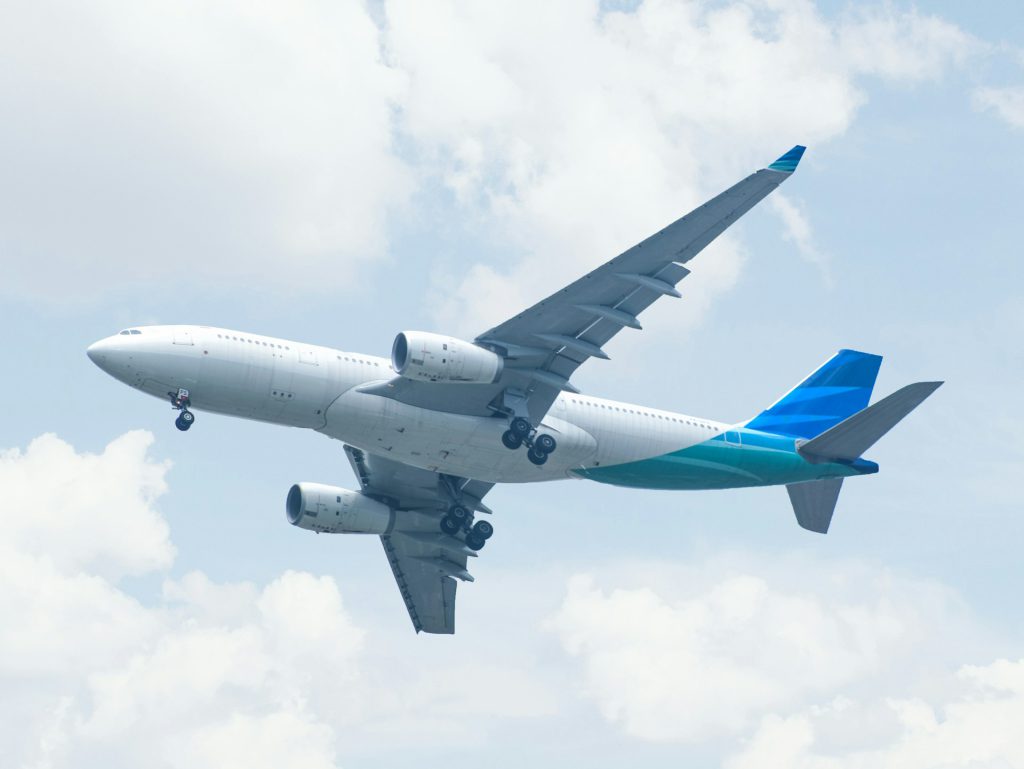
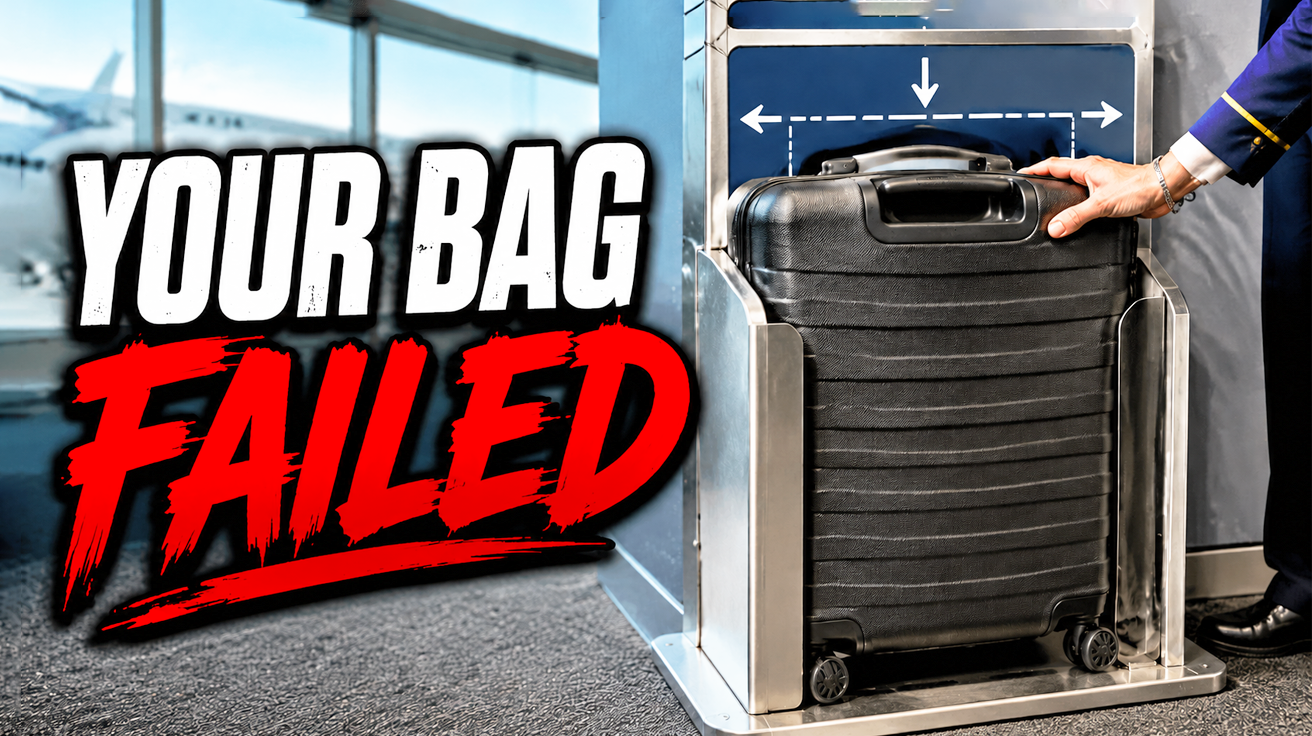
Major carriers now actively measure bags at the gate, abandoning the honor system entirely.
Airlines like American, Delta, and United strictly enforce a maximum carry-on bag size of 22 × 14 × 9 inches (56 × 36 × 23 cm). This critical dimension includes handles, wheels, and any exterior bulges. Agents visually flag bags and often force them into metal sizers. An expansion zipper adding just 1 to 2 inches of depth can push a bag over the limit, landing travelers with an involuntary gate check and fees hitting $40–$75. Save the on-the-spot drama by measuring bags before leaving home.
15. Personal Item Size Enforcement
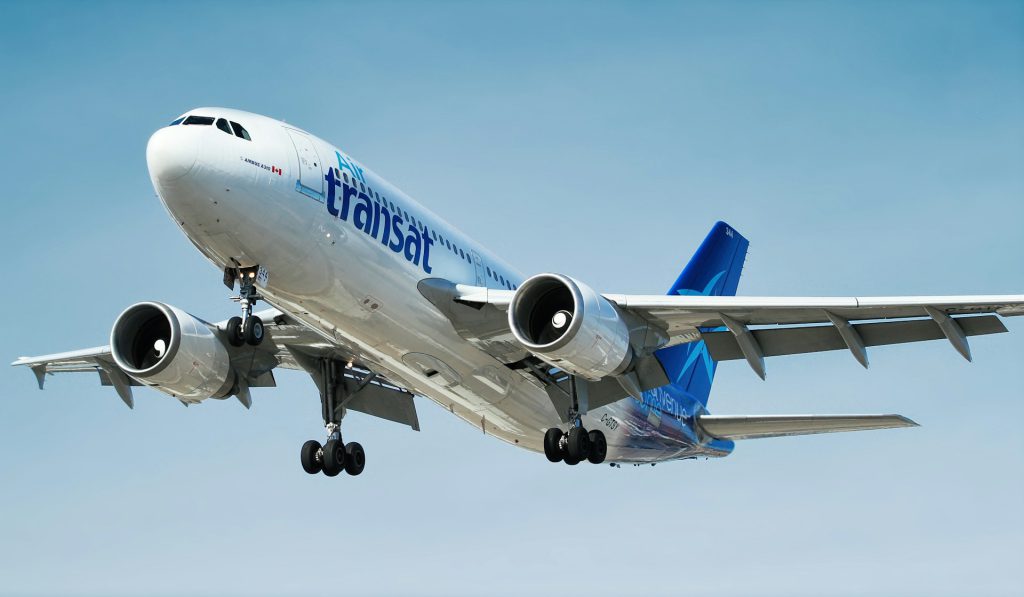
Airlines are increasingly aggressive about what qualifies as a true under-seat bag.
Personal bags, often limited to around 17 × 10 × 9 inches (43 × 25 × 23 cm) by carriers like United, must fit entirely under the seat in front. Rigid or bulging bags get pulled. Attempts to place these in overhead bins instantly reclassify them as carry-ons. For Basic Economy ticket holders, this triggers gate check fees reaching $50 or more. Ensure bags are genuinely personal-item sized, not wannabe carry-ons seeking unearned overhead space.
14. Budget Carrier Carry-On Fees (Frontier, Spirit, Allegiant)
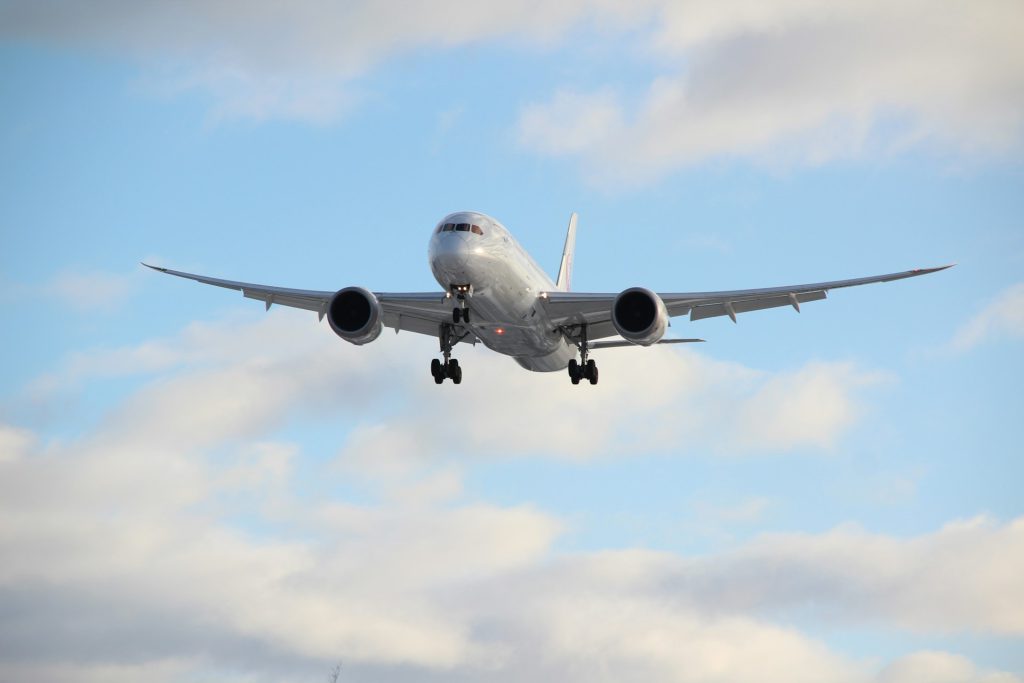
A $100 flight can balloon to $500 once budget airline carry-on fees are tallied.
While personal items fit free beneath seats, overhead carry-ons on carriers like Frontier, Spirit, and Allegiant come with charges. Fees typically range from $29–$115 depending on the airline and purchase timing, climbing steeply closer to departure.
- Frontier restricts bags to 24 × 16 × 10 inches and 35 pounds
- Spirit caps at 22 × 18 × 10 inches
- Allegiant limits to 10 × 16 × 22 inches
Two passengers with one carry-on each on a round trip could face upwards of $400 in fees.
Travelers who snag cheap fares often realize their mistake at the gate, facing fees between $75–$100 when bags don’t fit the strict personal item criteria or if they waited to pay. Always add carry-on fees at checkout.
13. Gate-Checked Carry-On Fees (General Practice)
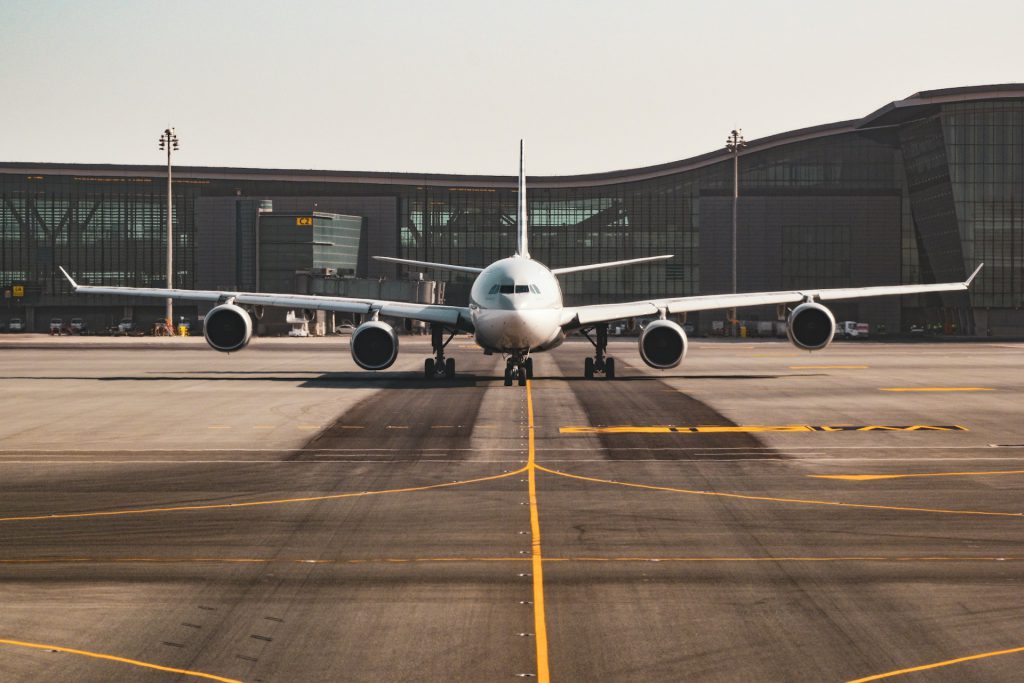
Believing carry-ons will always be gate-checked for free is a costly misconception.
Most airlines charge for gate-checked bags when travelers don’t comply with rules. American and United can charge around $40 if bags are oversized or exceed fare allowances. Budget carriers often demand $75–$100 for the same infraction.
While voluntary gate checks due to full bins are typically free, non-compliant bags are a different beast. Always confirm airline fee structures beforehand; pre-paying online usually saves $30–$50. This foresight prevents trips from starting with surprise bills.
12. Items Not Counting Against Baggage Allowance
Airlines permit over a dozen items aboard without counting against standard carry-on or personal item limits.
Often overlooked exemptions include:
- Worn articles like coats and jackets
- Essentials like umbrellas
- Assistive devices and mobility equipment
- Strollers and child safety seats
- Medical devices
- Diaper bags and soft-sided coolers carrying breast milk
A traveler on basic economy, limited to one personal item already at capacity, can still wear their bulkiest jacket, freeing up crucial bag space. They can also carry an umbrella. Post-security, duty-free purchases and food bought inside the airport also fly free. Smart flyers leverage these rules like a secret cheat code, donning heaviest layers and making last-minute purchases past the checkpoint.
11. TSA 3-1-1 Liquids Rule

The Transportation Security Administration maintains precise requirements that are often missed.
The 3-1-1 liquids rule demands containers of 3.4 ounces (100 ml) or less for gels, aerosols, creams, and pastes. All containers must fit into one clear, quart-sized, resealable plastic bag, with each passenger strictly limited to a single bag. Standard Ziploc sandwich bags can often be too big or floppy, making them non-compliant.
An overstuffed bag is a primary reason for additional screening, slowing everyone down. Someone cramming an extra travel-sized lotion into an already bulging bag suddenly grinds the entire security line to a halt. Adhering to these rules ensures a smooth trip through security, while non-compliance guarantees agents will treat bags like suspicious packages.
10. CT Scanners and Liquid Removal at Security
Airport security promises a smoother future, yet the reality remains a mixed bag.
Newer Computed Tomography (CT) scanners generate three-dimensional images of carry-on items, allowing travelers to leave liquids and electronics in bags. At fully upgraded hubs like London Heathrow, travelers can bring liquids in containers up to 2 liters, effectively ending the hassle.
However, this upgrade is far from universal. Many UK and EU airports still enforce the classic 100 ml (3.4 ounce) liquid rule, demanding items fit in a single clear quart-sized bag. A duty-free item greater than 3.4 ounces purchased at Heathrow could be confiscated during a connecting flight if that airport operates under older, stricter guidelines. This uneven rollout makes security a game of roulette, so always verify specific rules for each airport on the itinerary, especially for connections.
9. TSA PreCheck – Expedited Screening & Random Checks
For the most part, PreCheck delivers a smooth sail through airport security.
Travelers keep shoes, belts, and light jackets on, leaving compliant liquids and laptops nestled in bags—a genuine relief for anyone who’s ever felt like they’re performing a full strip-tease just to reach their gate. However, this convenience doesn’t exempt anyone from random additional screening. Nor does it waive REAL ID requirements.
Children 12 and under and passengers 75 and older already skip shoe removal in standard lines. PreCheck reduces friction but doesn’t eliminate all security checks.
8. TSA Rules for Medications and Pill Organizers
Travelers needlessly stress over medication packaging.
For domestic U.S. flights, medications can be packed in carry-on bags; original prescription bottles are not required. Pill organizers or daily sorters are fine. TSA screens for security threats; they’re not concerned with pharmaceutical labeling. Liquid medications over 3.4 oz (100 ml) are also permitted if declared.
While TSA makes domestic travel easy, international customs is a different beast. There, original packaging and doctor’s notes can be crucial. TSA handles checkpoint security; international customs manages what enters their country.
7. CBP Authority to Search Electronic Devices at Border
At international borders, the rules for digital life shift dramatically.
U.S. Customs and Border Protection (CBP) explicitly asserts broad authority to inspect, search, or detain people and items, including electronic devices like phones, laptops, and tablets. This power operates under the “border search exception” to the Fourth Amendment, allowing routine inspections at international ports of entry without a warrant or individualized suspicion.
While the Transportation Security Administration (TSA) focuses on physical security at domestic checkpoints, CBP conducts comprehensive device searches. These range from basic manual examinations, like scrolling through apps, to advanced forensic analyses that use specialized tools.
6. TSA Facial Recognition / Touchless ID & Opt-Out Rights
TSA’s facial comparison technology is deployed at approximately 65 U.S. airports as of spring 2026.
This tech verifies identity by matching a live photo to travel documents, but participation is strictly voluntary, according to the official TSA factsheet. Travelers may feel subtle pressure at the ID podium to use the scanner, but they retain the right to decline the photo and request a manual ID check without penalty. Opting out should not result in additional screening or delays beyond the time needed for manual verification.
5. EU Regulation 261/2004 (EU261) Flight Delay/Cancellation Compensation
Flight delays are common, yet many passengers remain unaware of their robust rights.
EU Regulation 261/2004, also known as EU261, establishes clear entitlements for flight disruptions. This includes fixed cash compensation of €250–€600 per person. The rule applies if departing from an EU airport or flying an EU carrier into the EU.
Many airlines offer digital food vouchers for delays. For long-haul flights over 3,500 km, a delay of 4 hours or more can qualify travelers for €600 in cash. Accepting a trivial voucher could waive the statutory right to this larger sum. Always ask directly if accepting an airline’s offer forfeits EU261 claims.
4. New US DOT Automatic Refund Rules for Significant Flight Changes

The U.S. Department of Transportation adopted a final rule in April 2024 mandating automatic cash refunds for significantly changed or canceled flights.
A “significant change” includes domestic departure or arrival time shifting by more than 3 hours, or an international one by 6 hours, or even a downgrade to a lower class of service. Planning a trip only for the airline to move the flight by several hours now guarantees money back.
Refunds must be in the original form of payment within 7 days for credit cards or 20 days for other methods. This rule cuts through the usual airline dance, standardizing obligations and giving passengers clear rights to their cash.
3. Montreal Convention Baggage Liability Limit (Article 22)
The Montreal Convention 1999 governs international air carrier liability, ensuring recourse beyond vague apologies.
Effective 28 December 2024, the liability limit for lost, damaged, or delayed baggage was raised to 1,519 Special Drawing Rights (SDRs) per passenger, up from 1,288 SDRs. This cap covers destruction, loss, damage, or delay for both checked and carry-on items.
Travelers are entitled to compensation up to this amount, which typically converts to approximately $2,000–$2,100 USD, applied per passenger, not per bag. This isn’t just about covering lost AirPods; it’s about providing a safety net when the system fails. Always cite “Montreal Convention Article 22” when making claims.
2. CBP Agricultural Enforcement (Undeclared Fruit & Global Entry)
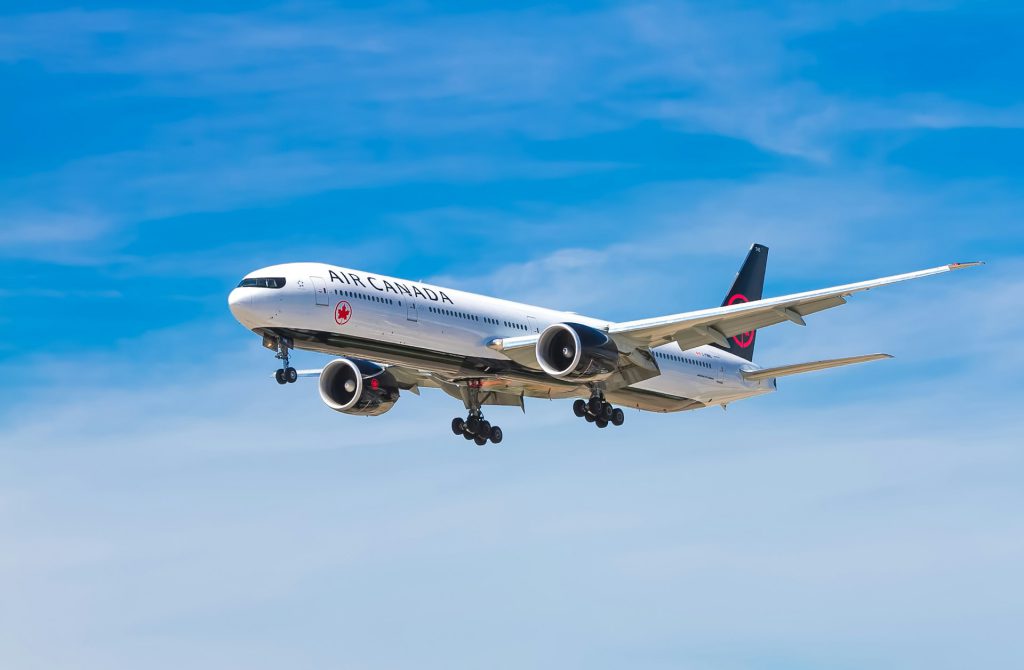
After a long flight, grabbing an airline apple for a snack and forgetting it’s still in the bag when hitting customs can turn a smooth return into an administrative nightmare.
U.S. Customs and Border Protection (CBP) requires all travelers to declare meats, fruits, vegetables, and plants, treating undeclared agricultural items with zero tolerance. Fail to declare, and that single apple can trigger civil penalties up to $1,000 for a first non-commercial offense.
Many travelers face fines around $300–$500 and instant revocation of their Global Entry membership. FOIA-released documents confirm these $500 penalties and revocations are tied directly to undeclared produce. To avoid this agricultural speed trap, declare every food item, always.
1. Juice Jacking (USB Charging Attacks)
Juice jacking refers to cyberattacks where a compromised USB charging port or cable steals data or installs malware on devices.
USB ports carry both power and data, creating a potential two-way street for unseen threats. While security research shows no confirmed real-world cases of juice jacking on modern iOS or Android devices beyond controlled demonstrations, the theoretical vulnerability persists.
Instead, plug into personal AC power bricks and wall outlets. Deploy a USB data-only cable or a data blocker. Always deny any data-transfer prompts if they pop up unexpectedly. Free airport charges aren’t worth the digital pickpocketing risk.