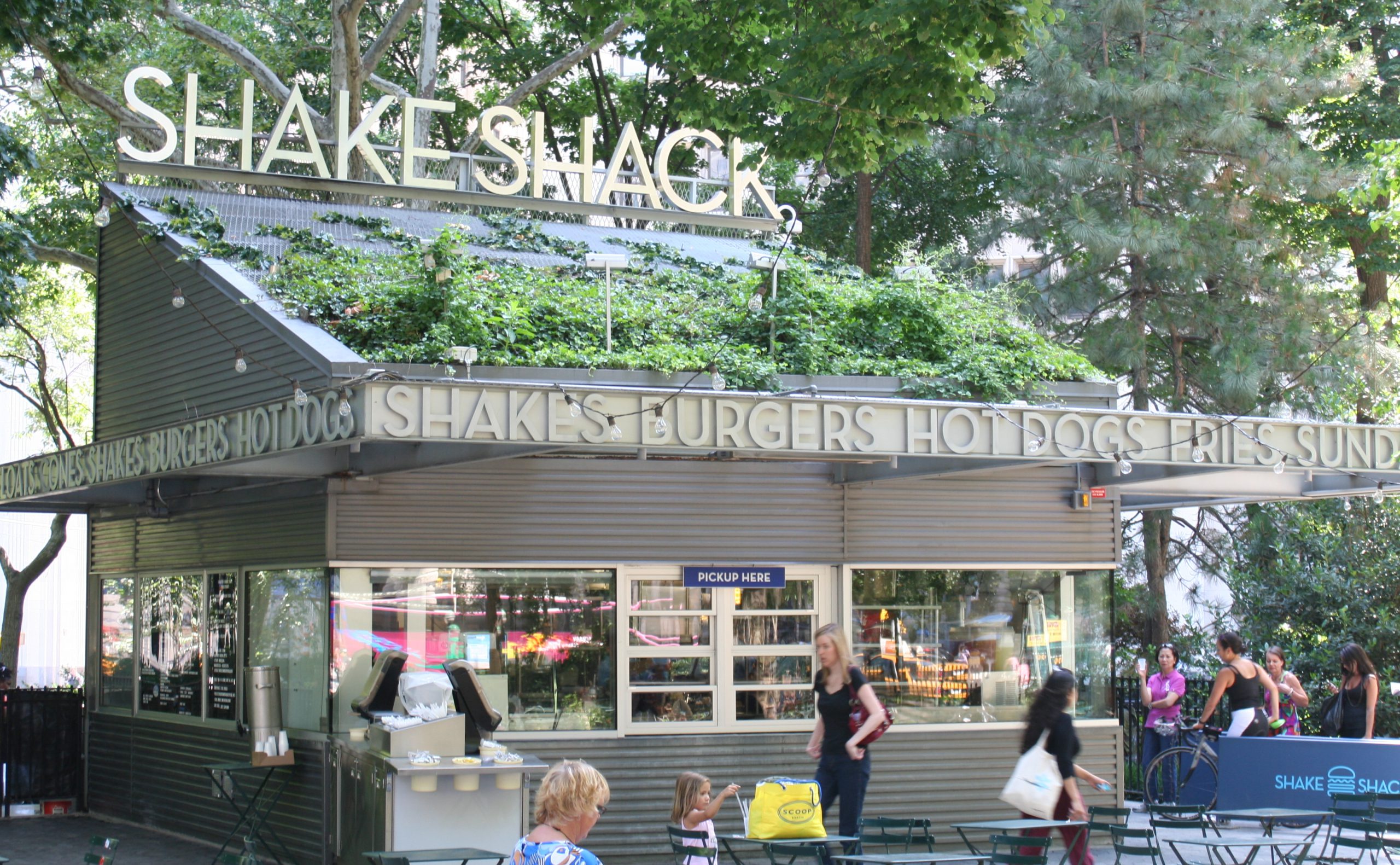
You’re standing at a kiosk, tapping through your order. The tip screen appears. You hit “No Tip.” And then — reportedly — your shake prices quietly climb. A viral video claims exactly this happened at a Shake Shack location, showing each shake jumping from $5.99 to $6.49 after the customer declined to tip. That’s a verified $1.50 subtotal increase on three shakes. Shake Shack did not respond to requests for comment. The footage, though, raises more questions than it answers.
What the Video Actually Shows
A short clip sparked widespread outrage, but the evidence behind the claim remains thin.
The video appears to show prices changing after the “No Tip” selection — and that word, “appears,” matters. The clip alone does not prove the price increase was triggered by the tipping choice. It could reflect a scheduled menu update, a kiosk glitch, or a time-stamped pricing rollover that happened to coincide with the tap. No official Shake Shack statement has confirmed or denied a no-tip surcharge policy, and no kiosk logs, pricing metadata, or company documentation have surfaced to establish intent.
Here’s what the available evidence actually establishes:
- Each shake reportedly changed from $5.99 to $6.49, adding $1.50 to the subtotal
- The clip establishes no causal link between selecting “No Tip” and that price increase
- Under U.S. federal wage rules, tips are voluntary and legally distinct from mandatory service charges
- Both California and Washington state law require that tips go entirely to employees and cannot be credited against wages
The legal issue here isn’t whether restaurants can raise prices — they can. The concern, if the video reflects an actual policy, is undisclosed dynamic pricing triggered by a customer’s tipping decision. That’s a deceptive pricing problem, not a tip-law violation. Danny Meyer’s well-known no-tipping model raised posted menu prices openly to replace gratuities entirely — transparent and lawful. Quietly penalizing someone for hitting “No Tip” is a fundamentally different move. Whether the final price was visible to the customer before checkout confirmation is the question that would carry real weight in any legal challenge.
Tip Fatigue Meets Fine Print
The viral spread says as much about consumer frustration as it does about one kiosk screen.
Every counter now has a tablet spinning toward your face, asking for 20% on a drip coffee. Consumers are already primed for suspicion — it’s the era of tip prompts at burger counters, self-checkout screens, and food halls where nobody made eye contact with you. Whether or not this specific kiosk did what the video suggests, the reaction reflects genuine exhaustion with tipping culture’s digital creep, like getting push notifications from an app you never downloaded.
What would actually resolve this — kiosk logs, time-stamped pricing records, company policy documentation — hasn’t surfaced. The distinction between a deceptive surcharge and a routine pricing update lives entirely in that missing data.
Until Shake Shack explains what happened, this video is a suspicion, not a verdict. Check your final price before confirming any kiosk order. The broader question — whether restaurants can quietly penalize tip refusals — deserves scrutiny well beyond this single clip.