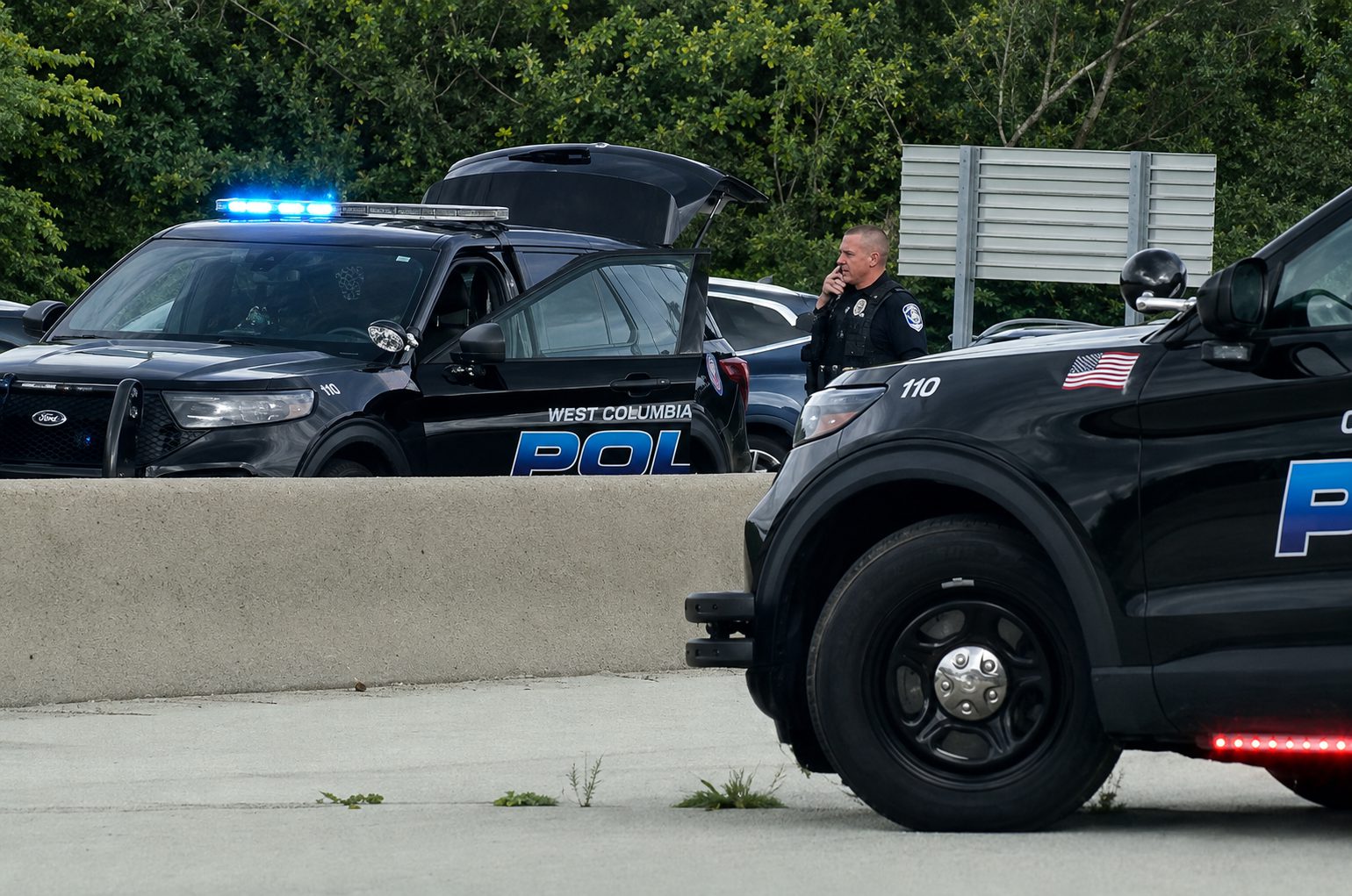
Somewhere on Interstate 94, a driver was surrounded by Brookfield police officers with weapons drawn. A felony stop — the kind where you’re ordered out of the car, hands visible, pulse spiking. The reason? A Flock Safety automated license plate reader (an ALPR camera system that scans plates and cross-checks them against crime databases) had flagged the vehicle in connection with an active Milwaukee homicide investigation, according to FOX6 News Milwaukee.
The alert was wrong. Wrong person. Wrong car. And this wasn’t a freak glitch. It’s a documented pattern that has been accelerating since 2022.
How One Misread Character Becomes a Drawn Weapon
The ALPR pipeline is deceptively simple — and every step is a potential failure point.
The process works like this:
- A camera captures your plate
- OCR software converts the image to text
- That text gets matched against hotlists
Any break in the chain — a smudged digit, a font the algorithm misreads, a database entry nobody bothered to update — and suddenly you’re a homicide suspect. A University of Michigan policy memo cited a randomized trial in Vallejo, California, where 37 percent of stationary-reader hits were misreads. More than one in three.
Flock Safety told FOX6 it “welcome[s] that conversation” about police technology — stopping short of addressing specific error rates or verification protocols. It’s an acknowledgment that a problem exists without touching the substance of it.
Stale Data, Real Consequences: The Verification Gap
The danger isn’t just bad OCR — it’s officers treating automated alerts as probable cause rather than investigative leads.
The Institute for Justice documented at least 26 cases since 2018 of innocent motorists detained at gunpoint or jailed because of ALPR errors, with most occurring since 2022. Business Insider reported in March 2024 that a dozen incidents involved misreads or officers skipping verification before acting — some resulting in people being injured by police dogs.
The machine was wrong. The guns were real.
The core failure runs deeper than OCR accuracy. The Brennan Center recommends:
- Retention limits
- Warrant requirements for historical searches
- Mandatory independent verification of hotlist data before any enforcement action
If you drive — and statistically, you do — these cameras are already scanning your plate across cities and suburbs nationwide.
ALPR technology can genuinely help recover stolen vehicles and support investigations. But an unverified alert isn’t intelligence. It’s a guess with a badge attached.