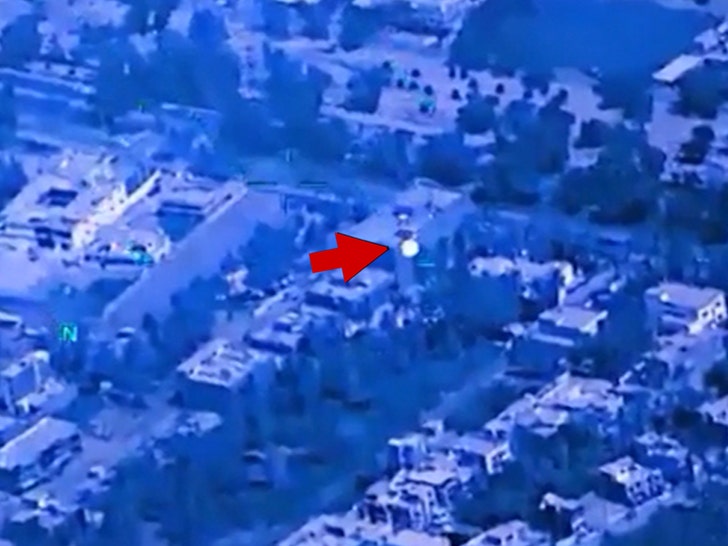
Somewhere between a FOIA request and a Marvel post-credits scene, the U.S. government dropped another batch of declassified UAP files onto an official Pentagon portal. No press conference. No dramatic reveal. Just documents, footage, photos, and audio spanning nearly eight decades — released under a transparency directive rooted in the National Defense Authorization Act. The agencies involved read like an alphabet soup of power: Pentagon, FBI, NASA, CIA, Department of Energy. This wasn’t spontaneous disclosure. It was bureaucratic scheduling with extraordinary subject matter.
What the Files Actually Contain
Decades of military and intelligence records, from Cold War New Mexico to modern conflict zones.
The collection pulls from a sweeping archive of observation. A 116-page file documents military intelligence investigations near Sandia, New Mexico — specifically Sandia Base and Los Alamos — covering sightings from 1948 to 1950. Subsequent batches added more recent materials, including a report tied to a 2022 incident over a conflict zone in the Middle East. The government portal hosting the files remains active, with more batches expected. Per the Pentagon’s All-domain Anomaly Resolution Office (AARO), the agency is committed to continued transparency as it releases materials for public review.
Key file highlights drawn from the official releases:
- 116-page Air Force Office of Special Investigations file on UAP sightings near Sandia Base and Los Alamos, New Mexico, 1948–1950
- 1953 CIA document containing military analysis of motion picture footage described, per the document’s own wording, as showing objects “difficult to explain as natural phenomena”
- Reports from a 2022 Middle East conflict zone incident, included in a subsequent release batch
- All files hosted on the official government portal, with additional releases planned
AARO has stated explicitly: none of this constitutes confirmation of extraterrestrial life. The materials are presented for public review and interpretation — full stop.
Transparency Exercise or Content Drop?
The gap between what the government published and how the internet consumed it tells its own story.
TMZ described objects in the footage “darting, hovering and glowing.” That’s accurate to their editorial framing — but the files themselves don’t establish what the objects are or where they originated. The dynamic mirrors a Netflix true-crime documentary: cold cases feel urgent and resolved when packaged with the right music, even when nothing has actually been solved. Entertainment media treats ambiguity as invitation. The government treats it as disclosure fulfilled. Neither framing is fully honest.
You can hold both ideas at once. The footage is real, officially sourced, and previously classified. Its meaning remains genuinely unresolved — and that tension is the actual story here, not the blurry clips.
More files are coming as the portal continues to expand. The substantive question worth sitting with isn’t whether extraterrestrial life exists. It’s whether an apparatus that kept these materials classified for 70-plus years is now showing you everything it has. Given AARO’s own acknowledgment that public distrust in government transparency is a recurring theme in this space, that question deserves considerably more scrutiny than any single footage release will answer.