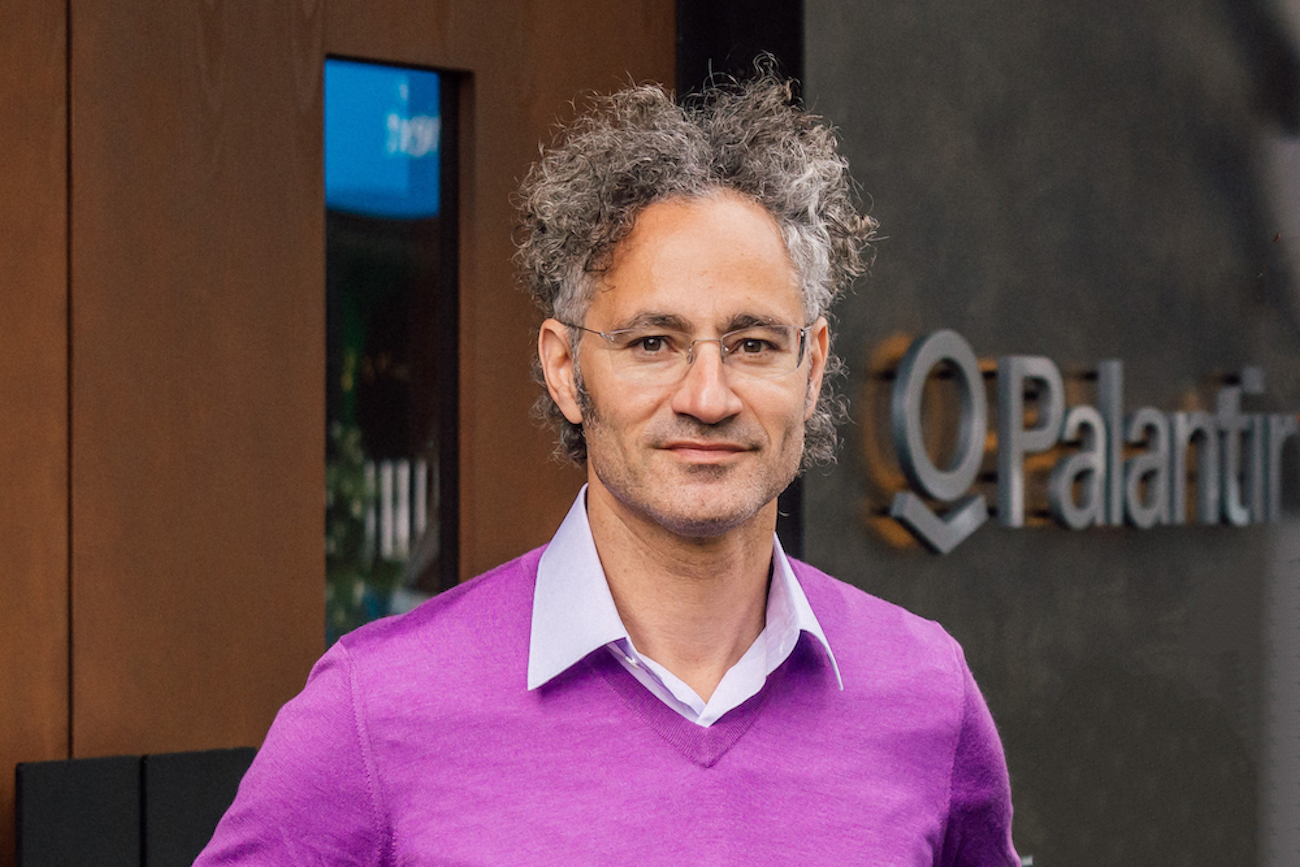
Palantir just reported $1.9 billion in Q2 revenue — up 93% year-over-year — with $1.1 billion in profit. More profit in one quarter than total revenue in the same period last year. And what did CEO Alex Karp do with that momentum? He called OpenAI, Anthropic, and their peers “Marxist.” According to the Wall Street Journal, Karp is “saying what every angry CEO is thinking about AI.” Whether that makes him a truth-teller or an opportunist depends entirely on where you sit.
Karp Says Frontier Labs Want to Own Your Business
The accusations are sharp, the numbers are sharper — and the two together explain why the enterprise AI world is paying attention.
Here are the figures backing Karp’s confidence:
- Q2 revenue hit approximately $1.9 billion, up 93% year-over-year
- Quarterly profit reached $1.1 billion
- U.S. commercial revenue surged roughly 149%
- Full-year guidance raised from approximately $7.65 billion to $8.15 billion
- Karp described enterprise AI token spending as “token self-pleasurings… at real cost” (Palantir Q2 shareholder letter, 2026)
The argument boils down to this: you’re paying frontier labs for tokens, getting marginal returns, and watching your proprietary data and workflows — your competitive edge — leak into their models. Karp calls it a “wealth tax.” On CNBC, he summarized the enterprise experience with characteristic bluntness: “I’m going to chillax and waste my time with tokens, I’m going to get no value, and they’re going to get my IP.”
“There are Marxist overtones and undertones to our business. Others, including many of those building large language models, intend, knowingly or otherwise, to capture the means of production of their purported partners.” — Alex Karp, Palantir Q2 shareholder letter, 2026
Despite publicly identifying as a socialist and neo-Marxist, the man wielding Karl Marx as a competitive weapon holds a PhD in social theory and studied under philosopher Jürgen Habermas. That same man runs a company selling surveillance and defense infrastructure to governments worldwide. The cognitive dissonance is considerable — and Karp appears unbothered by it.
Palantir Pitches Itself as the Antidote
Karp’s counter-offer frames data sovereignty not as a feature but as the only rational alternative to what he calls enterprise colonization.
Palantir’s pitch: a model-agnostic platform where enterprises retain control of their data, compute, and AI “exhaust” — the prompts, orchestration logic, and context generated during AI sessions. Paired with NVIDIA hardware, Karp frames this stack as liberation from frontier labs he accuses of trying to “colonize your enterprise.”
Fortune raises a critical caveat worth keeping in mind: there is no hard evidence labs are literally stealing IP. The concerns are structural — dependency, governance gaps, unclear data-use policies — not criminal misconduct. Karp is packaging real enterprise anxiety in rhetoric calibrated for maximum impact: compelling, dramatic, and somewhat overstated.
“Alex Karp is saying what every angry CEO is thinking about AI.” — Wall Street Journal
Still, the underlying question is not going away. As enterprises push harder for data sovereignty and governance layers, the AI stack could tilt toward hybrid architectures and open-weight models — away from pure frontier API dependency. Karp may be selling something. But “who owns the value your data creates?” deserves a clear answer before you sign the next contract.