Two years ago, San Francisco voters dismantled their own surveillance restrictions. Now 72% of them want police drones and live cameras assisting active investigations. That figure comes from a July 2026 poll suggesting Proposition E didn’t just rewrite policy — it may have rewritten the city’s relationship with being watched. For a place that once treated police surveillance like kryptonite, the shift is dramatic.
The Numbers Behind the Shift
Strong majorities back drone monitoring in neighborhoods where open-air drug markets have operated for years.
If you’ve walked through the Tenderloin or parts of the Mission recently, these results won’t shock you. Sixty-eight percent of likely voters support drone monitoring of high drug-use areas, while 64% back continuous camera coverage over open-air drug markets in those same neighborhoods. These aren’t hypothetical zones — they’re specific blocks where fentanyl has been sold in broad daylight for years.
The poll deserves a transparency check. GrowSF, a billionaire-backed advocacy group, commissioned FM3 Research to survey 662 likely voters between July 8 and 19, 2026, with a margin of error of 4.9 points. GrowSF co-founder Steven Bacio framed the results as a “clear” message that residents want leaders to deploy “every effective tool,” according to the organization’s release. That’s GrowSF’s interpretation — not a neutral conclusion. Flag it accordingly.
From 2019 Restrictions to Drone Footage on Social Media
San Francisco went from adopting strict surveillance bans to posting drone-assisted arrests online in under five years.
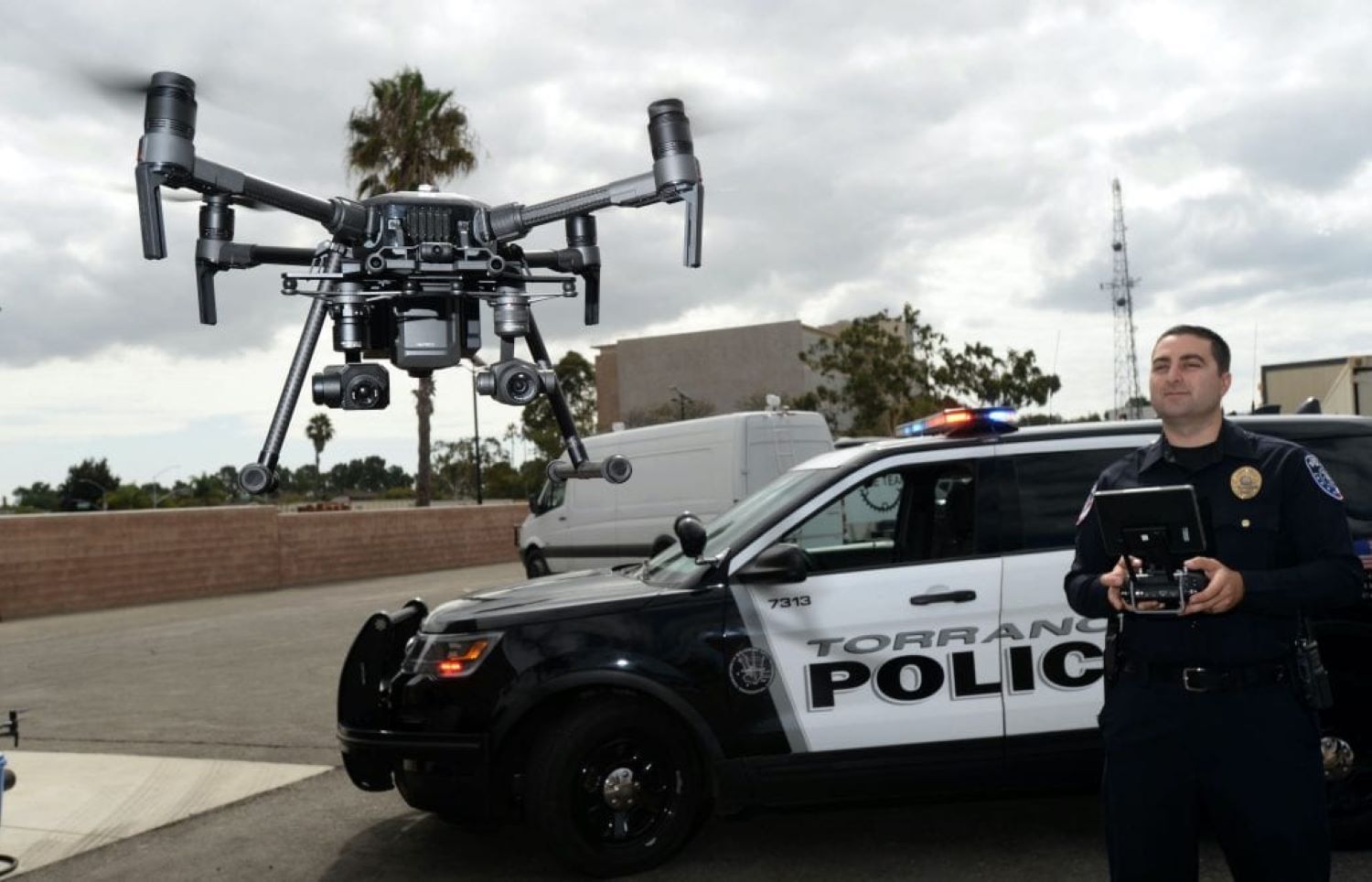
In 2019, San Francisco adopted some of the tightest surveillance rules in any American city — a tension that mirrors the ongoing Flock Problem playing out in neighboring Bay Area cities. Proposition E, passed in March 2024, reversed much of that — authorizing drones, surveillance cameras, and AI-driven facial recognition for law enforcement, according to Reuters. SFPD has since described its drone program as a “force multiplier” in department materials.
The department now posts drone-assisted arrest footage on social media.
A generation that grew up assuming cameras were everywhere found the old privacy bargain already obsolete. Even so, the SF Democratic Party and ACLU warned during the Proposition E ballot fight that expanded surveillance could disproportionately impact the exact communities now named as monitoring targets. Those concerns haven’t evaporated with favorable polling.
What Comes Next
Surveillance support sits alongside deep anxiety about housing and cost of living.
Broader pressures frame this shift. Eighty-one percent of respondents called housing a serious problem, and 80% said the same about cost of living. If these surveillance numbers hold, city officials face less political resistance expanding the drone program. Whether expanded surveillance ultimately protects or endangers the communities now named as monitoring targets remains an open civic question — one that also prompts many residents to reconsider their own security systems.