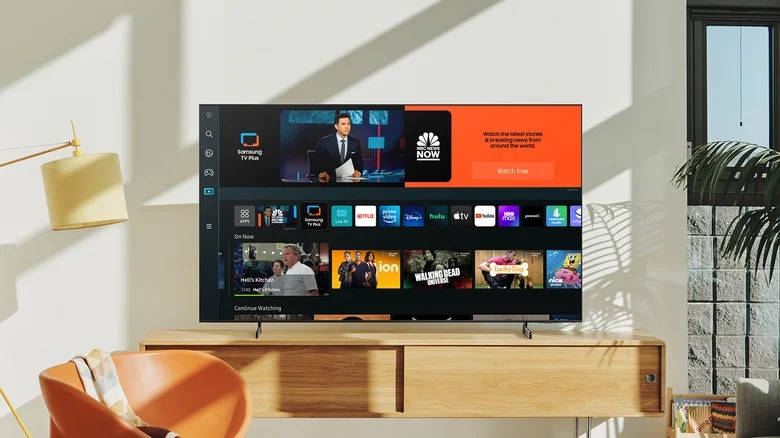
A licensed Pac-Man game — curated, promoted, and sitting in Samsung’s Editor’s Choice section — could reportedly transform your smart TV into a “residential proxy exit node,” according to security firm Mnemonic. That means strangers’ web traffic routed through your home connection, wearing your IP address like a borrowed jacket.
TechCrunch reported the findings on August 3, 2026. Samsung’s response: ban residential proxy SDKs platform-wide, freeze new app registrations carrying this functionality, and remove existing offenders. The right move. The uncomfortable question is how long this sat undetected inside a curated storefront.
What a Residential Proxy Actually Does to You
Hidden SDK components can silently route outside traffic through your home network, making it appear to originate from your IP address.
Say you download a free game on your TV. Nothing suspicious. No warnings. But buried inside the app, a software component waits. When triggered — and Mnemonic said the Pac-Man app used a switch-like activation model, meaning the capability could lie dormant until switched on — your television starts funneling other people’s secretly tracking users internet traffic through your home connection. To the outside world, that traffic carries your IP address, your location. You become the apparent source for whatever passes through.
Here’s what Samsung has confirmed, according to TechCrunch:
- Restricted new app registrations containing proxy functionality
- Begun removing existing apps with residential proxy SDKs
- Announced “strict platform-wide developer policies explicitly banning residential proxy SDKs”
- Acknowledged the affected Pac-Man app had been featured in its Editor’s Choice section
This Isn’t Just Samsung’s Problem
LG made a similar move last month, and scanning results suggest proxyware spans thousands of smart TV apps across multiple platforms.
Most people treat their television like the most passive object in the house — a screen that sits there until summoned, the golden retriever of consumer electronics. Turns out the dog may have been quietly opening the front door for strangers. LG announced a similar app suspension last month, according to KrebsOnSecurity. Scanning results cited by The Hacker News in June 2026 found proxyware components spread across thousands of smart TV apps: clocks, screensavers, games, and other low-utility software. The problem isn’t one rogue developer. It’s an ecosystem-wide gap in app-store vetting that affects the entire connected-TV category — a pattern also seen in how a surveillance app can be built to hide its true purpose from users entirely.
If you own a Samsung TV right now, there’s a practical step available while platform enforcement catches up: Samsung’s own support pages confirm you can block or delete individual apps directly through your TV’s settings interface. Pairing that with robust home security systems can further protect your network from unwanted traffic. Samsung acted when the issue was surfaced, and that deserves credit. But the harder question remains — a security firm had to do the homework that editorial curation should have caught long before any of this went public.