A ferry crossing through Scotland’s Highlands should feel uneventful. For dozens of strangers who crossed paths with TikToker Scott Margerison in late June and early July, it was anything but. Posting as “E Dobbin,” Margerison drove a white Ford Transit van through the Highlands and islands, wearing Meta Ray-Ban smart glasses and recording everyone he talked to. Police Scotland is now reviewing his videos for potential criminality, according to BBC Scotland. This isn’t just one man’s road trip gone wrong — it’s a preview of what happens when technology outpaces the laws designed to protect people from it.
What the Glasses Capture – And What He Did With Them
These aren’t science-fiction props — they’re ordinary-looking frames already in people’s pockets, pointed at strangers who have no idea.
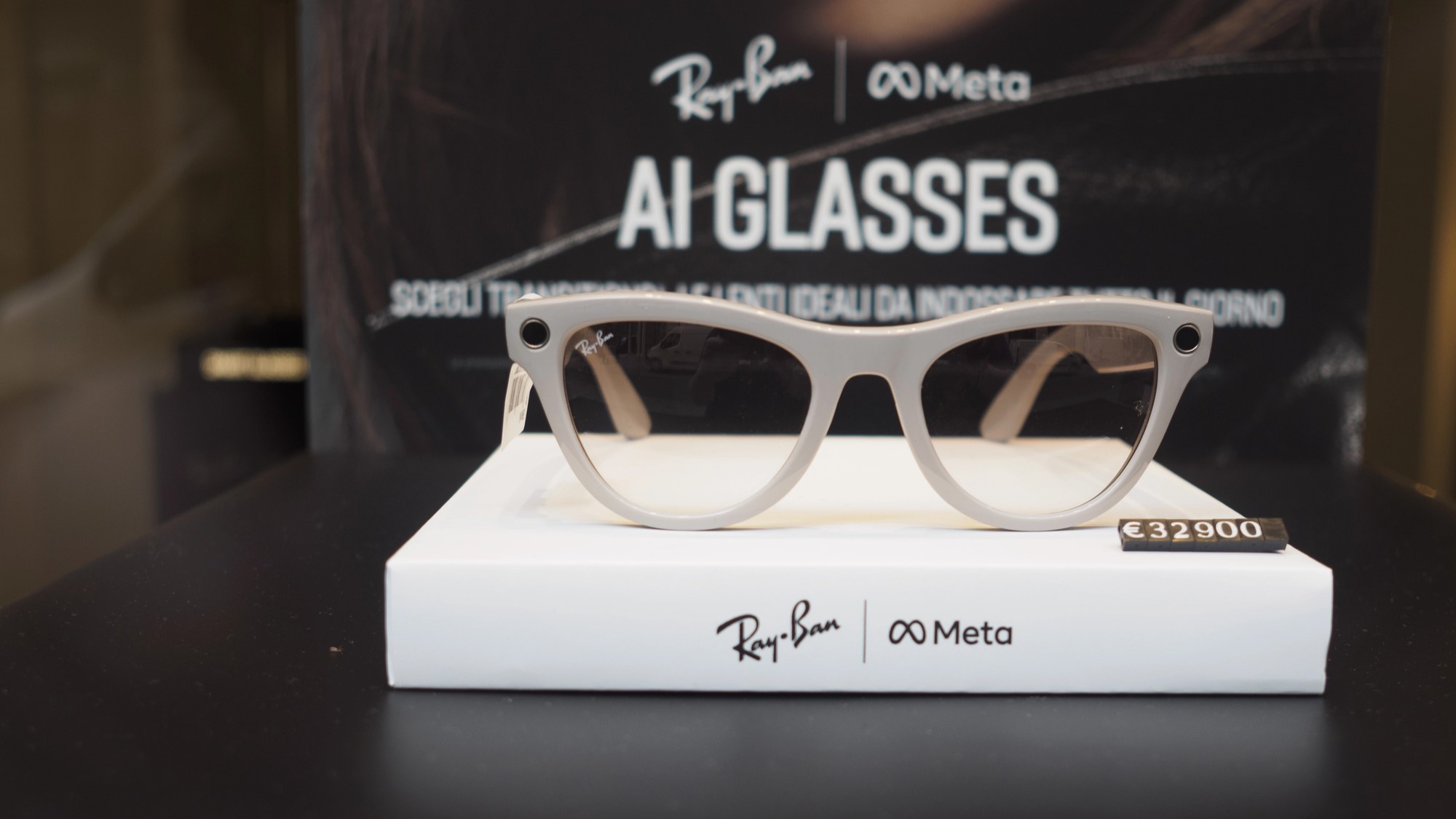
- Meta Ray-Ban smart glasses pack a camera, microphones, open-ear speakers, and AI connectivity into frames indistinguishable from regular sunglasses. A tiny LED is supposed to signal recording.
- Margerison visited Skye, Barra, Lewis, Glencoe, and other locations, approaching strangers for filmed “conversations” without their knowledge or consent.
- On a CalMac ferry, he made sexualised comments about teenage girls before putting on the glasses and engaging them and their parents — all without their knowledge. On the bridge of MV Loch Seaforth, he filmed staff after being explicitly told recording was banned. CalMac has since suspended all bridge tours.
- On Skye, he confronted a UK-born Sikh shopkeeper who has lived on the island for 20 years, referencing the Kalergi Plan — a far-right white nationalist conspiracy theory. He edited out his opening provocation before posting. She described the encounter as “100% intimidating” and cried upon learning the video existed, per BBC Scotland.
- Instagram shut down all his accounts. TikTok and YouTube are investigating.
Meta markets these glasses as “designed for privacy, controlled by you.” The gap between that tagline and a crying shopkeeper on Skye is roughly the width of a pinhole LED that most bystanders will never notice. Instagram head Adam Mosseri confirmed that disabling the LED now renders the glasses inoperable — an admission, in itself, that users had been trying.
Is Any of This Actually Illegal? That’s the Problem.
Existing law wasn’t written with a covert camera disguised as a fashion accessory in mind.
Filming in UK public spaces is generally lawful — people have a limited expectation of privacy in public. But covert recording crosses into criminal territory when it constitutes harassment, stalking, or behaviour “likely to cause fear or alarm.” If Margerison’s channels are monetised, GDPR may also apply: systematic recording and publishing of identifiable people can make a content creator a data controller, per legal analysis from Doughty Street Chambers. No law specifically addresses smart glasses. There isn’t one.
The response so far is a patchwork stitched together after the fact:
- New York banned recording eyewear in all 1,240 of its courts.
- UK Comic Con promoter Monopoly Events banned Meta glasses from its gatherings after reports of secret recordings and body shaming of cosplay attendees.
- Legal scholar Woodrow Hartzog has argued, via USA Today, that the “no privacy in public” principle is oversimplified — context, consent, and the scale of online distribution all matter when footage reaches millions of viewers.
The technology is already here. The laws don’t match it. And the people with the least protection are the ones who never knew the camera was on.