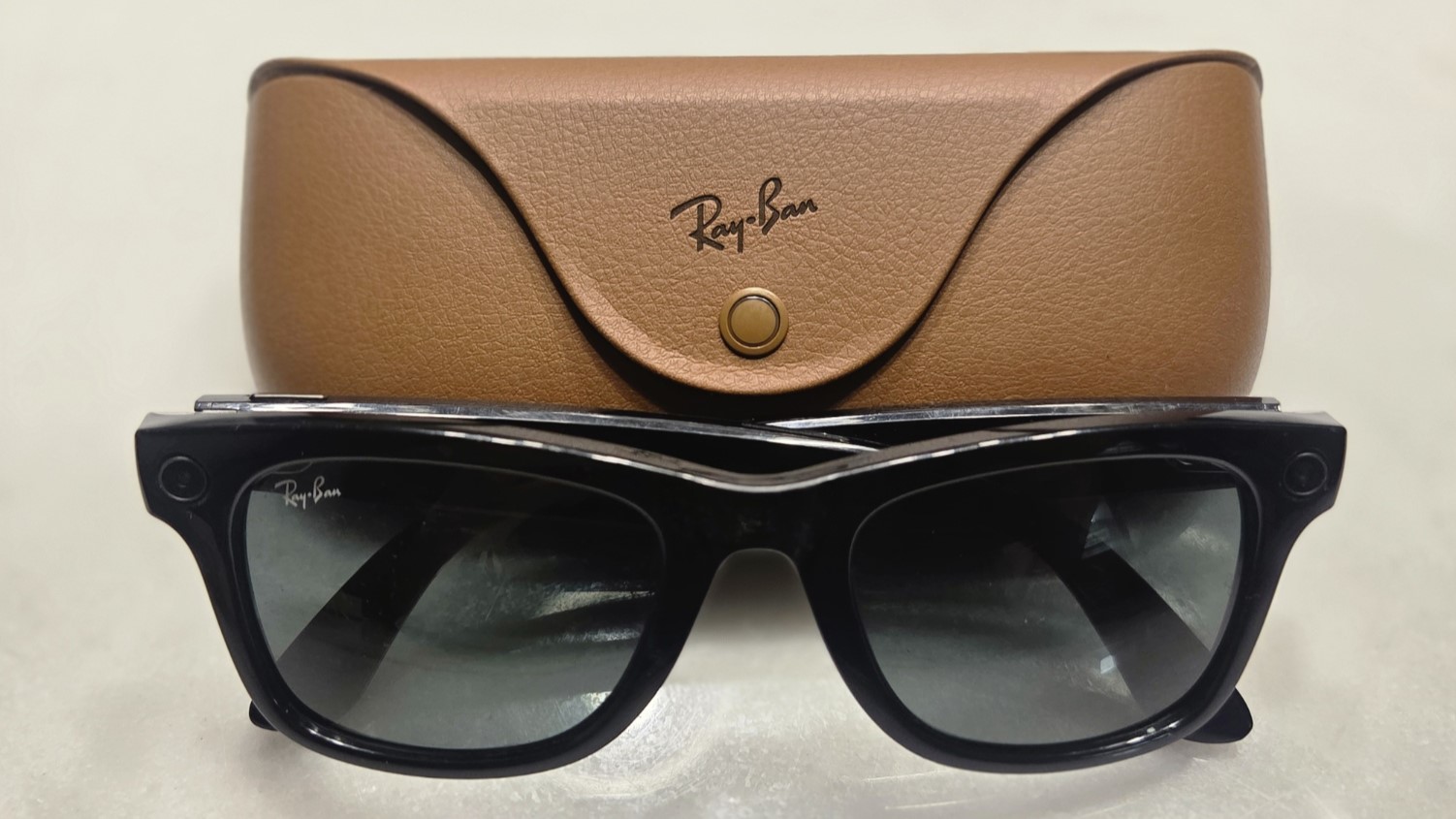
The world’s sharpest hackers — people who crack corporate networks before breakfast — just drew their privacy line at a pair of Ray-Bans. DEF CON 34 has explicitly banned “Meta-style glasses with recording capabilities” from this year’s conference, with zero exceptions. That includes prescription versions. The move lands as the latest in a growing wave of institutional rejections, signaling that Meta’s sleek wearables have a consent problem no tiny LED can fix. Remember “Glassholes”? This is that reckoning, round two — except the smart glasses actually look normal now, which makes everything worse.
Attendees requiring corrective lenses are not exempt; organizers instruct them to pack non-violating eyewear, according to Cybernews. Any recording must use recognizable equipment — a smartphone, not a discreet frame — and requires affirmative permission from “the faces in your frame.” Surreptitious filming is a Code of Conduct violation. Getting caught means removal, no refund.
Here’s what makes these glasses different from someone holding up a phone:
- The camera is nearly invisible on casual inspection — unlike Google Glass, which at least looked alien enough to spot across a room
- Meta’s primary safeguard is a tiny recording indicator LED; most bystanders never notice or recognize it, according to USA Today
- Paired with off-the-shelf apps, footage can dox passersby — matching faces to identities in seconds, according to The Register
- The UK’s ICO is investigating Meta after reports that contracted reviewers in Kenya were exposed to intimate footage, including people using toilets and changing clothes
- Counter-apps now exist to alert Android users when recording-capable glasses are nearby via Bluetooth — which tells you everything about how much trust these devices have earned
“Love to see a ‘no pervert glasses’ policy at DEF CON.” — Eva Galperin, EFF Director of Cybersecurity, via The Register
DEF CON Isn’t Alone
Three major institutions banned recording-capable glasses within the first seven months of 2026, and none of them coordinated.
- The U.S. Air Force banned them in uniform in early 2026, citing always-on sensors as an operational security risk, according to DefenseScoop
- New York State courts barred them from all 1,240 courthouses in July
- UK Comic Con organizer Monopoly Events banned them after celebrity guests reported feeling covertly filmed at autograph tables
This isn’t a fringe reaction — it’s courts, military installations, and the world’s largest hacker conference all arriving at the same conclusion independently.
Consumer wearables exist in a largely unregulated space, and institutions are writing the rules themselves while legislators lag. If Meta wants these glasses welcomed in the world’s most privacy-literate spaces, a tiny LED and good intentions aren’t going to cut it. Learn more about how a surveillance app can be weaponized against ordinary people, and consider proactive home security measures while the regulatory landscape catches up.