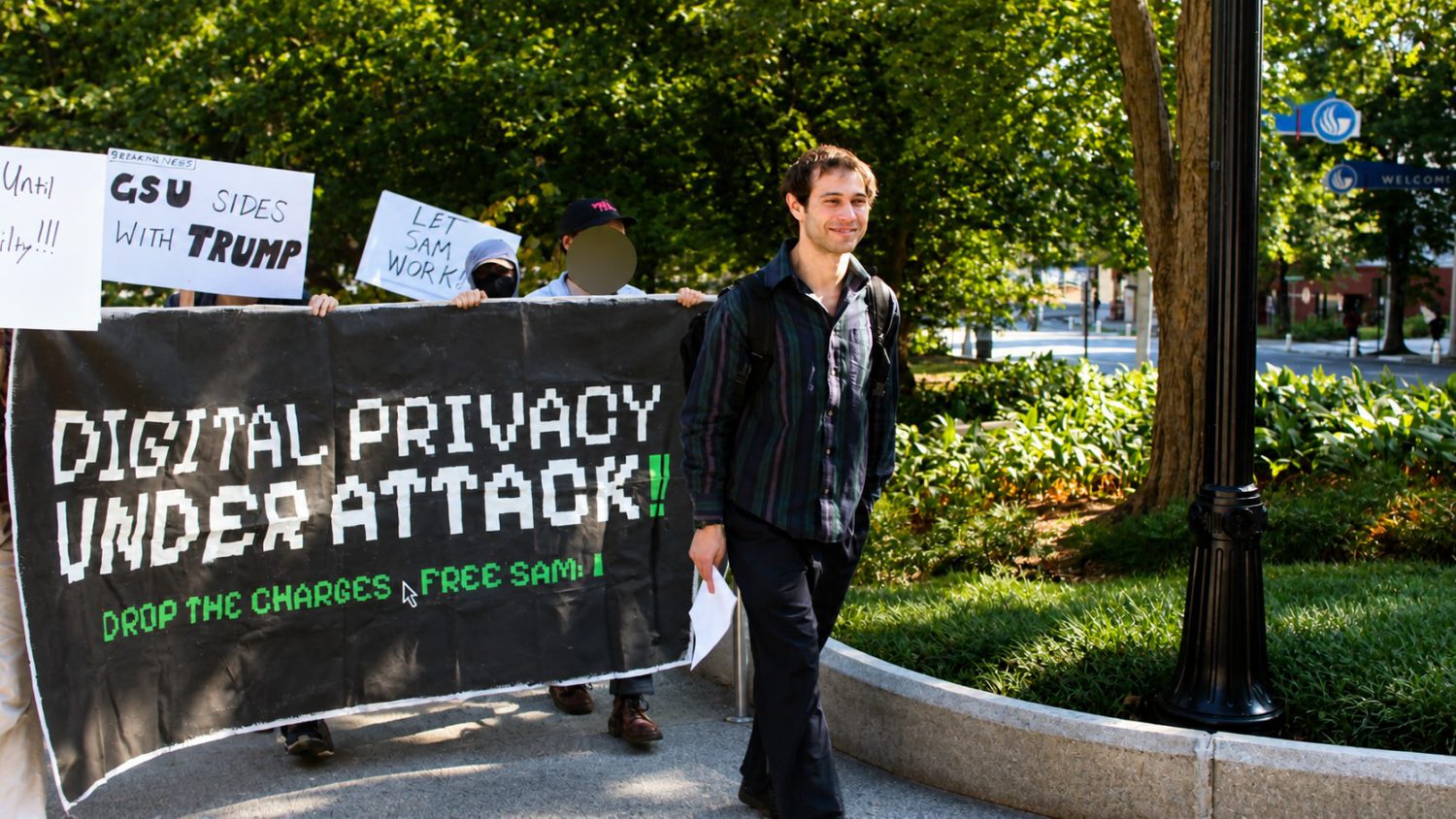
At Atlanta’s Hartsfield-Jackson airport in January 2025, a Customs and Border Protection agent entered a passcode into Samuel Tunick’s Google Pixel. The screen went blank, flashed, and restarted. The phone’s data was gone — every file, every contact, every eSIM. Tunick, a Stop Cop City activist returning to the U.S., had allegedly handed over a duress PIN. Now he faces federal charges for it.
How a Duress PIN Works: The Digital Dead Man’s Switch
GrapheneOS’s duress password is designed to look like a normal unlock — until it isn’t.
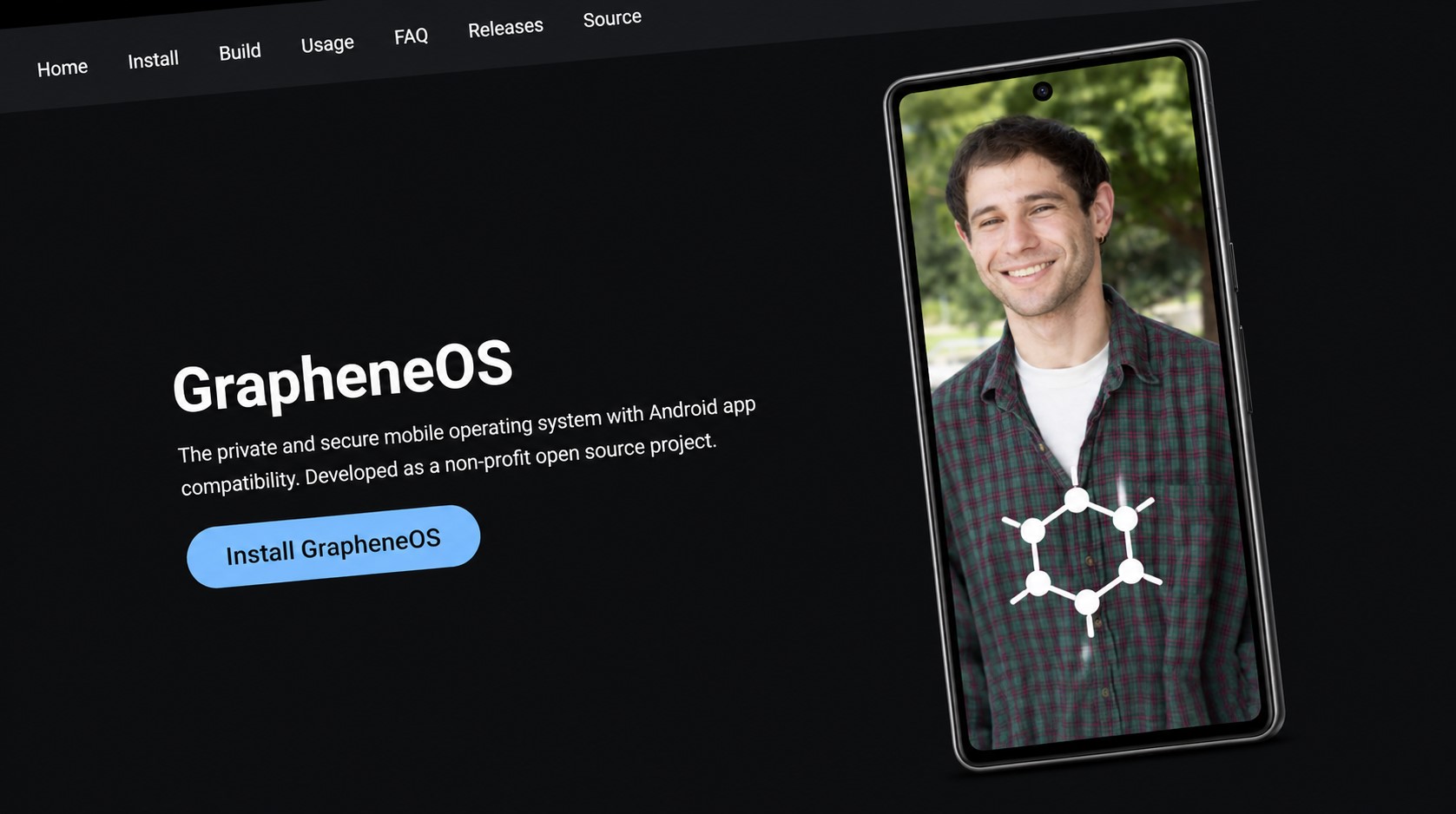
GrapheneOS, the privacy-hardened operating system Tunick’s phone reportedly ran, offers a feature that functions like a silent kill switch built into your lock screen. You set a secondary passcode. Anyone who enters it — at the lock screen or any credential prompt — triggers an irreversible wipe. No confirmation dialog. No countdown timer. The cryptographic keys that protect your data are destroyed alongside the data itself, making recovery effectively impossible, according to GrapheneOS developers. From the outside, it looks like a normal unlock attempt. That’s the point.
Here’s what the case comes down to:
- January 2025: CBP agents demanded Tunick’s phone and passcode at the border; he provided a code that allegedly wiped the device
- Prosecutors charged him under 18 U.S.C. § 2232(a) — a statute designed for physical evidence destruction, like torching a warehouse before a raid
- Tunick’s defense identified only one prior case using this statute in a remotely similar context, involving physical evidence in a drug trafficking matter
- He has pleaded not guilty; the case remains ongoing as of July 2026
What a Conviction Would Mean for Your Lock Screen
If the government’s legal theory holds, triggering any auto-wipe feature during a lawful search could become a federal crime.
The government’s theory is blunt: using a duress PIN during a lawful search equals shredding documents when officers arrive with a warrant. Authorities claimed they were searching for child exploitation material, according to some reports — though that claim remains unverified. Tunick’s lawyers counter that the search was unlawful, that he lacked access to counsel, and that prosecutors are stretching an obscure statute to criminalize privacy technology.
“Absent [the DOJ] being able to show… the phone contained information that showed a crime was committed… they’re not going to be able to convict him of this crime,” according to a legal commentator cited in reporting on the case. The evidentiary bar is real: proving the wipe destroyed actual criminal evidence is a different burden than proving the wipe happened.
Privacy law observers have called the prosecution “unprecedented.” No U.S. court has ruled on whether triggering a duress password during a lawful search constitutes unlawful destruction of evidence — which means the outcome here becomes the template.
That ruling is still coming. Anyone who has enabled Android’s factory-reset protection, Signal’s disappearing messages, or a remote-erase feature is now watching this docket. A security setting you configured for protection could, depending on how this case resolves, carry federal criminal liability. The feature hasn’t changed. The legal risk might have. For those secretly tracking users through built-in platform tools, the implications extend well beyond any single prosecution.