When PS2 launched in 2000, it played virtually every PS1 disc you owned — no adapters, no repurchase, just insert and go. That wasn’t a gimmick or a bonus feature. Sony built actual PS1 hardware — the original CPU and sound chip — directly into the PS2, guaranteeing near-universal compatibility. Your PlayStation library was positioned as something permanent, a collection that grew across generations like a vinyl library that plays on every turntable you ever own. Then, according to the official PlayStation Blog, Sony announced in July 2026 that physical disc production for new games ends January 2028. That tension — between a founding philosophy and its quiet burial — is what this is really about.
The Era When Sony Meant It
PS2 and early PS3 treated backwards compatibility as architecture, not afterthought.
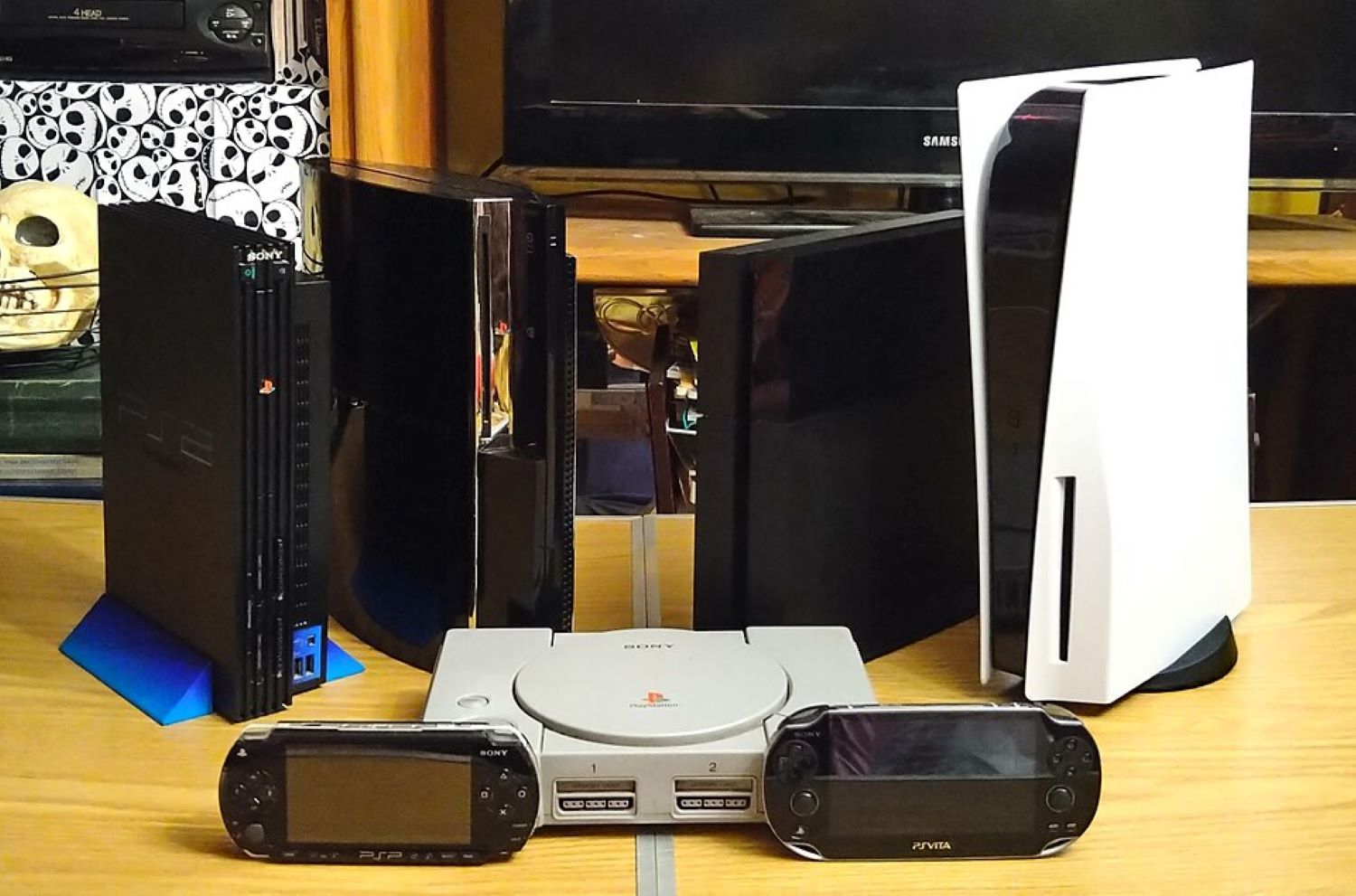
While competitors treated old games as disposable, Sony doubled down. Early PS3 60GB units extended disc support to PS2 titles, giving players access to over a decade of PlayStation releases on one machine. This was the “whenever, wherever, forever” era — a philosophy baked into silicon, not marketing slides. Then cost-cutting arrived.
- PS3 (post-2007 models): PS2 hardware stripped out. PS2 disc support gone. PS1 discs still worked. PS2 games available only as paid digital downloads.
- PS4 (2013): Zero disc-based backwards compatibility for any prior generation. Older titles sold as digital re-releases only.
- PS5 (2020): Over 99% PS4 compatibility. No native support for PS1, PS2, or PS3 discs whatsoever.
- 2028: All new releases go digital-only.
The pattern mirrors a slow ghosting — one missed response at a time, until the relationship is simply gone.
In 2017, then-PlayStation boss Jim Ryan told Time that backwards compatibility was “much requested, but not actually used much,” adding that PS1 and PS2 titles “looked ancient,” according to IGN. That quote aged like a scratched disc.
What You Actually Lose in 2028
The end of discs doesn’t just kill nostalgia — it kills a multi-billion-dollar ownership ecosystem.
Sony’s decision threatens a resale market analysts estimate in the billions, according to CNBC. A $60 disc might sell used for $30–40. A digital purchase? Sunk cost, locked to your PSN account, non-transferable. Experts quoted by GameSpot describe the move as “all about profitability and control.” If you’re wondering whether you’re already paying too much for digital content you don’t truly own, the answer may surprise you.
Should PS6 break architectural compatibility or Sony alter licensing terms, your digital library risks the same fate as PS3 content today: stranded on aging hardware or accessible only through subscription services Sony may or may not choose to maintain.
Physical discs aren’t immortal either — Blu-rays degrade over 10–20 years under normal conditions, according to Game Rant. But they were yours to sell, lend, and shelve. The console that once promised your library lasts forever now sells you a license that lasts until the servers say otherwise. For those curious how entire video games can vanish from history entirely, the precedent is already well established.