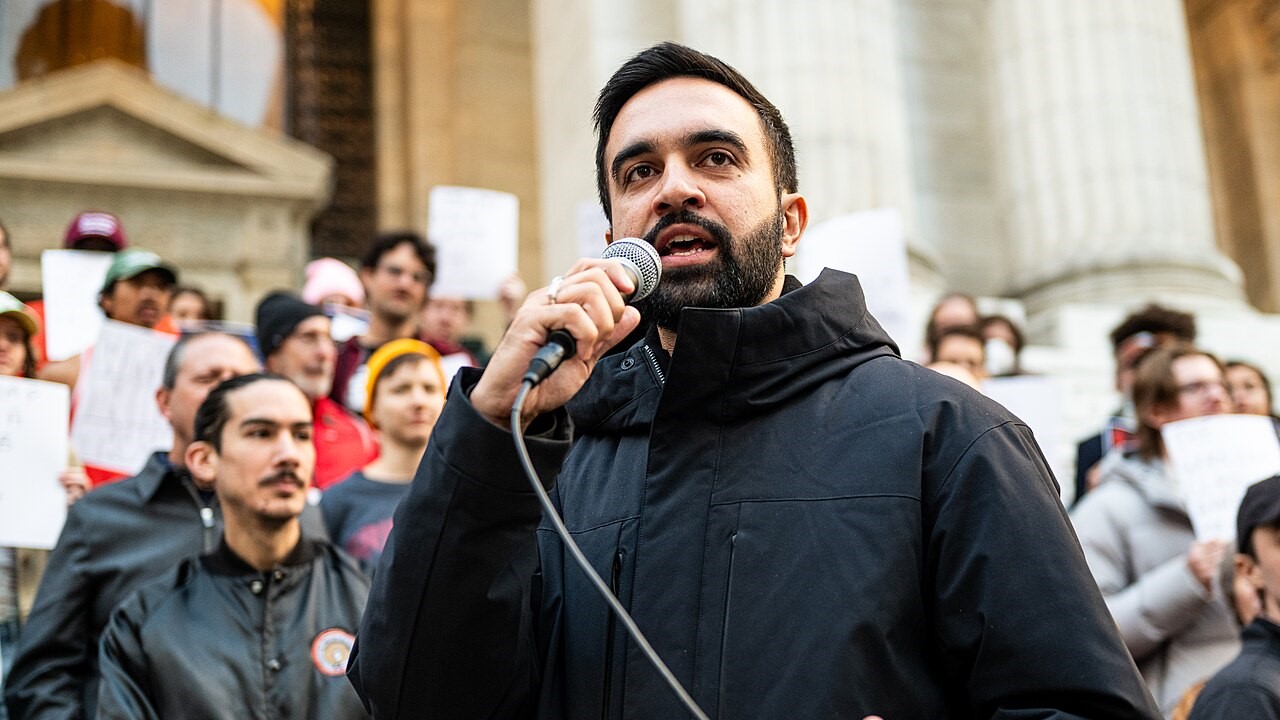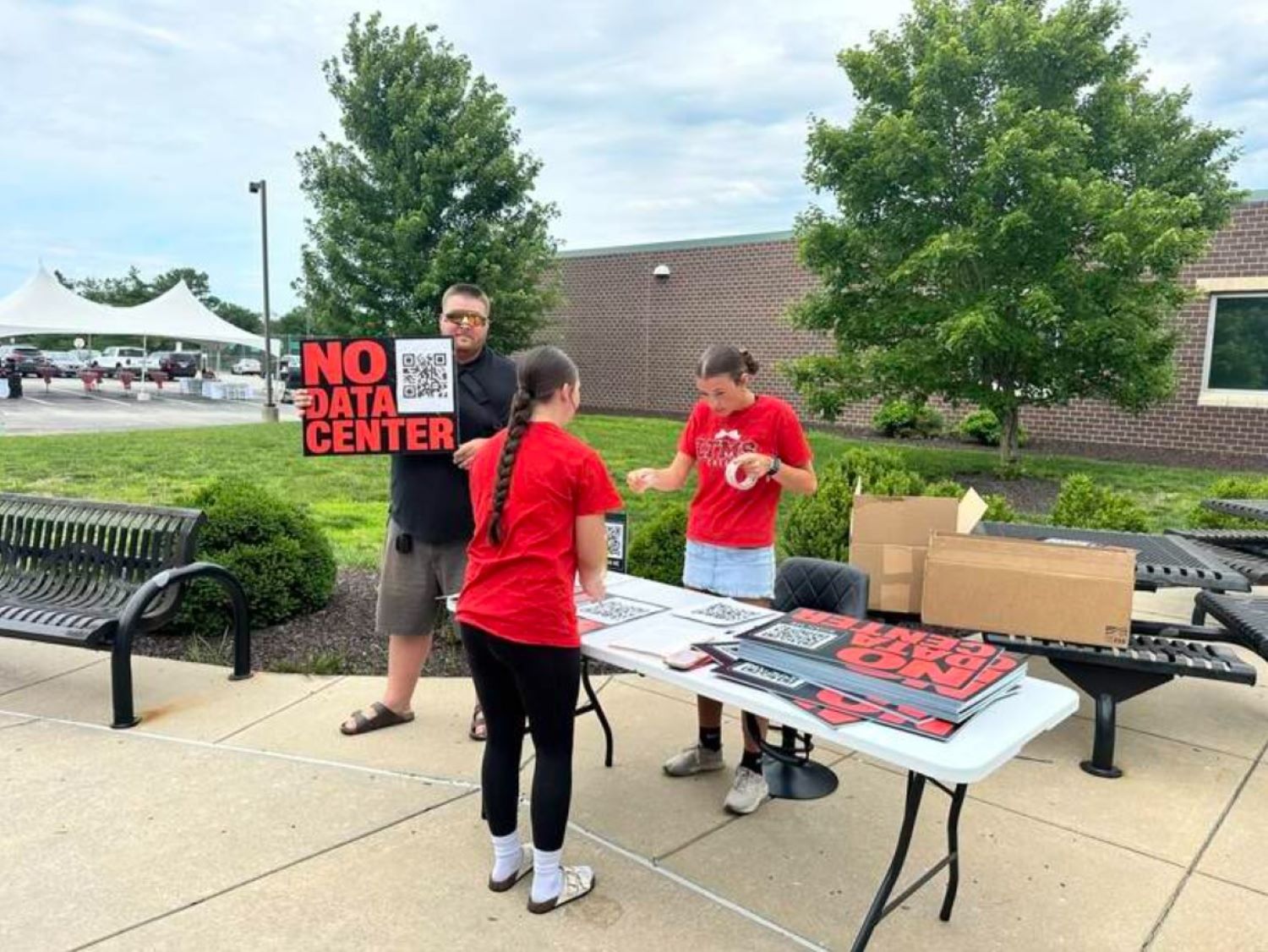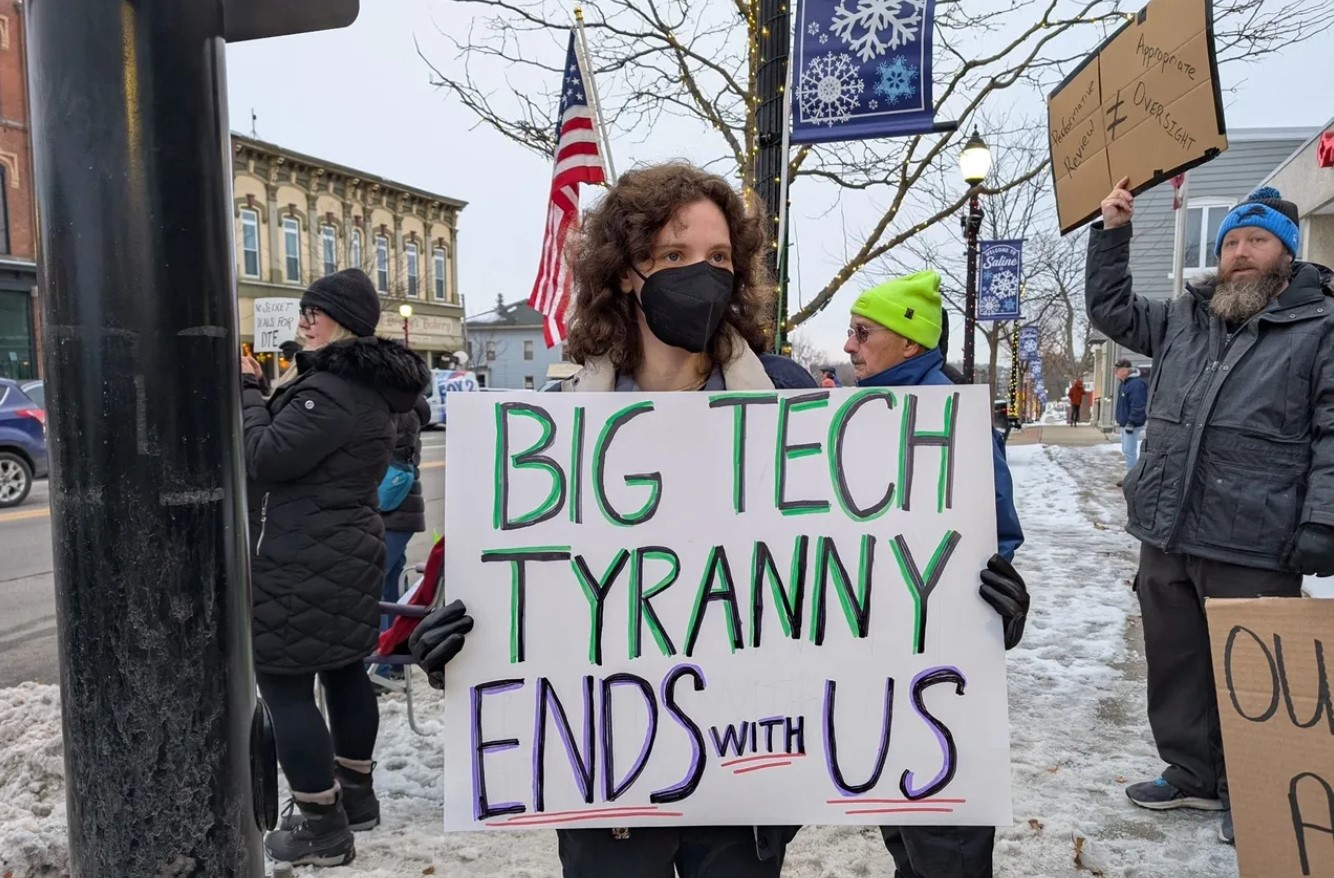
When a public commenter at Upper Merion Township’s July planning meeting asked opponents to stand, virtually the entire auditorium rose. Hundreds of residents, on their feet, staring down a proposal that would plant roughly 4.5 million square feet of AI data center infrastructure across five sites in their suburban Philadelphia community. The complex would demand an estimated 500 to 900 megawatts of electricity — enough to power a small city — making it one of the largest data center developments proposed in the Northeast, according to Business Insider. This is what happens when the invisible engine behind your AI tools tries to move in next door.
Power Plants With Hard Drives
Developer Brian O’Neill’s sprawling campus proposal has united a suburb against industrial-scale AI infrastructure.
Philadelphia developer Brian O’Neill and his firm MLP/MLV Ventures are targeting locations across King of Prussia’s Renaissance Park corridor and nearby industrial roads. The footprint would exceed Philadelphia International Airport. More than 1,000 residents packed a May hearing at Freedom Hall. The July session ran four hours, filled with shouts, boos, and applause. By the end, the Planning Commission declined to recommend approval for the first three sites. Two more face debate in August.
Residents called the facilities “power plants with hard drives,” per NBC Philadelphia. Their fears are grounded in patterns documented at data centers elsewhere:
- constant low-frequency hum from cooling systems
- backup generator emissions
- significant water consumption
- rising utility rates
- grid strain
One parent told Fox 29, “I have a 15-month-old and I don’t want her growing up so close to something we don’t know that much about yet.” Chants at earlier hearings included “we can’t drink data” — a slogan that captures the movement’s skepticism of promised economic benefits.
The meeting’s darkest comedy belonged to the missing PowerPoint. O’Neill’s team reportedly prepared slides with key project details but submitted them roughly ten minutes before the session. The commission refused to display them. Pressed on projected noise levels, O’Neill estimated from memory: about 50 decibels, supposedly equivalent to “a quiet suburb.” A commissioner responded with open sarcasm about the absent slides. Residents accused the developer of withholding honesty and managing the process rather than engaging it.
“At some point, the voice of the community has to hold some weight.” — Courtney Smith, Upper Merion Against Data Centers, via Business Insider
Not Just a Local Problem
A Quinnipiac University poll found 68% of Pennsylvania voters would oppose an AI data center in their community.
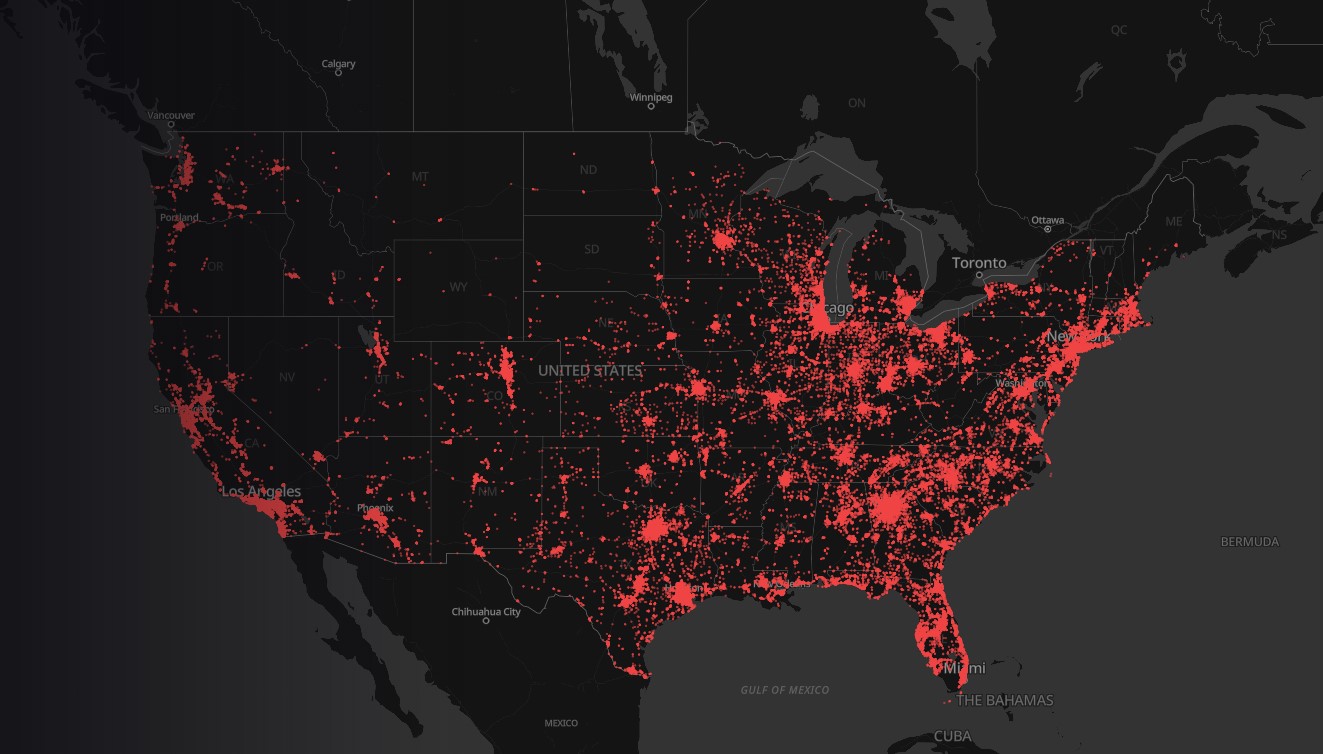
Upper Merion isn’t an outlier. A Quinnipiac University poll found 68% of Pennsylvania voters would oppose an AI data center nearby, per Chestnut Hill Local. Communities nationwide report the same pattern: persistent humming, water scarcity, spiking electric bills. Streaming AI-generated playlists feels effortless — yet somewhere a building larger than an airport hums around the clock to deliver that experience. The frictionless consumer surface of AI runs on very loud, very physical infrastructure.
The Planning Commission’s rejection covers three sites. The Board of Supervisors still holds final authority. Every suburb sitting on a developer’s site map is watching Upper Merion right now — because the next packed auditorium could be theirs.