Renters show up to viewings expecting hardwood floors and natural light, only to find linoleum and a window facing a brick wall. The listing photos looked incredible. The apartment looks like a different dimension.
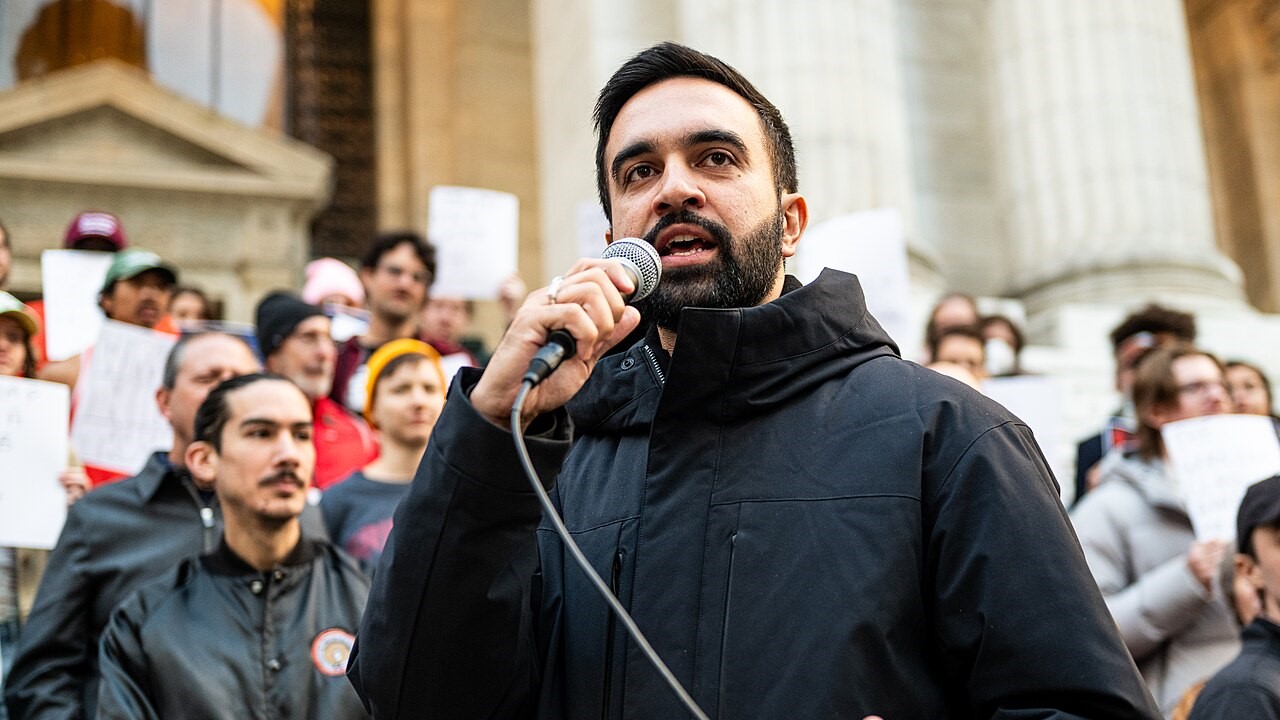
Mayor Zohran Mamdani wants to kill that bait-and-switch. His administration’s Rental Ripoff Report — a 23-point tenant-protection package shaped by testimony from more than 2,400 New Yorkers across all five boroughs — includes a proposal requiring landlords, brokers, and listing platforms to disclose when rental photos or videos have been created or materially altered using AI or digital tools. The Department of Consumer and Worker Protection would handle enforcement.
The broader report also targets complaints tenants raised repeatedly during hearings held between February and April:
- pests
- mold
- leaks
- deceptive fees
- surprise utility bills
But the AI-disclosure rule has drawn the sharpest attention, and for good reason.
“Housefishing” Goes Industrial
What was once a broker with a wide-angle lens has become something far harder to detect.
Deceptive listing photos aren’t new. Brokers have been wide-angling cramped studios since digital cameras existed. What’s changed is scale and sophistication. Generative AI tools now make it trivially easy to add features that don’t exist — smoothing walls, conjuring countertops, manufacturing sunlight. The Atlantic has called it “AI real-estate slop.” Others use the term “housefishing,” which is essentially catfishing but for your next lease.
Justin Brookman of Consumer Reports told Fortune that AI makes it “increasingly possible to do photorealistic images” that “really materially misrepresent what you’re getting.” That risk spikes for renters signing leases sight-unseen — a common reality in a city where apartments vanish faster than concert tickets on a Ticketmaster drop.
Zillow supports clear disclosure and says consumers should be able to compare original and altered versions where possible. The company also acknowledged what many renters already suspect: AI makes manipulated images faster to produce and harder to spot.
NYC Isn’t Alone
New York’s proposal fits a regulatory pattern already taking shape in other states.
- California has already enacted a disclosure law for materially altered real-estate images.
- New Jersey lawmakers are considering similar legislation.
If NYC adopts the proposal, it joins a growing regulatory movement that could pressure national platforms to standardize disclosure labels well beyond city limits.
Mamdani framed the stakes plainly: “It’s called StreetEasy, not StreetHard.”
The rule isn’t law yet. Until disclosure becomes mandatory, treat every listing photo like a Snapchat filter — assume the best version of reality, then verify in person. The apartment you scrutinize might save your sanity.