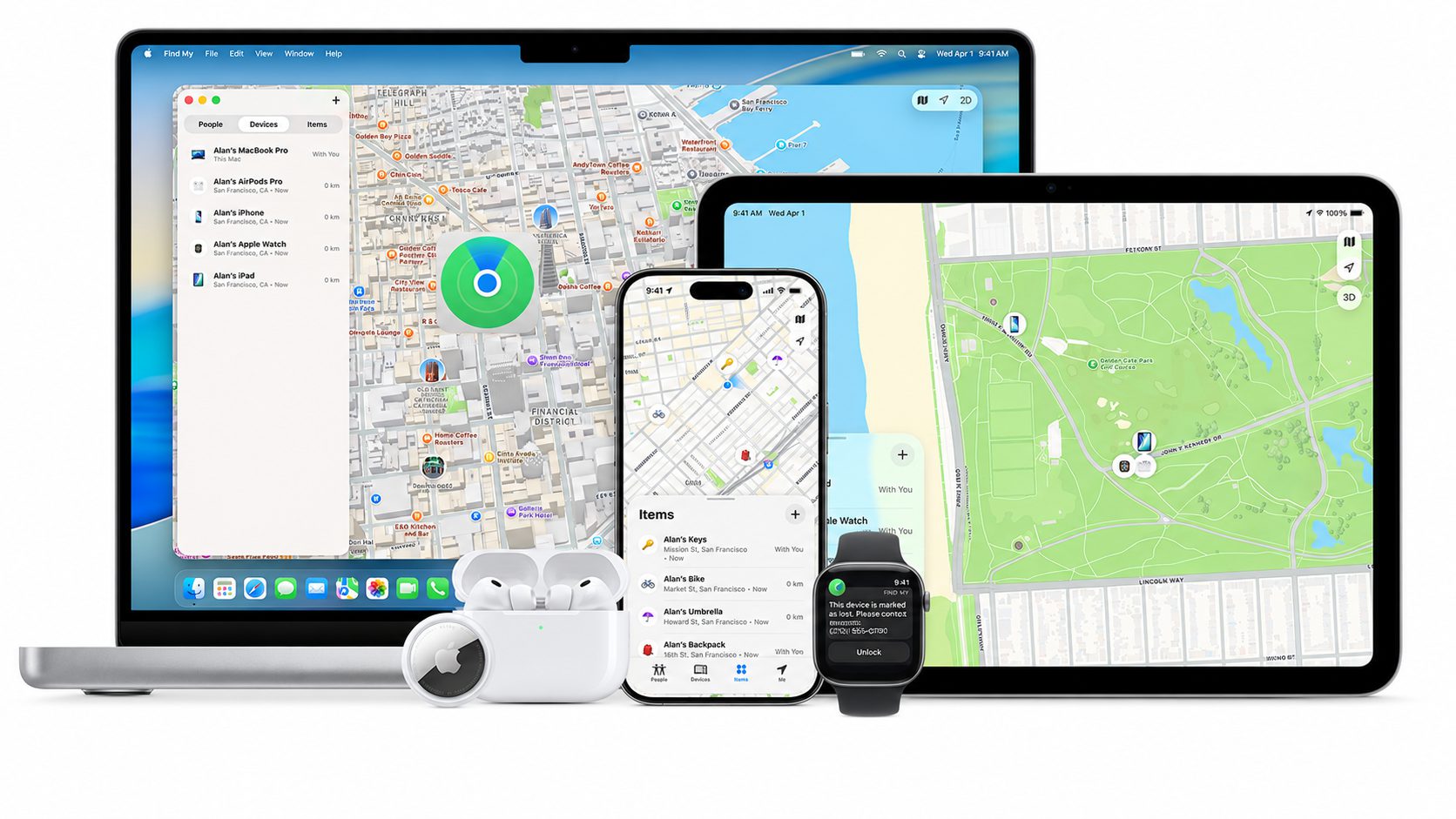
A knock at the door. A stranger outside, phone raised, absolutely certain a stolen iPhone is inside — and Apple’s blue dot agrees with them.
A Reddit user describes exactly this nightmare: over three to four years, at least four or five strangers have shown up at their home, each waving Find My like a search warrant. The poster — one of two women living alone — fears the day someone arrives angry enough to escalate. This isn’t an isolated bug. An Atlanta couple endured the same ordeal from 2013 to 2016, according to the Atlanta Journal-Constitution. In Texas, Scott Schuster has dealt with angry iPhone owners and police since 2018, as reported by Gizmodo. The pattern is the same every time. The cause is too.
How One Address Becomes a Lost-Phone Magnet
A chain of fallback systems — not a single glitch — turns one innocent home into every lost phone’s default destination.
When GPS fails — indoors, dead battery, powered-off device — Find My falls back to Wi-Fi router databases, cell towers, and IP address ranges. All approximate. All pulling from the same third-party mapping providers.
Here’s where it breaks: geolocation databases map router MAC addresses to physical coordinates. If a router is the only well-mapped access point in a sparse area, nearby lost devices get “snapped” to that address. Schuster’s house was reportedly a model home for his subdivision — tagged as the canonical address for the whole development. Every unresolved device in the neighborhood defaulted to his front door. The Atlanta case revealed a “digital desert” effect: thin mapping data forces the system to default to a ZIP code’s geographic center. Which might be someone’s kitchen.
“There are numerous factors that can misplace devices,” forensics expert Jonathan Zdziarski told Newsweek, noting that all major tracking apps pull from the same shared Wi-Fi mapping databases — meaning one bad entry misdirects everyone.
Like GPS confidently routing you into a lake, Find My presents its best guess with the visual authority of certainty. Your home becomes the unwilling main character in someone else’s theft story — without ever auditioning for the role. Victims have contacted Apple support repeatedly. Schuster got no fix. The Atlanta couple’s ordeal lasted years. Multiple overlapping systems — Apple Maps, third-party geolocation databases, cellular data, postal mapping — mean no single company fully owns the problem. These are among the most frustrating computer issues precisely because no clear fix exists.
What To Do If This Happens to You
Treat unexpected strangers as a safety situation first, and a tech support problem second.
If strangers keep appearing at your door clutching iPhones:
- Keep the door locked and speak through an intercom if possible.
- Document every incident — dates, doorbell footage, police report numbers.
- Contact Apple Support in writing, referencing the Atlanta and Texas cases to build a paper trail.
- Ask your ISP whether your IP block or router MAC address is mis-listed in a geolocation database.
- Rename your Wi-Fi SSID with “_nomap” appended, as some databases honor this opt-out convention — though results aren’t guaranteed.
For anyone tracking a lost phone: that accuracy circle matters. A wide circle means the device could be anywhere nearby. The person at the door denying your phone is inside might simply be telling the truth. A dot on a screen is a clue, not a conviction. For genuine peace of mind, consider investing in a proper home security system that keeps your household safe regardless of what any app’s blue dot claims.