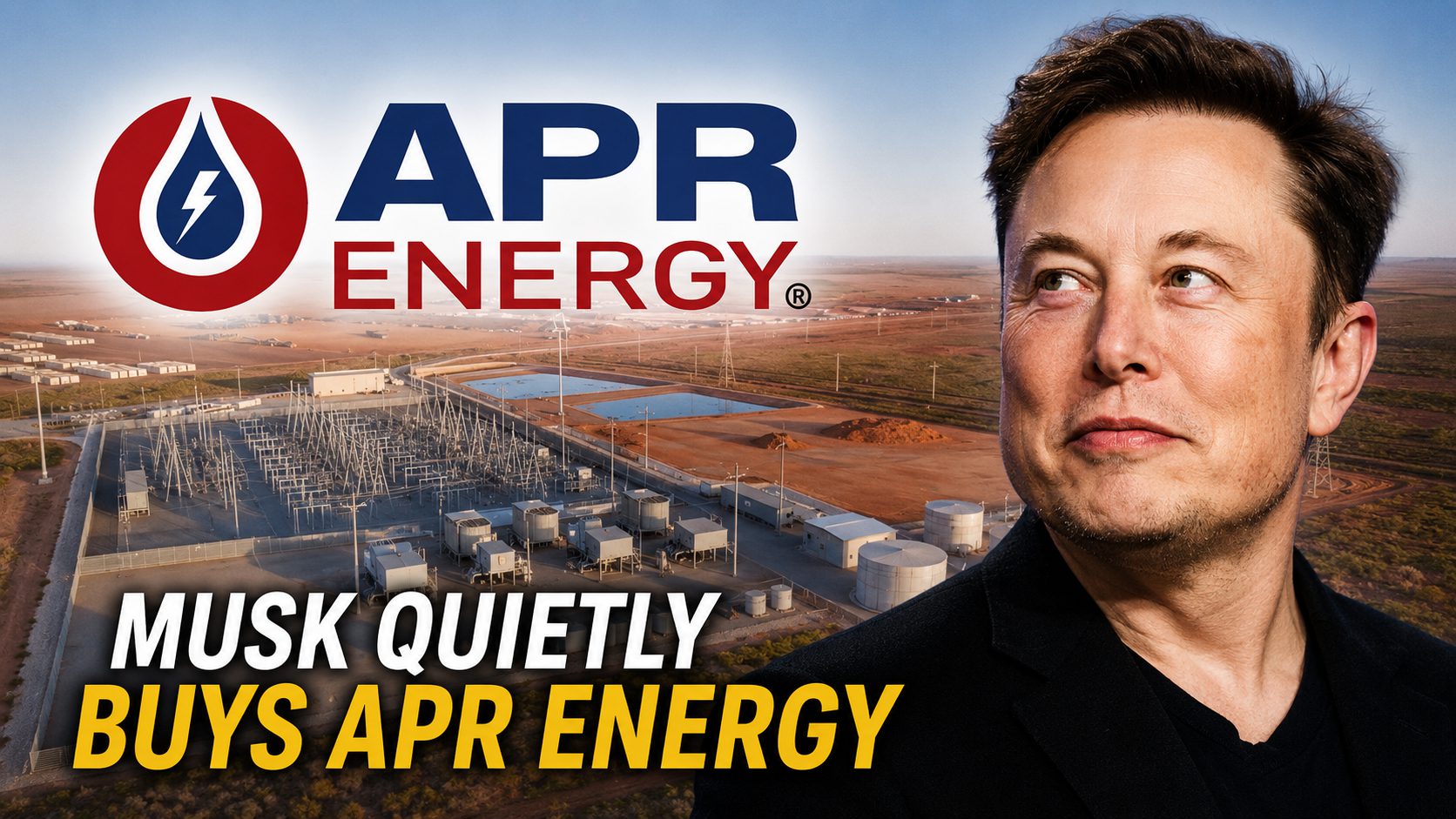
No press release. No tweet. Not even a cryptic post. An FTC filing dated May 14, 2026, revealed that Elon Musk reportedly acquired APR Energy, a company that deploys mobile gas turbines and diesel generators for large-scale power needs. A separate SEC disclosure from Duos Technologies, which sold its 5% stake for roughly $50.4 million, implies the deal valued APR at north of $1 billion. The strategic logic is blunt: AI compute devours electricity, and the grid moves at the speed of bureaucracy — a race already underscored by the Stargate Project.
The Quiet Billion-Dollar Move
APR Energy’s modular generators already power one of the world’s largest AI data centers.
APR Energy specializes in rapidly deployable mobile generation — gas turbines and engine-based systems that can come online in weeks, not years. According to APR Energy’s own January 2026 fleet-expansion announcement, the company’s capacity now exceeds 1.1 gigawatts, up from 850 megawatts. Its marketing materials target hyperscalers, data center developers, and AI infrastructure firms, with systems engineered to handle high-density GPUs and advanced cooling.
Key deal details from public filings:
- FTC early-termination filing, May 14, 2026 — no further antitrust review required
- Musk named as acquiring party; New APR Energy LLC listed as the acquired entity
- Duos Technologies disclosed approximately $50.4 million for its 5% stake, implying a valuation above $1 billion
- APR capacity stands at 1.1 gigawatts and growing
- No public statement from Musk, xAI, or APR at time of disclosure
Traditional power infrastructure takes years to build. Mobile generation deploys fast, modular, and ready on demand — the kind of speed that matters more than permanence when you’re racing to expand a compute footprint. APR’s public materials describe custom power plants built specifically for AI workloads, engineered for the exact environment xAI is scaling into.
Speed Has a Carbon Price
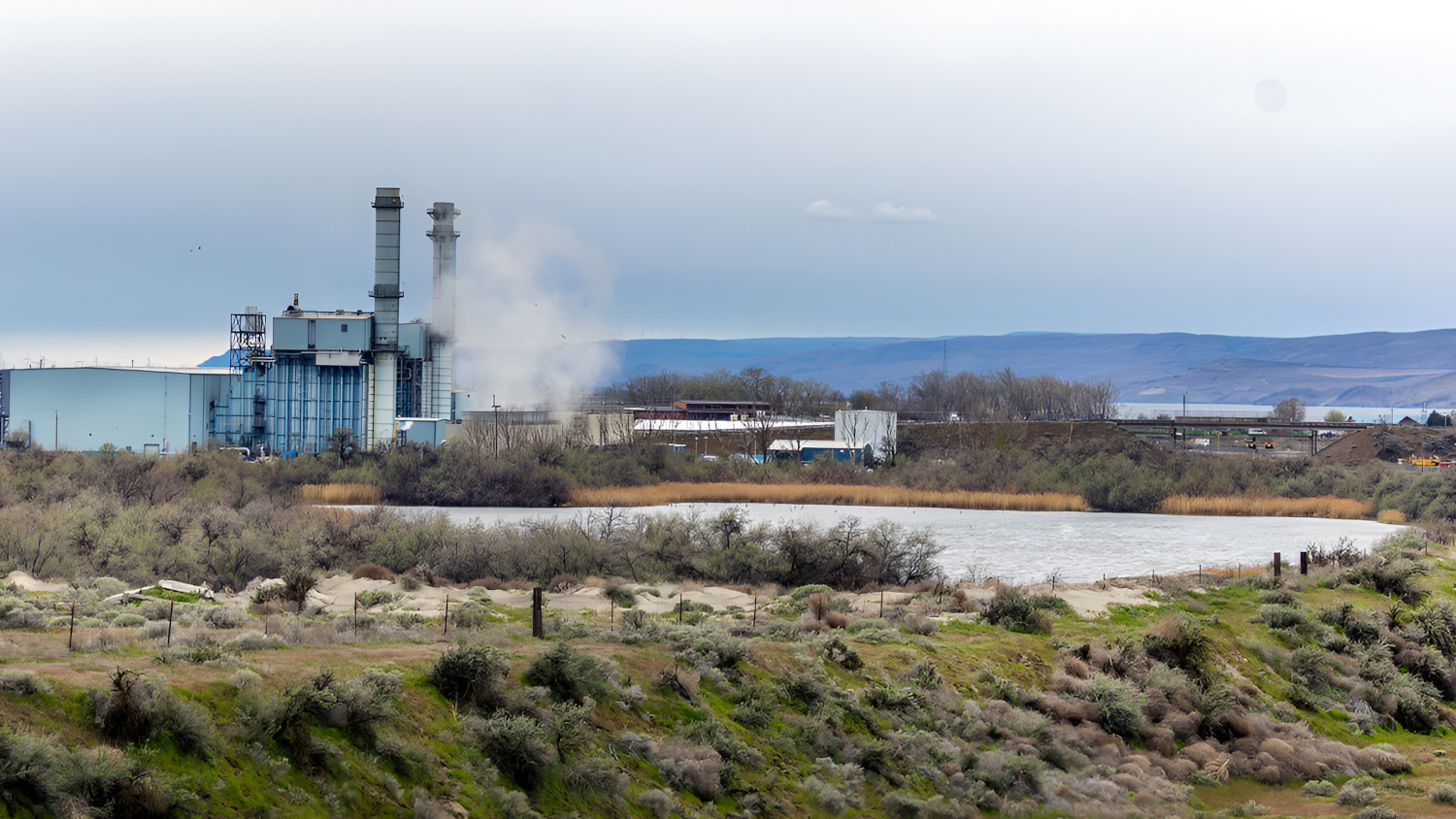
APR’s fleet runs on natural gas and diesel, complicating Musk’s clean-energy narrative.
Here’s the uncomfortable part. APR’s generators burn fossil fuels, deepening AI’s carbon footprint at the exact moment scrutiny around data center emissions is intensifying — a debate familiar to anyone who has weighed the cost of gas vs diesel against cleaner alternatives. That tension sits awkwardly alongside Tesla’s Megapack business, which sells grid-scale battery storage. Owning both mobile fossil generation and large-format battery storage means Musk is building both sides of the energy stack simultaneously — a hedging strategy that would make any portfolio manager nod approvingly, even if it frustrates clean-energy advocates.
The real signal cuts deeper than one deal. AI’s bottleneck has shifted. The chip shortage era taught the industry that supply chains break under pressure. Now electricity is the constraint, and major players are done waiting for utilities to catch up. They’re buying the power plant instead.