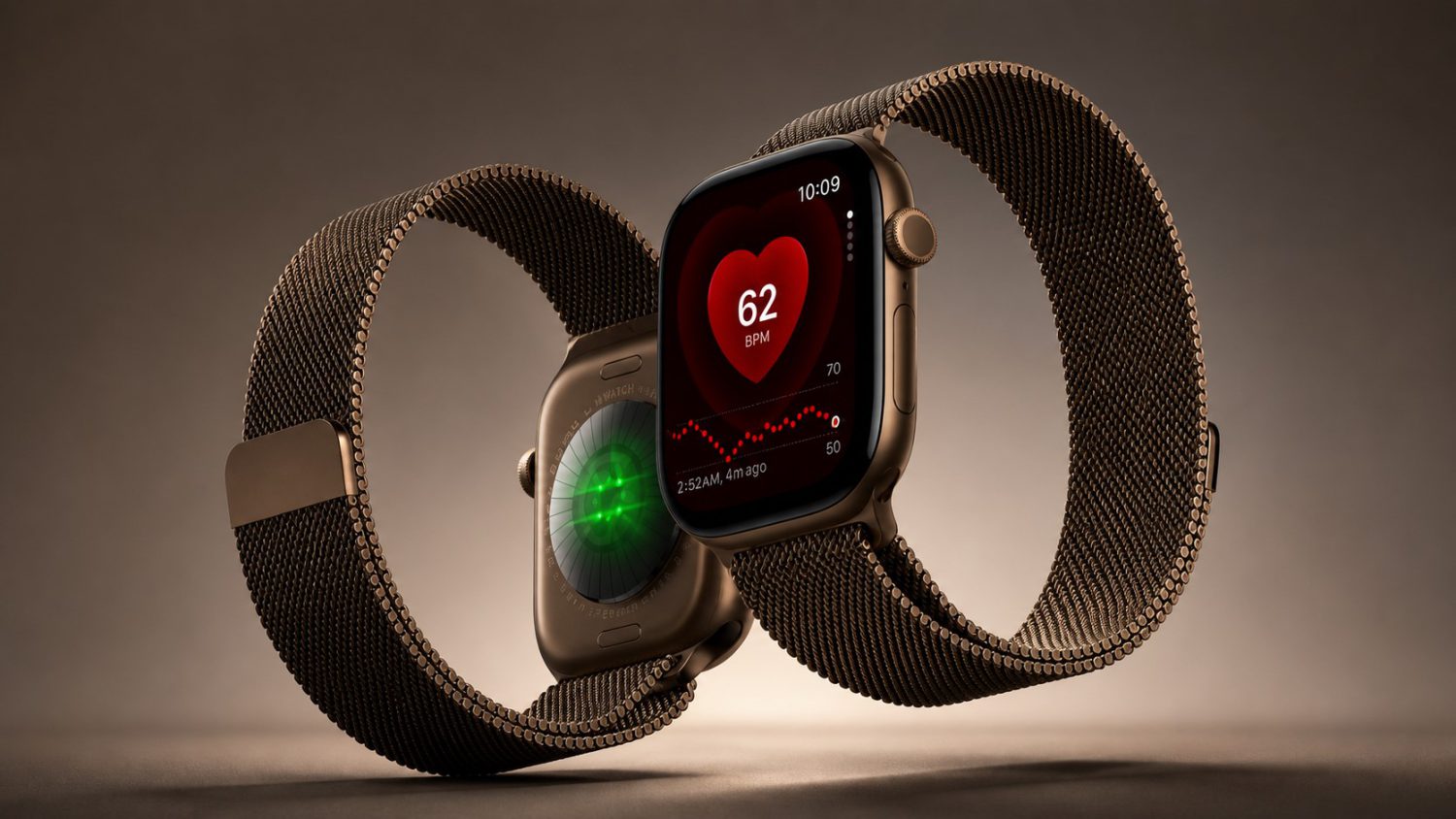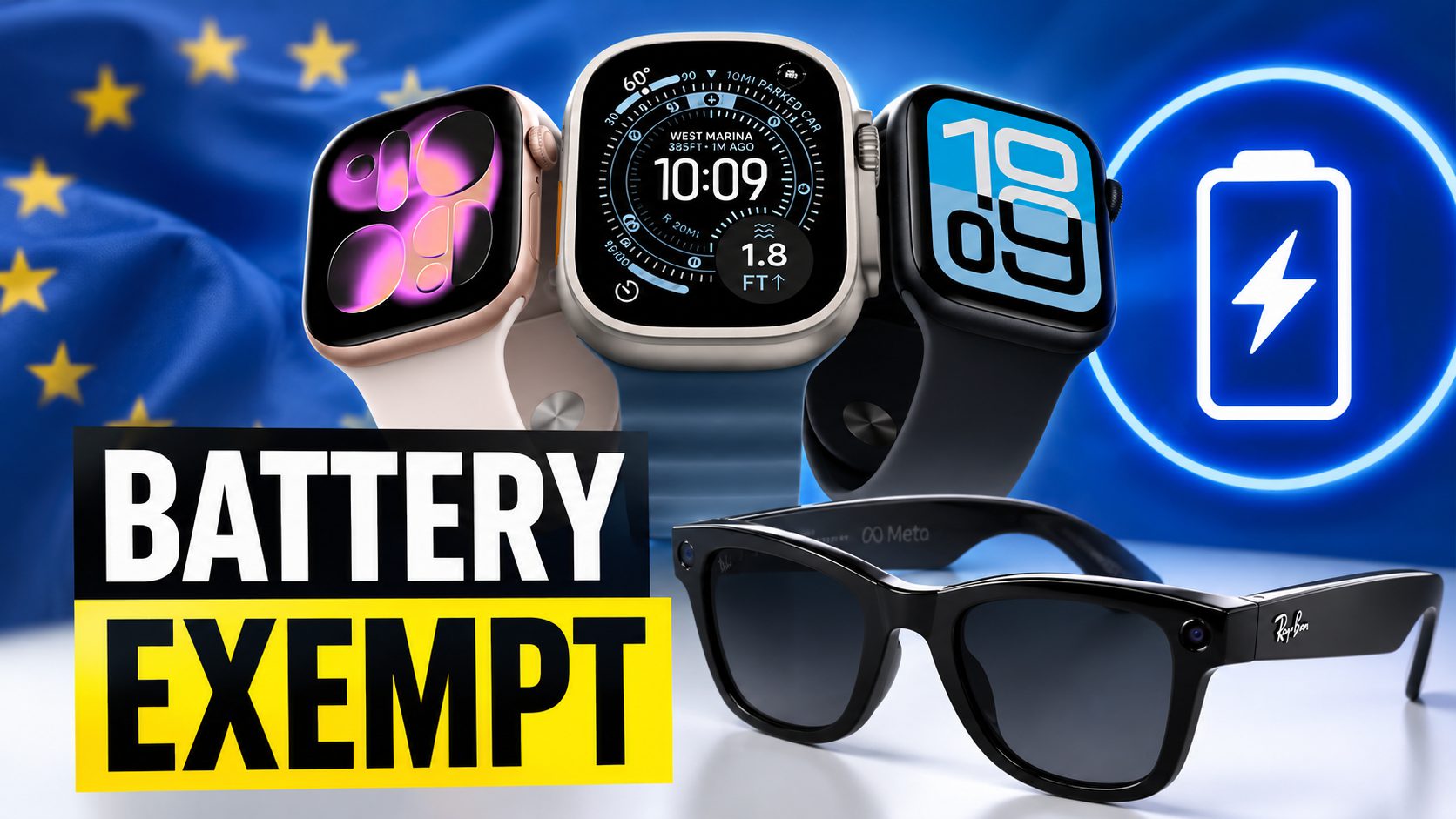
The EU spent three years building a regulation that would let you pop the battery out of your gadgets like it was 2005 and you were swapping cells in a Nokia brick. Then the exceptions list got interesting. The European Commission has formally exempted smartwatches, fitness trackers, smart glasses, and wireless earbuds from Article 11 of the EU Battery Regulation — the mandate requiring user-replaceable batteries starting February 18, 2027. Apple Watch, AirPods, and Meta’s smart glasses are the headline beneficiaries. Your sealed wearables aren’t going anywhere.
The 2027 Rule That Was Supposed to Change Everything
Article 11 set a clear demand for user-accessible batteries across most portable electronics — and it meant business.
Article 11 of EU Battery Regulation 2023/1542 laid down a firm requirement: portable batteries in consumer electronics must be removable by ordinary users with standard, commercially available tools. No heat guns. No proprietary screwdrivers. No solvents. Manufacturers would also need to stock spare batteries for five years after the last unit sold. The intent was genuine — reduce e-waste, extend device lifespans, advance the circular economy. Phones, tablets, laptops, and small electronics were all in scope. The timeline was real and the ambition was significant.
Then a delegated act landed in mid-2026, adding six new exempt product categories. Here is what that means in practice:
- Smartwatches, fitness trackers, smart glasses, and wireless earbuds can keep sealed battery designs in the EU
- The Commission cited safety, waterproofing, and miniaturization as core justifications
- Devices too small for safe end-user battery access qualify for full exemption
- Battery replacement for exempt wearables shifts to independent professionals — not DIY
- The exemption cleared the regulatory obstacle that had stalled Meta’s smart glasses EU launch over its non-removable battery design
The Commission attributes the decision to consumer safety findings and technical limits surfaced during public consultation. Critics point somewhere else entirely. Reporting from the Irish Times documented heavy lobbying from US officials and major tech firms pushing for exactly these carve-outs. Both narratives hold weight simultaneously — not unlike the way streaming platforms rewrote content distribution rules once they grew large enough to shape the conversation. Repair advocacy organizations warn that each exemption for popular consumer gadgets risks undermining the regulation’s long-term universality, according to analysis published by repair.eu.
Your Phone Isn’t Getting Off This Easy
The default rule remains firmly in place for most consumer electronics, including smartphones and tablets.
Most portable devices still face the full Article 11 requirement. Smartphones and tablets need user-replaceable batteries unless they satisfy both IP67 waterproofing and roughly 80% battery capacity retention after 1,000 charge cycles. That is a steep threshold. Technical compliance firms describe the wearable exemption as a pragmatic response to “product miniaturisation and integrated design trends,” per industry analysis from huak-cer.com. Mid-range phones and laptops that fall short of those benchmarks will need meaningful redesigns before 2027. Europe Restricts major US tech platforms in other regulatory domains as well, underscoring a broader pattern of the EU shaping digital product rules for American companies.
Your Apple Watch stays sleek and water-resistant. But when that battery fades in a few years, you are booking a service appointment — not reaching for a screwdriver. The EU’s sustainability ambition is real. So is its flexibility when the right names appear on the exemption list.