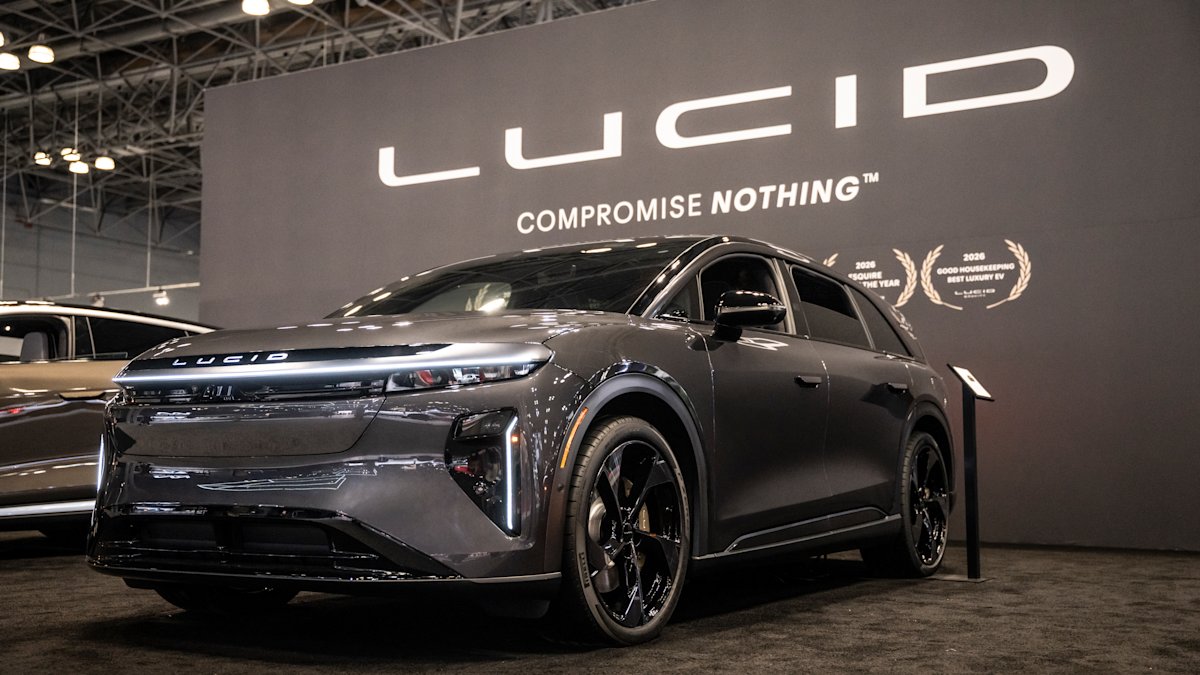
In late 2021, Lucid Motors was worth nearly $90 billion—briefly surpassing Ford, according to Times of India reporting. Today, the company trades at a market cap in the low single-digit billions. And it just hired AlixPartners, the advisory firm best known for steering General Motors through Chapter 11 in 2009, along with Kmart and Enron. Lucid says AlixPartners is there to “improve execution and operations,” according to statements reported by WKZO. Markets responded by torching the stock more than 50% in a single session, raising questions for anyone evaluating the cost of going electric.
Signal vs. Spin
The confirmed facts and Lucid’s official denials tell two very different stories.
What the record shows:
- Lucid acknowledged AlixPartners’ engagement but described the mandate as operational efficiency, not bankruptcy planning.
- Chief communications officer Nick Twork called bankruptcy and take-private rumors “completely false,” according to TeslaNorth reporting from July 14, 2026.
- Lucid claims sufficient liquidity “well into next year,” and states that no special board committee has been formed to explore restructuring scenarios.
- AlixPartners’ own website lists end-to-end bankruptcy and insolvency case management as a core service.
- Securities class-action lawsuits alleging misrepresentations about vehicle quality are also pending, according to TradersUnion—a pattern of legal risk also seen in the broader EV sector, as with Tesla Under Investigation for regulatory violations.
Hiring a restructuring adviser doesn’t automatically mean bankruptcy. Companies bring in firms like this for pre-emptive cost surgery all the time. But there’s a difference between calling a plumber and calling a crime scene cleanup crew—even if you insist the house is fine, the neighbors notice the van. AlixPartners built its reputation on Enron, Kmart, and a General Motors that no longer exists in its original form. That résumé sends a signal markets can’t ignore, regardless of what Lucid puts in a press statement.
What This Means If You Own a Lucid – or Are Thinking About It
The stakes for current owners and prospective buyers are more concrete than most financial headlines suggest.
Fisker filed for Chapter 11 in 2024. Lordstown collapsed in 2023. Both cases left owners scrambling for warranty coverage, software updates, and replacement parts. No filing has occurred at Lucid. But the situation deserves clear eyes.
One financial model puts Lucid’s probability of bankruptcy above 80%, according to analysis citing Macroaxis data. Macroaxis uses a quantitative financial-distress model; that figure reflects algorithmic scoring, not analyst consensus—worth keeping in mind before treating it as a verdict.
Lucid’s finance leadership has pushed back, arguing that PIF‘s backing effectively mitigates near-term insolvency risk. “Bankruptcy is not on the table” as long as Saudi support holds, according to the same vision2030.ai analysis. That backing is real. Saudi Arabia’s Public Investment Fund has invested roughly $9.5 billion into Lucid and holds approximately 58–60% of shares—nearly four times the company’s current equity value. That’s the lifeline. But PIF is a sovereign wealth fund executing a geopolitical technology bet under Vision 2030, not a patient venture fund with unlimited appetite. The question isn’t whether Lucid has a backer. It’s how long that backer tolerates writing checks for a factory running far below capacity.
Lucid has outlasted Fisker and Lordstown precisely because of those Saudi checks. That distinction matters. But if you’re shopping for a Lucid Air or holding the stock, the AlixPartners hire isn’t background noise—and savvy buyers know to watch for hidden costs, much like the fuel filter upsells dealers push that most cars don’t need. It’s the loudest signal in the room.